










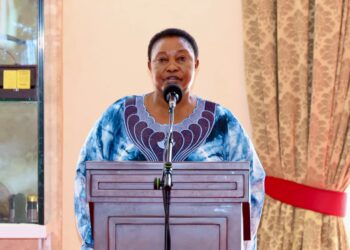
MUNYONYO: The Minister for the Presidency, Milly Babirye Babalanda, has urged leaders under the Governance and Security Programme (GSP) to prepare realistic, properly costed and results-oriented budget proposals aligned with the Fourth National Development Plan (NDP IV) and the government’s Tenfold Growth Strategy.
Babalanda made the call on Tuesday while opening a meeting of the Steering and Political Leadership Committee at Speke Resort Munyonyo in Kampala to review budget priorities and prepare the Budget Framework Paper for the 2027/2028 financial year.

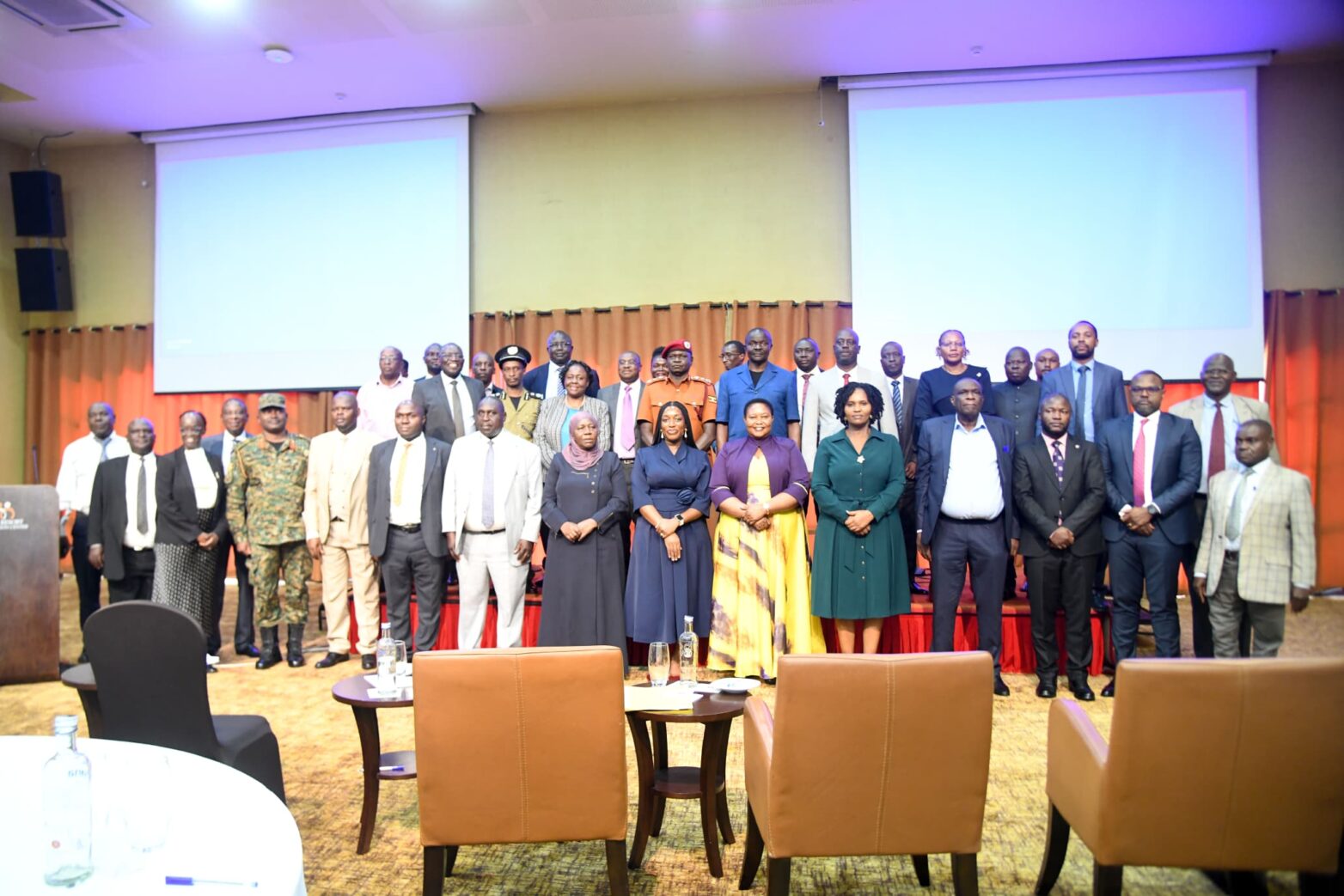
The meeting brought together ministers, permanent secretaries, accounting officers and heads of ministries, departments and agencies (MDAs) under the programme.
Babalanda congratulated fellow ministers on their appointments and reappointments for the 2026 to 2031 National Resistance Movement (NRM) government term, saying the decisions reflected the confidence placed in them by President Yoweri Museveni and the people of Uganda.
She urged the leaders to serve with renewed commitment, patriotism and integrity, while commending permanent secretaries, accounting officers and technical teams for their efforts in implementing government policies and programmes.
The minister said the budget preparation process was both timely and strategic, following the issuance of the First Budget Call Circular by the Ministry of Finance, Planning and Economic Development.
She reminded participants that the process is guided by Article 155 (1) and (2) of the Constitution and Section 12 (1) to (3) of the Public Finance Management Act, Cap. 171.
Babalanda said the approved draft budget estimates must be submitted to the Ministry of Finance by Thursday, October 15, 2026, urging political and technical leaders to treat the deadline as a priority.
“I call upon all political and technical leaders to treat this deadline with the urgency it deserves,” she said.
She said political leaders should provide clear policy direction reflecting the aspirations of Ugandans, while accounting officers and technical teams must translate those priorities into technically sound, properly costed and implementable plans backed by clear accountability mechanisms.
Babalanda also urged MDAs to embrace programme-based planning and budgeting, which requires institutions to work together towards shared national outcomes rather than pursuing individual priorities in isolation.
“Our focus should not simply be on how much money each institution receives, but on the results we collectively deliver and the difference our interventions make in the lives of Ugandans,” she said.
She noted that governance, peace, security, the rule of law, accountability and the fight against corruption are interconnected objectives that require coordinated efforts across government institutions.
The minister called for stronger inter-agency coordination, harmonised priorities and regular meetings of the Political Leadership Committee, supported by effective technical engagements.
Babalanda said the Governance and Security Programme must align its budget priorities with NDP IV and the Tenfold Growth Strategy, which seeks to grow Uganda’s gross domestic product from $50 billion to $500 billion over 15 years.
She noted that achieving the target would require investment in productive sectors, alongside a peaceful and secure country, effective institutions, predictable enforcement of the law, efficient public administration and accountable leadership.
She challenged programme leaders to ensure that their budget proposals clearly demonstrate how public resources would contribute to these objectives and support the Programme Implementation Action Plans across all 18 NDP IV programmes.
The review of draft ministerial and agency budget estimates was guided by the NDP IV Coordination Guidelines, 2025, issued by Prime Minister Robinah Nabbanja. The guidelines emphasise coordination at technical working group, steering committee and political leadership levels.
Babalanda further emphasised that the fight against corruption must remain central to government operations, warning that the vice diverts public resources, undermines public trust and weakens institutions.
“We must demonstrate zero tolerance for corruption by strengthening preventive controls, upholding ethical standards, promoting transparency in public procurement and expenditure, and addressing misconduct through established legal mechanisms,” she said.
She said the meeting came at a time when Museveni had intensified calls for reduced government expenditure, improved efficiency and the elimination of waste.
Babalanda pointed to the President’s stance against corruption and efforts to scale down national ceremonies, including the recently concluded Independence Day celebrations, as part of the broader drive to promote prudent use of public resources.
She said government institutions must also improve service delivery through continuous monitoring and closer supervision of programmes.
“I urge all of us to become field-based leaders who regularly engage with realities on the ground, monitor programme implementation and ensure Government interventions like PDM, Emyooga and the 4-Acre Model deliver intended results. We must not remain in our offices while implementation challenges persist in the field,” she said.
The minister urged leaders to remain vigilant, proactive and focused on measurable results, saying there was no room for complacency in implementing government programmes.
In her closing remarks, Babalanda thanked participants for their contributions and commitment to improving the performance of the Governance and Security Programme.
She called on the participating institutions to implement the agreed actions, align their budget priorities with national development objectives and complete the preparation process within the stipulated timelines.
“Let us leave with a renewed sense of duty, unity of purpose and determination to deliver on our mandates. The success of the Governance and Security Programme depends on our collective commitment and willingness to turn resolutions into tangible results,” she said.
Babalanda expressed confidence that closer collaboration, purposeful leadership and adherence to the President’s guidance would enable the programme to contribute meaningfully to NDP IV, the Tenfold Growth Strategy and Uganda’s broader development agenda.







 English