















Parliament has questioned a proposal to inject an additional US$434 million, approximately Shs1.7 trillion, into Dei BioPharma, demanding that the government first resolve concerns over ownership, company valuation, contractual arrangements and accountability for the Shs723.4 billion already invested.
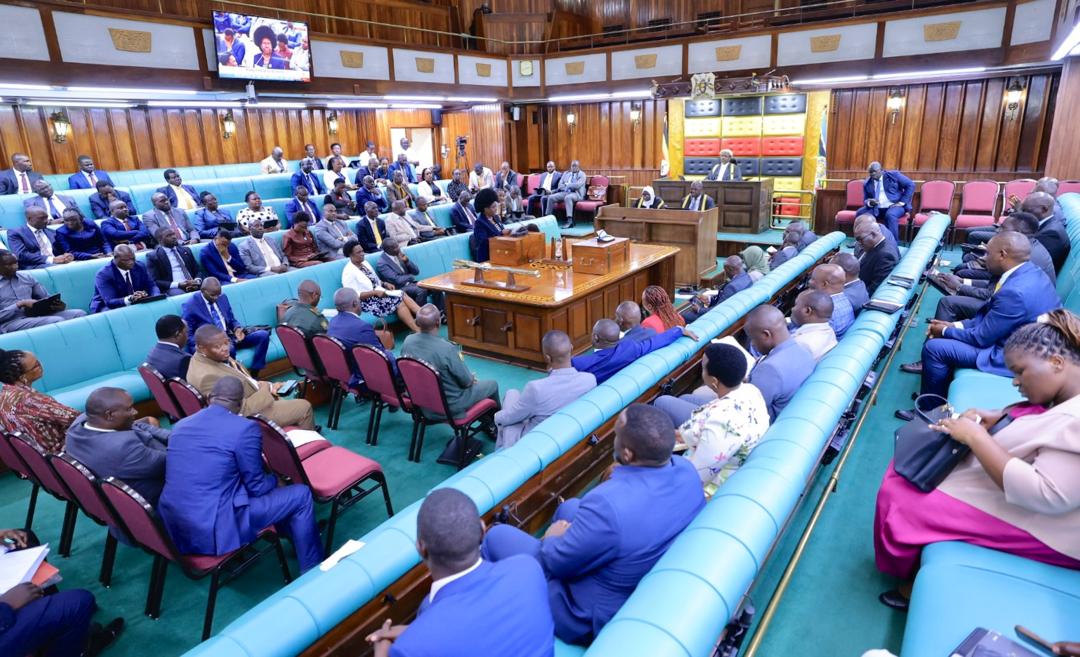
The concerns emerged during debate on the report of the Presidential Affairs Committee on selected science, technology and innovation projects. The debate was chaired by Deputy Speaker Thomas Tayebwa.
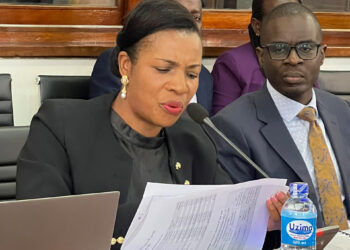
The committee, led by Bardege Layibi Division MP Martin Ojara Mapenduzi, recommended additional funding to enable Dei BioPharma to complete and fully operationalise its pharmaceutical manufacturing facility in Matugga, Wakiso District.
However, MPs questioned whether Parliament should approve more public money before the government establishes the legal and financial basis of its existing investment.
Tayebwa cautioned against committing additional funds while critical processes surrounding the government’s investment remained unresolved.
The committee reported that government has so far invested Shs723.4 billion in Dei BioPharma. The money includes Shs70 billion provided in the 2023/24 financial year, Shs75 billion added in December 2023 and Shs578.4 billion allocated through a supplementary budget in the 2024/25 financial year.
Despite the investment, the committee said it was not presented with documentary evidence confirming the government’s reported 9.4 percent shareholding in the company.
Mapenduzi said the government must obtain clear documentation showing its shares, expected returns, project deliverables and measurable performance targets in relation to the public funds committed.
Leader of the Opposition Joel Ssenyonyi questioned why Parliament should approve another substantial allocation when the government had not provided evidence of its existing ownership stake.
He also raised concerns about a separate recommendation for US$250 million, approximately Shs1 trillion, for Inspire Africa Coffee, arguing that contractual and financing arrangements should be scrutinised before further public resources are committed.
Ssenyonyi called for a value for money audit of funds already invested in such projects before Parliament considers additional financing.
He further questioned the government’s approach to supporting selected private companies, arguing that other businesses facing financial difficulties do not receive similar assistance.
Buzaaya County MP Martin Kasule Mugabi also questioned the investment structure, particularly situations where government contributes significantly more money than private investors but receives a relatively small equity stake.
Budadiri County East MP Julius Nakiyi called for a fresh valuation of Dei BioPharma.
Nakiyi argued that if the government’s Shs723 billion investment represents a 9.4 percent stake, the implied value of the company would be about Shs7.7 trillion. He said Parliament should establish whether that valuation accurately reflects the respective contributions of government and private shareholders.
The concerns are also consistent with earlier findings by the Auditor General, who reported that there was no valuation report to establish Dei BioPharma’s net worth, no shareholder agreement was provided for review and the government had not received share certificates.
Patrick Oshabe Nsamba, chairperson of the Public Accounts Committee, broadened the debate to government financing of private enterprises. He warned that continued reliance on public funds to finance selected businesses could disadvantage companies that raise their own capital.
He also cautioned parliamentary committees against becoming advocates for private companies instead of maintaining their oversight role.
Despite the concerns, the Presidential Affairs Committee maintained that Dei BioPharma is a strategic investment with potential benefits for Uganda’s pharmaceutical sector and public health.
The 150 acre facility at Matugga is designed to manufacture generic medicines, vaccines, injectables, oncology medicines, penicillin and medical devices.
According to the committee, the company produced and distributed six generic medicines during the 2024/25 financial year, including paracetamol, tramadol, metformin, doxycycline and metronidazole. Several specialised production lines, however, are still undergoing installation, validation and commissioning.
The committee said the plant is operating below its intended capacity because of infrastructure and financing gaps and warned that failure to complete the remaining works could leave a major national investment underutilised.
It recommended that the Ministry of Finance provide the additional US$434 million required to complete and operationalise the facility.
The committee said the project has already created more than 1,000 jobs and could provide up to 20,000 employment opportunities once fully operational.
It also called for a reliable electricity supply of up to 100 megawatts and improved water treatment and storage facilities. At full capacity, the plant is expected to require between seven million and 10 million litres of water each day.
The committee argues that completing the facility would help Uganda reduce reliance on imported medicines, strengthen medicine security, increase pharmaceutical exports and create employment.
However, MPs insisted that these potential benefits must be matched with clear evidence showing how the government’s existing investment is protected and what returns the taxpayer can expect.
The debate therefore leaves the proposed Shs1.7 trillion additional financing tied to demands for clearer ownership documentation, a credible valuation, contractual safeguards, measurable performance targets and stronger accountability for the money already committed.
The Auditor General previously raised similar concerns over the government’s investment, including the absence of a valuation report and shareholder agreement.





 English