
















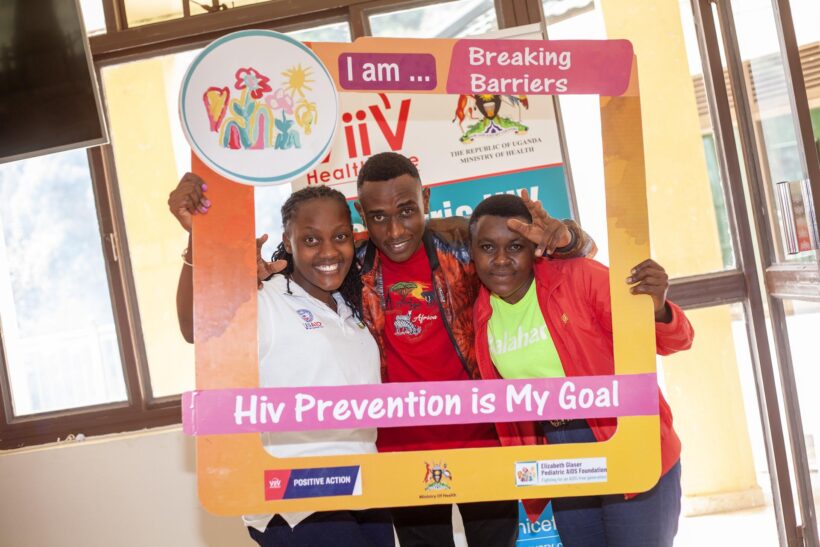
Uganda’s Ministry of Health has reported overwhelming interest in Lenacapavir, a long-acting HIV prevention injection introduced earlier this year, with demand far exceeding the limited stock currently available in the country.
Addressing a meeting of HIV advocates, researchers, and policymakers on Friday, Dr. Herbert Kadama, the Ministry’s Pre-Exposure Prophylaxis (PrEP) Coordinator, said health facilities have witnessed an unexpected trend, with more men than women seeking access to the injectable HIV prevention medicine.

Kadama noted that although Lenacapavir is only intended for individuals assessed to be at substantial risk of HIV infection, public interest in the drug has remained exceptionally high. He said the Ministry continues to receive numerous inquiries from people seeking information on eligibility and access to the medication.
When Lenacapavir was rolled out in April, Uganda received 19,200 doses for distribution across 103 designated health facilities. According to Dr. Peter Mudiope, Head of HIV Prevention at the Ministry of Health, authorities are expecting another shipment to cater for individuals scheduled to receive their follow-up injections in October.
However, Mudiope revealed that the anticipated consignment may be delayed. Although it was initially expected this month, the manufacturer has indicated that supply challenges linked to the oral tablets administered alongside the injection—commonly referred to as the loading dose—could push back delivery timelines.
He added that despite growing demand, the cost of Lenacapavir remains beyond the government’s current financial capacity. With each dose priced at approximately USD 28,000, Uganda is largely dependent on support from development partners, including the Global Fund and the United States government, to maintain supplies.
Uganda played a role in generating evidence on the effectiveness of Lenacapavir as an HIV prevention option. Clinical studies involving young women were conducted at research sites in Kalangala, Masaka, and Mityana districts, helping to demonstrate the drug’s potential in reducing HIV infections.
Dr. Flavia Matovu Kiweewa, a Senior Scientist at the MUJHU Research Collaboration and lead investigator in the study, said women who participated in the trials continue to receive the medication despite concerns about long-term availability. She disclosed that about 95 percent of former study participants currently have continued access to the injection.
At MUJHU, priority is being given to pregnant and breastfeeding women, with approximately 70 percent of available doses allocated to these groups.
Matovu expressed optimism that access to Lenacapavir will improve over the next two years. She explained that the drug manufacturer, Gilead Sciences, has already entered licensing agreements with six pharmaceutical companies to produce lower-cost generic versions. These alternatives are expected to significantly reduce the price to around USD 40 per dose.
As supplies remain limited, the Ministry of Health is encouraging individuals at risk of HIV infection to consider other approved PrEP options. These include daily oral PrEP tablets and Cabotegravir Long-Acting (CAB-LA), an injectable prevention treatment administered every two months after an initial loading schedule.




 English