


















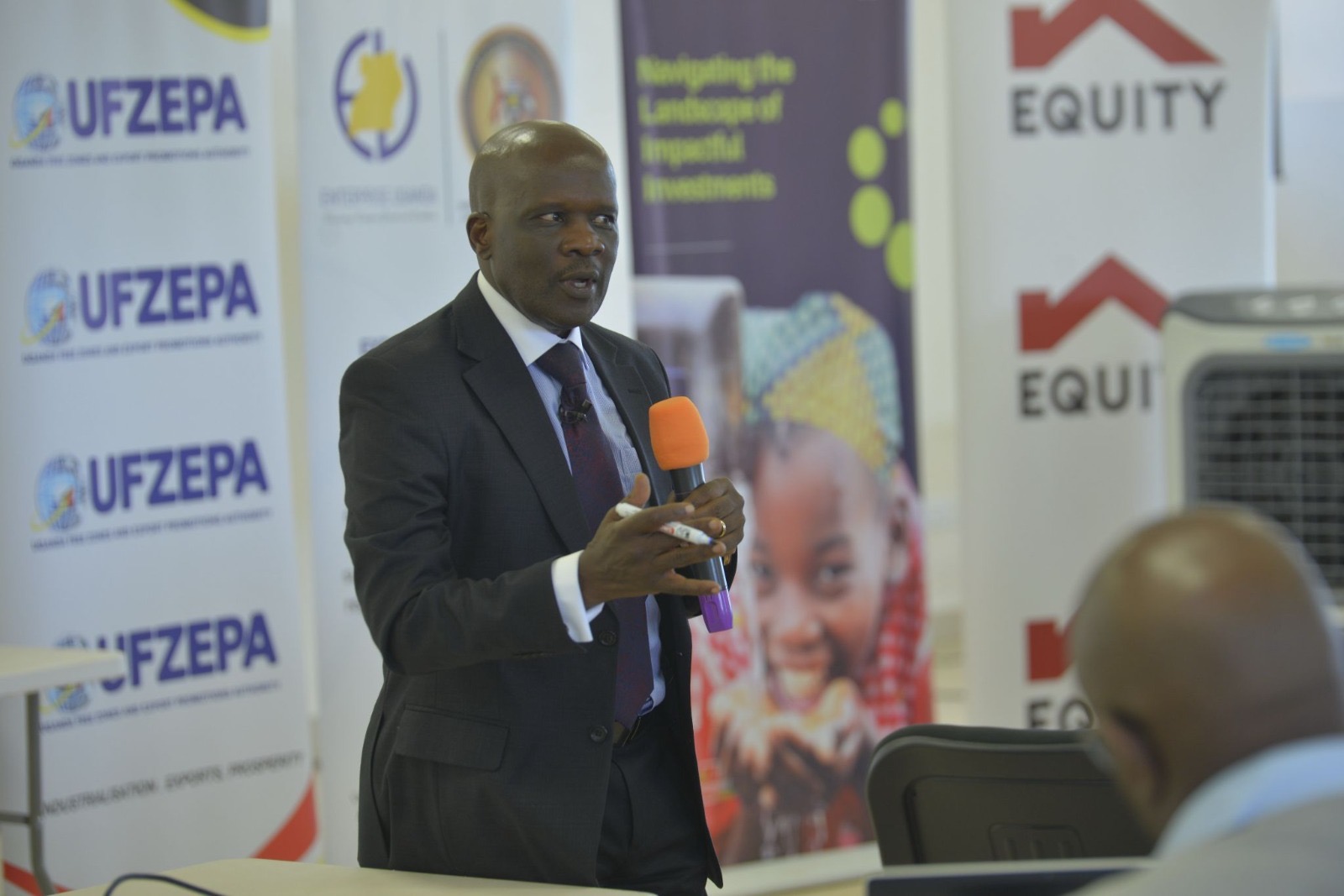
A Ugandan education technology company has been selected for high-level mentorship following its participation in the country’s flagship Export Accelerator Programme, signalling growing opportunities for digital solutions in Uganda’s export drive.
AkademikIT, developed by Bookablehood Ltd, was among the 100 enterprises that took part in the inaugural cohort of Enterprise Uganda’s Export Accelerator Programme (EAP) held from 16th to 18th March 2026 at the Enterprise Uganda Centre of Excellence in Butabika. The company has now been chosen for a specialized seven-week mentorship programme with Transformational Business Network (TBN) Africa, a strategic partner supporting export-ready SMEs with tailored guidance on market access, compliance, financing, and scaling.


AkademikIT is a comprehensive school management and automation platform that helps educational institutions handle student admissions, fee collection, academic reporting, attendance, examinations, and compliance with the new curriculum. By addressing challenges of efficiency and transparency in Uganda’s education sector, the solution is being prepared for export to schools and institutions across Africa.
Stephen Okhutu, CEO of Bookablehood Ltd, who represented the company at the accelerator, said the programme provided practical insights into meeting international market standards.
“The Export Accelerator equipped us with the tools and networks needed to transition from serving the domestic market to competing regionally,” Okhutu stated. “The subsequent TBN Africa mentorship will help us refine our export strategy and ensure we deliver consistent, high-quality digital education solutions that can generate foreign exchange while improving learning outcomes beyond Uganda.”
Enterprise Uganda’s Export Accelerator Programme focuses on building the capacity of local businesses through hands-on training in export readiness, operations, quality standards, logistics, and sustainability. It connects participants with key stakeholders, including financial institutions, the Uganda National Bureau of Standards (UNBS), and regulators.
Director General Charles Ocici has repeatedly stressed the need for Ugandan firms to look beyond local borders to support the country’s ambition of achieving tenfold economic growth through expanded exports.
While the programme has strong representation from agriculture, manufacturing, and value-added sectors, the advancement of digital platforms like AkademikIT demonstrates an expanding scope that includes technology and knowledge-based services.
This development aligns with recent efforts to train Ugandan agribusiness and ICT firms for broader market access, including potential European opportunities. Experts note that successful digital exports can create high-value jobs, boost foreign earnings, and position Uganda as a competitive player in Africa’s growing EdTech space. As the mentorship phase begins, AkademikIT’s progress will be watched closely as a test case for how homegrown digital innovations can contribute to Uganda’s export ecosystem and regional development goals.











 English