












Tension is building within Parliament over when newly elected legislators should undergo their official orientation, with differing views emerging even before the 12th Parliament is formally constituted.
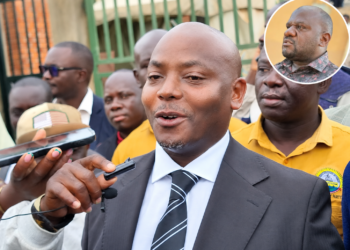
Norbert Mao, the Laroo-Pece Division MP-elect has raised concerns about proposals to conduct induction activities before the election of the Speaker and Deputy Speaker.
Mao, who is also eyeing the Speakership, argues that such timing could open the door to political influence and distract from the purpose of preparing legislators for their roles.
In a communication dated April 27, 2026, Mao advised that the induction be deferred until after Parliament elects its presiding officers.
He cautioned that holding the programme earlier could entangle a technical process in ongoing political contests, especially at a time when many incoming MPs are new to legislative work.
He stressed that Parliament can only be considered fully operational once its leadership is in place, likening any early orientation to organizing a team’s training before appointing its captain.
Mao also expressed unease about reports that individuals linked to the outgoing leadership could play a prominent role in the induction, warning that this might compromise neutrality.
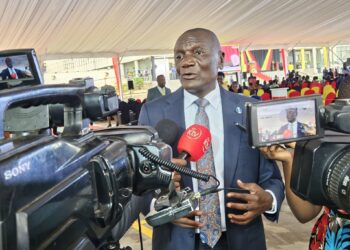
Responding to the concerns, Clerk to Parliament Adolf Mwesige Kasaija dismissed suggestions that an induction schedule had already been set.
He maintained that the institution has consistently followed a procedure where orientation takes place after the House is fully constituted, signaling that no deviation from established practice is planned.
He further noted that consultations regarding both the timing and facilitators of the programme are still ongoing, indicating that fears of bias may be premature.
Constitutional expert Jonathan Odur weighed in on the debate, emphasizing that the sequence of events is critical to maintaining order and legitimacy.
He explained that the Speaker plays a central role in directing parliamentary business, and that conducting induction before leadership is elected could undermine coherence and authority.
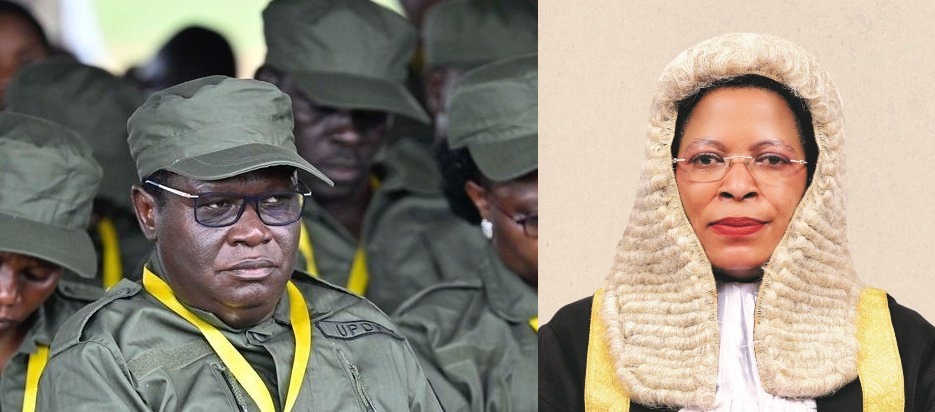
The disagreement also reflects broader political tensions. Mao pointed to previous experiences at the National Leadership Institute Kyankwanzi, where leadership contests reportedly overshadowed official programmes, as a warning of what could happen if timelines are not carefully managed.
He also referenced past disagreements with Speaker Anita Among, suggesting that unresolved friction within political circles continues to shape debates around parliamentary processes.
As discussions continue, the timing of the induction programme remains unsettled, highlighting the delicate balance between procedure and politics as Uganda prepares to usher in a new Parliament.





 English