

















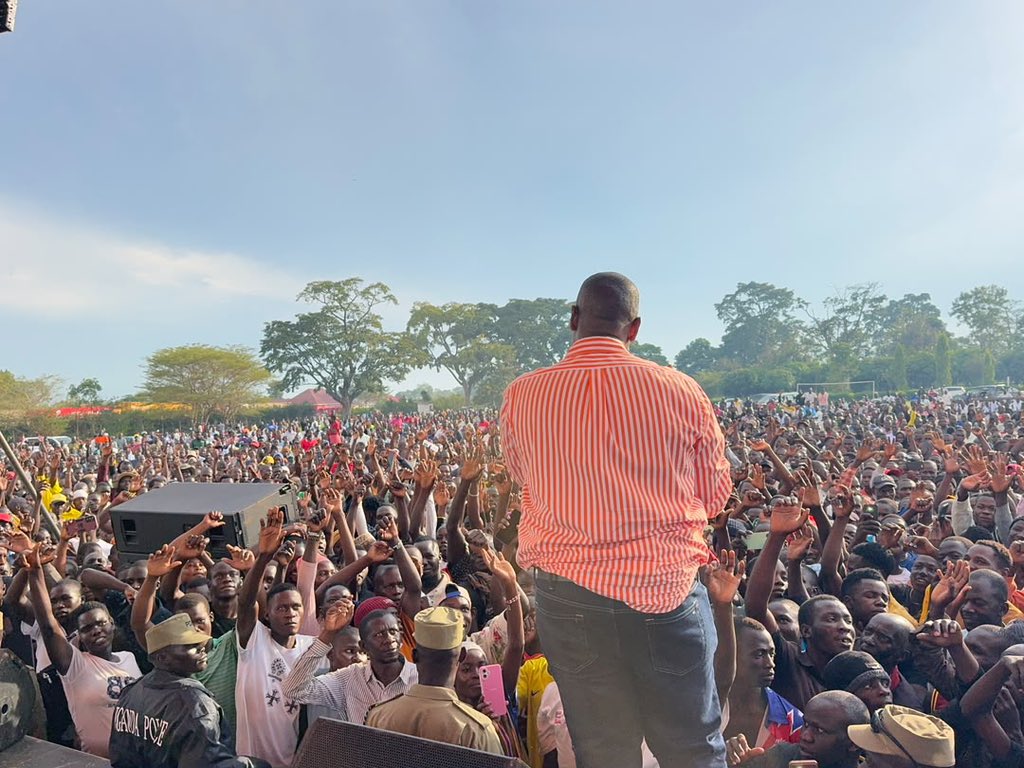
The Inspector General of Government (IGG) has endorsed Local Government Minister Balaam Barugahara’s campaign against corruption, saying the initiative is consistent with a Cabinet decision to strengthen the fight against corruption, but warned that enforcement must remain within the law.
Anne Twinomugisha Muhairwe, the Deputy Inspector General of Government, said the responsibility for combating corruption extends beyond the Inspectorate and requires the involvement of all government institutions and the public.


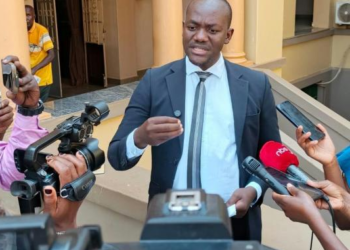
Speaking to journalists at the government-owned Media Centre on Monday, Twinomugisha said the IG welcomes initiatives aimed at confronting corruption, particularly at a time when impunity remains a growing concern.
“The fight against corruption cannot be a one-man war. We welcome every effort geared towards fighting corruption because the level of impunity has escalated. However, we caution the Ministry of Local Government to do its work lawfully,” she said.
She explained that although the Inspectorate supports the objectives of Balaam’s campaign, the institution cannot necessarily employ the same tactics because it is legally bound by specific procedures in carrying out its mandate.
According to Twinomugisha, the IG must observe the rule of law and principles of natural justice, particularly when handling administrative matters and investigating allegations against individuals.
She said the Inspectorate works alongside Minister Balaam but cautioned against declaring suspects guilty before investigations have been completed and responsibility established.
Twinomugisha also challenged members of the public to become more active in exposing corruption, particularly bribery involving public officials.
She said there was a contradiction in which some people were prepared to pay money to secure jobs or access services but were reluctant to report officials demanding the bribes.
The Deputy IGG said the Inspectorate has encountered cases where investigations stall because complainants and witnesses either withhold crucial information or decline to cooperate with investigators.
She credited the campaign led by Balaam with encouraging more people to voluntarily provide information on suspected corruption and urged citizens to use available mechanisms to report wrongdoing.
Her remarks come ahead of Uganda’s commemoration of International Ombudsman Day on Thursday.
Although the Inspectorate is widely known for its role in combating corruption, its constitutional mandate also includes the Ombudsman function, through which it addresses administrative injustices and complaints involving public institutions.
The Ombudsman mandate enables the Inspectorate to investigate allegations of abuse of authority, abuse of office and misuse of public resources, as well as complaints concerning maladministration, delays in service delivery and victimisation in workplaces.
Lady Justice Aisha Naluzze Batala said administrative injustices continue to undermine national development, noting that such complaints constitute a significant portion of the cases handled by the Inspectorate.
She said Ombudsman-related complaints represented 37 percent of all cases investigated and concluded by the Inspectorate during the 2025/26 financial year.
Among the complaints received are delays in employment and payment of benefits, irregular recruitment processes, malicious interdiction and victimisation of whistleblowers by their superiors.
During the financial year, the Inspectorate resolved 1,011 Ombudsman cases involving both central and local government institutions.
Interventions by the Inspectorate also resulted in recommendations for the payment of Shs2.353 billion to individuals who had been denied employment-related benefits to which they were entitled.
Twinomugisha said the Inspectorate has, through its Ombudsman function, facilitated the recovery of more than Shs41 billion.
She emphasised that the money recovered through the Ombudsman mandate is separate from recoveries arising from the Inspectorate’s anti-corruption investigations.
International Ombudsman Day is observed globally following the adoption of United Nations General Assembly Resolution 72/186 in December 2017.
The resolution recognised the Ombudsman and mediator institutions as important mechanisms for strengthening administrative justice and serving as a link between citizens and the state.










 English