















By Ambrose Musasizi
More than four decades after the fishing community of Kasensero became synonymous with the emergence of HIV/AIDS in Uganda, residents are embracing a new HIV prevention tool that health experts believe could significantly reduce new infections among high-risk populations.


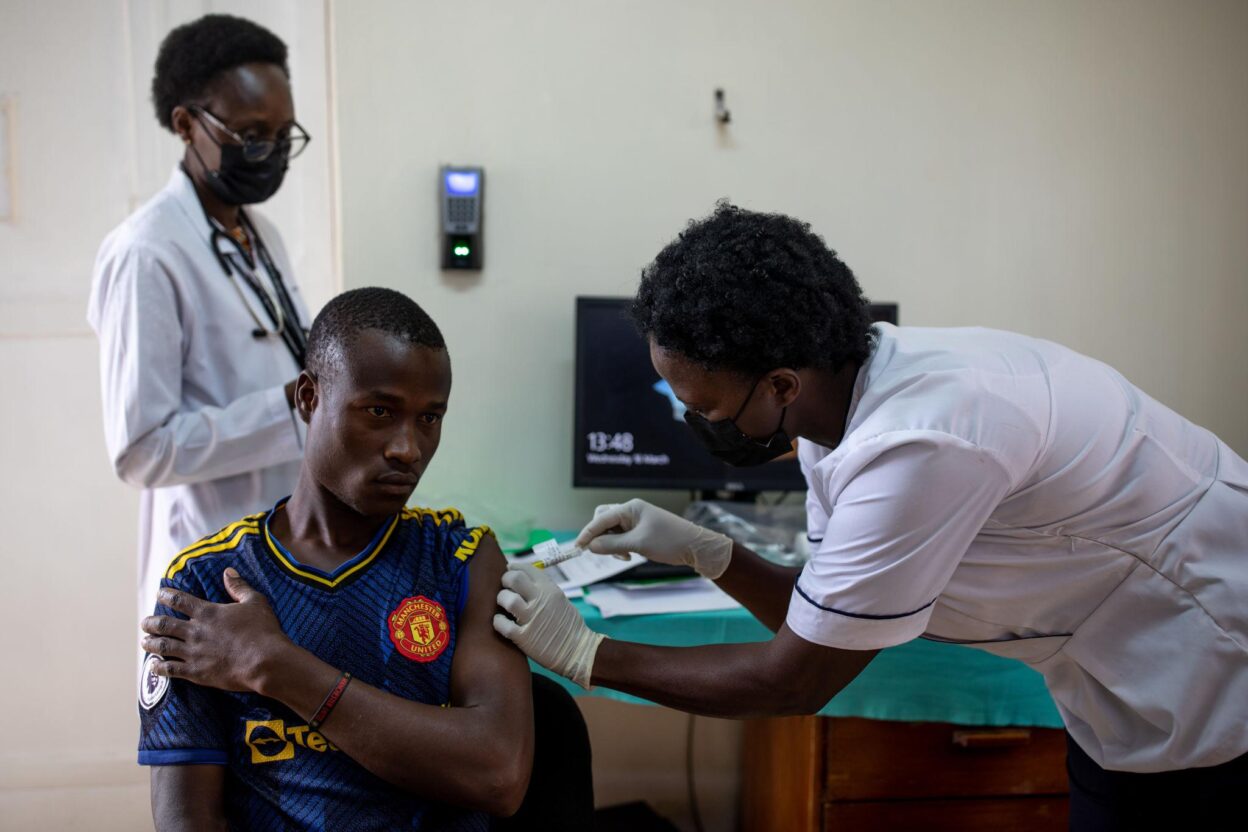
The introduction of Lenacapavir, a long-acting HIV prevention injection administered only twice a year, is generating optimism in Rakai and Kyotera districts, communities that bore the brunt of the country’s HIV epidemic in the early 1980s.
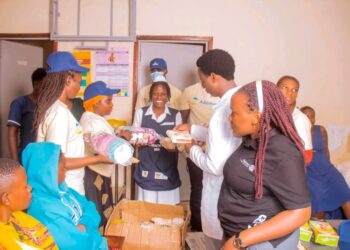
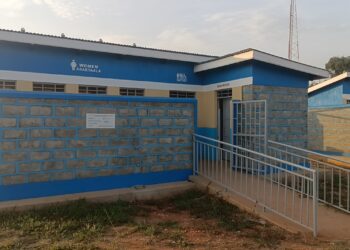
At Kasensero Health Centre III, demand for the drug has exceeded initial expectations. The facility received its first consignment of 30 doses in May, but the entire stock was quickly taken up by eligible recipients.
“We did not expect the response to be that quick,” said Gonzaga Mutesasira, the officer in charge of Kasensero Health Centre III. “People came asking about the injection because they had heard it can protect them for a long period.”
Health experts describe Lenacapavir as one of the most significant advances in HIV prevention in recent years. Unlike daily oral pre-exposure prophylaxis (PrEP), which requires strict adherence, the injectable medication offers long-lasting protection with only two doses administered annually.
The innovation is particularly significant for fishing communities along the shores of Lake Victoria, where HIV prevalence has consistently remained higher than the national average due to high mobility, irregular work schedules and other socio-economic factors.
Fishermen often spend several days on the lake, move between landing sites across districts and neighbouring countries, and face challenges in maintaining daily medication routines.
“People forget,” said Peter Kaali, a fisherman at Kasensero Landing Site. “Others fear being seen with HIV medicine because neighbours start asking questions.”
Health workers believe the long-acting injection could overcome some of these barriers by offering greater convenience, privacy and consistent protection for people at substantial risk of contracting HIV.
The intervention is also attracting interest among adolescent girls and young women, who remain disproportionately affected by new HIV infections in Rakai and Kyotera.
According to healthcare providers, many young women face challenges negotiating condom use because of gender inequality, economic vulnerability and unequal power dynamics within relationships.
Lenacapavir provides an alternative prevention option that women can access independently without relying on daily medication or partner approval.
Several health facilities in the region have reported growing inquiries from young women seeking discreet HIV prevention methods that minimize the risk of stigma.
Kyotera District HIV focal person E-max Kintu said fear of discrimination continues to discourage some people from accessing HIV prevention services despite years of awareness campaigns.
“Daily pills can be discovered by family members or partners, and clinic visits sometimes raise unnecessary questions. An injection administered only twice a year offers a level of privacy that previous interventions lacked,” Kintu said.
Health counsellors working in southern Uganda say confidentiality remains one of the strongest attractions of the new prevention method.
“Some people want protection without everyone knowing,” one counsellor noted. “The injection gives them that opportunity.”
Despite the growing excitement, health officials have cautioned the public against misconceptions surrounding the new medicine.
They stress that Lenacapavir is not a vaccine and does not treat or cure HIV. Instead, it is intended for HIV-negative individuals who are at substantial risk of infection and should be used alongside regular HIV testing, counselling and other proven prevention strategies.
Health workers have intensified community sensitisation campaigns after reports that some residents mistakenly believe the injection can cure HIV, while others have expressed concerns about possible side effects.
For Rakai and Kyotera, the introduction of Lenacapavir carries symbolic significance.
The districts that once became the face of Uganda’s HIV epidemic are now emerging as important testing grounds for one of the world’s most promising HIV prevention innovations.
As fishermen return from Lake Victoria and trading resumes at Kasensero Landing Site, memories of the epidemic remain vivid for many residents who lost relatives and watched entire families devastated by HIV.
Today, however, the community is looking toward a different future.
While health experts say the long-term success of Lenacapavir will depend on sustained supply, public awareness, community trust and continued investment in HIV prevention programmes, the overwhelming demand for the first batch of doses suggests the intervention has already begun to reshape attitudes toward HIV prevention.
For the people of Kasensero, the community once remembered as the starting point of Uganda’s HIV epidemic, the arrival of Lenacapavir represents more than a new medicine—it offers renewed hope that the next chapter of their history will be defined by prevention rather than loss.









 English