
















The government has abolished the blanket amnesty previously granted to people illegally occupying wetlands, marking a tougher approach to environmental protection and restoration efforts across the country.
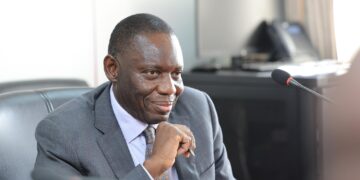
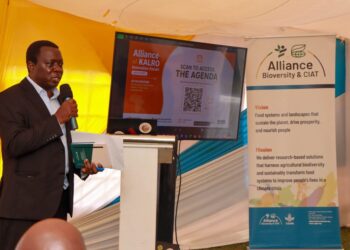
The Minister of Water and Environment, Gen. Kahinda Otafiire, announced the decision during the third National Environment Sustainability Awards (NESA) 2026 held in Kampala, warning that authorities will no longer show leniency to individuals and officials involved in wetland degradation.

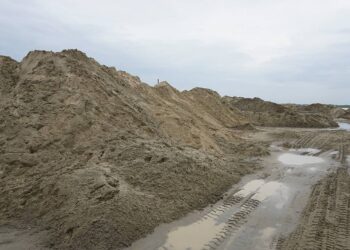
Gen. Otafiire said the destruction of wetlands has reached alarming levels and poses serious risks to water resources, public health and the environment.
He stressed that wetlands are natural habitats meant to support wildlife and perform critical ecological functions, not areas for human settlement or commercial activities.
“There should be no mercy for those who are degrading wetlands,” Otafiire said. “I am going after those who are damaging the environment and those who allow them to damage the environment. Amnesty ends today.”
He noted that wetlands play a key role in filtering pollutants before they reach rivers and lakes, warning that continued encroachment allows harmful substances to enter water bodies and eventually affect communities through the food chain.
The minister’s remarks signaled an end to years of warnings and voluntary compliance measures, with the government now expected to intensify enforcement operations against illegal occupants and public officials accused of facilitating encroachment.
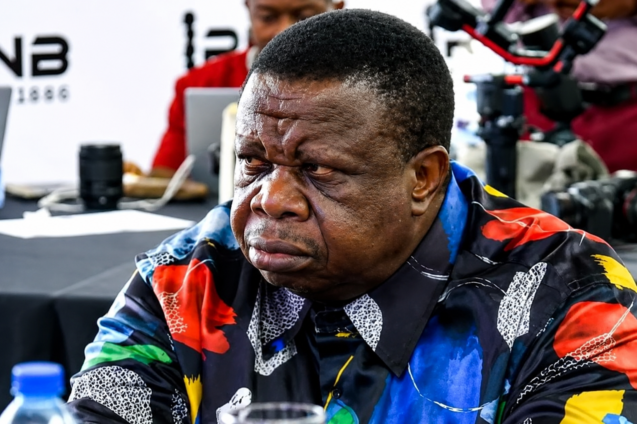
Delivering the keynote address, Bank of Uganda Governor Dr. Michael Atingi-Ego emphasized that climate change is no longer only an environmental concern but also a major threat to economic and financial stability.
He explained that climate-related disasters such as floods, prolonged droughts and infrastructure damage have far-reaching consequences, including reduced agricultural productivity, increased business costs, loan defaults and pressure on public finances.
“When farmers lose harvests, when roads become impassable, when businesses face rising operating costs, and when communities are displaced, the consequences extend far beyond the immediate damage,” Atingi-Ego said.
He urged greater investment in climate-smart agriculture, artificial intelligence and digital financial solutions, arguing that countries capable of turning climate risks into opportunities will be better positioned for future growth.
The Executive Director of the National Environment Management Authority (NEMA), Dr. Barirega Akankwasa, described environmental degradation as a threat to human survival and called for collective action to safeguard natural resources.
He said Uganda’s forests, wetlands, rivers and biodiversity remain essential for regulating rainfall, purifying water, generating hydroelectric power and supporting tourism and agriculture.
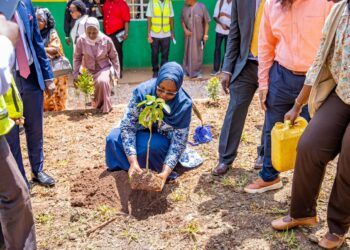
Dr. Akankwasa highlighted progress made in conservation efforts, revealing that the country’s forest cover has increased from about nine percent in 2015 to 13 percent currently. He added that wetland coverage has also improved slightly, although many wetlands remain under pressure from encroachment.
According to Akankwasa, NEMA has strengthened environmental governance through compliance monitoring, restoration programmes and the digitisation of services aimed at reducing corruption.
ENDS.






 English