




Cabinet has approved a monthly payment of Shs1 million for all medical interns deployed at internship training centres across the country, in a move aimed at addressing a long-running dispute over allowances and working conditions.
The decision, announced on Tuesday, comes a day after eight medical interns who were arrested while marching to Parliament to petition lawmakers over their unpaid allowances were released on court bail.

According to Alioni Yorke Odria, the Minister of State for National Guidance, the interns will receive the Shs1 million monthly payment from August through December 2026.
The announcement follows widespread reluctance among the 2,417 medical interns deployed for the current internship cycle to report to their respective training centres, with the interns citing unpaid allowances and other concerns.
The dispute has its roots in a proposed National Education and Training for Health Policy, which sought to reform the training of health professionals by improving the quality of health education and strengthening the transition from classroom learning to professional practice.
Among the most controversial proposals was the removal of allowances for medical interns, as well as a proposal requiring medical students to undertake internship before graduation.
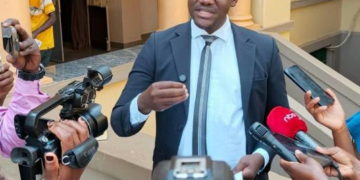
However, Odria told journalists at the Uganda Media Centre on Tuesday that Cabinet had reversed the latter position, allowing students to complete their studies and graduate before proceeding for internship.
The latest decisions have, however, drawn criticism from medical professionals who say the government may have acted on inaccurate information about the number of interns who have reported to training centres.
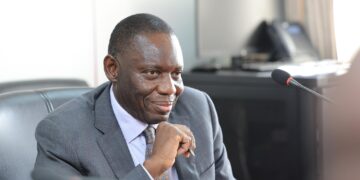
Dr Joel Mirembe, a former President of the Federation of Uganda Medical Interns (FUMI), welcomed the decision to pay interns regardless of whether they were government or privately sponsored during medical school, but said the Shs1 million payment does not address the broader concerns raised by medical workers.
Mirembe accused officials in the Ministry of Health of presenting inaccurate statistics about the number of interns who had reported to their training centres.
He said the decision to pay all interns was not a new demand, noting that the Uganda Medical Association (UMA) has been pushing for a uniform payment structure while also demanding that junior doctors be paid Shs4 million.
Last week, UMA issued a 14-day ultimatum to government, demanding that all medical interns be paid a uniform allowance. The association warned that doctors could lay down their tools if the concerns affecting interns were not addressed.
Following Cabinet’s latest decision, Mirembe said UMA would convene an extraordinary meeting to determine whether to suspend the ultimatum or maintain it.
He said the association’s concerns go beyond payment and include the proposed policy, which he argued requires a comprehensive review involving key stakeholders in the health sector.
“The policy needs to be reviewed fully, and the views of stakeholders, including the Uganda Medical Association, must be considered,” Mirembe said.
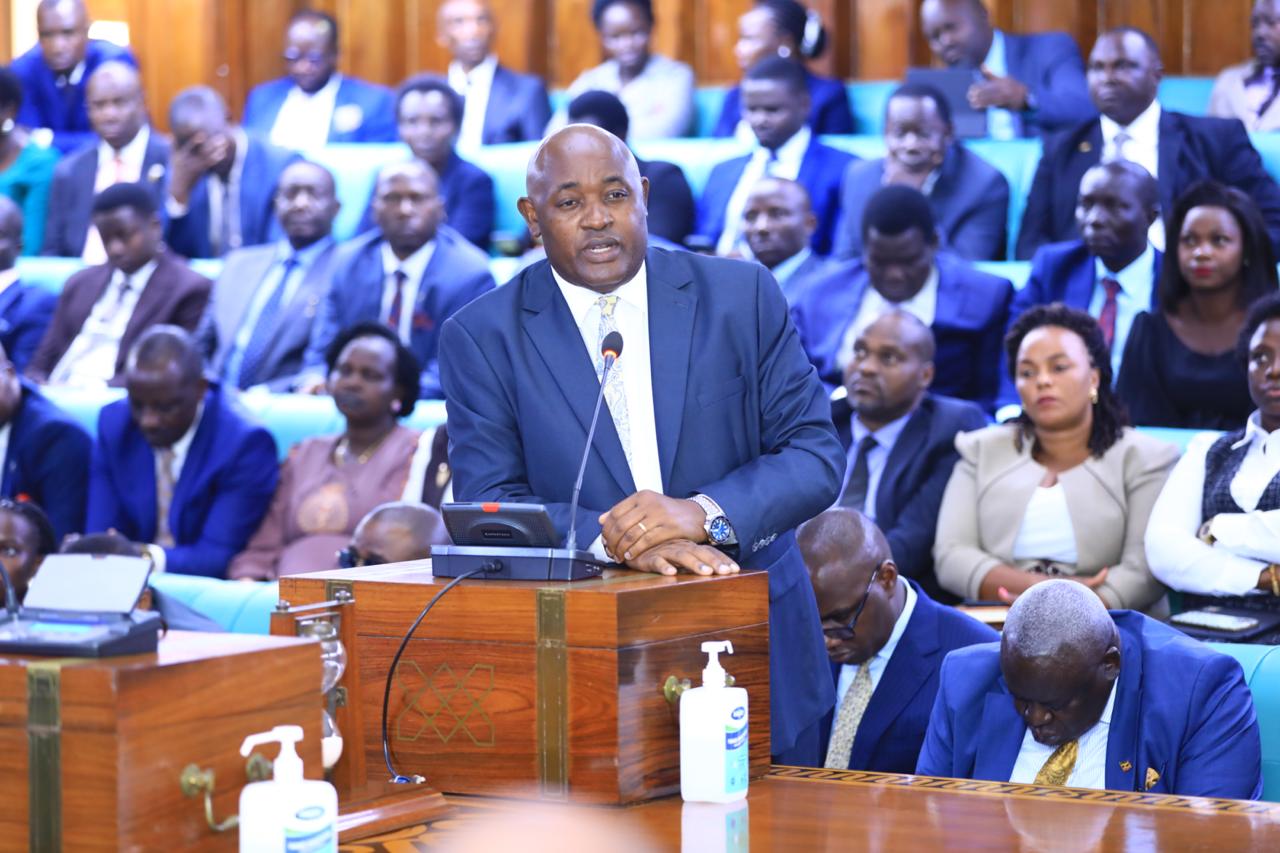
Meanwhile, Health Minister Dr Chris Baryomunsi has told Parliament that implementation of the controversial National Education and Training for Health Policy has been suspended.
The suspension and Cabinet’s decision to restore payments to interns are expected to ease tensions between government and medical trainees, although questions remain over the adequacy of the Shs1 million monthly payment and whether it will address the wider concerns raised by the medical fraternity.






 English