



The Inspectorate of Government (IG) has given 33 individuals until January 8, 2027, to clear outstanding balances totalling Shs1.689 billion arising from plea-bargain agreements, warning that those who fail to meet the deadline risk further enforcement action, including prosecution.
In a public notice, the Inspectorate directed the affected individuals to report to its offices in person with evidence of payment to allow officials to verify and reconcile their outstanding obligations.
The IG said the money represents unpaid amounts arising from agreements reached with individuals who had entered plea-bargain arrangements, cautioning that failure to settle the balances within the stipulated period would leave the institution with no option but to pursue further enforcement measures.
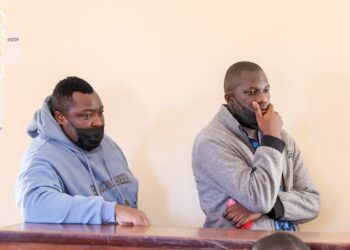
Leading the list are Umar Katongole and his wife, Hawah Ssengendo, also known as Kawa Bitone, whose outstanding obligation stands at Shs1 billion.
Other individuals named include Ogobi Lillian, who owes Shs88.48 million; Jimmy Patty Odera (Shs50.08 million); Sebunya Denis (Shs42.3 million); Bantu Zabulon (Shs41.89 million); Atai Helen (Shs33.5 million); and Idiro John (Shs32.96 million).
The remaining 26 individuals have outstanding balances ranging from Shs1.82 million to Shs30.3 million.
The Shs1 billion attributed to Katongole and Ssengendo represents the largest amount on the list and is linked to a protracted corruption case dating back several years.
In July 2019, the Inspectorate arrested the couple and charged them before the Anti-Corruption Court with illicit enrichment and money laundering.
Prosecutors alleged that between 2008 and 2015, Katongole, who was then a station engineer at the Uganda National Roads Authority (UNRA) before becoming a principal engineer in the Ministry of Works, possessed properties valued at approximately Shs6.28 billion.
The alleged wealth was significantly above his known legitimate earnings of about Shs317 million during the same period.
The prosecution also accused Ssengendo, who was then a senior community development officer at Wobulenzi Town Council, of depositing nearly Shs2.85 billion on various bank accounts in transactions allegedly intended to conceal the origin of the money.
After years of legal proceedings, the couple approached the Inspectorate in 2024 seeking an out-of-court settlement. As part of the proposed arrangement, they surrendered three parcels of land in Wakiso District, valued at approximately Shs1.4 billion, as security and undertook to pay at least Shs1 billion within 12 months.
The criminal charges were subsequently withdrawn following the settlement arrangement. However, the latest recovery notice suggests that the agreed cash payment remains outstanding, more than two years after the arrangement was reached.
The new enforcement notice comes months after the Inspectorate issued a similar demand targeting 202 public officials who collectively owed more than Shs2.3 billion.
At the time, the affected officials were directed to reconcile their accounts and settle outstanding obligations or risk prosecution. Subsequent developments indicated that some had cleared their balances, while others made partial payments or surrendered property towards recovery. However, substantial amounts remained unpaid.
Plea bargaining, provided for under the Judicature (Plea Bargain) Rules, 2016, allows an accused person to negotiate an agreement with the prosecution, usually involving a guilty plea in exchange for concessions such as reduced charges or a lighter sentence.
In corruption-related cases, such arrangements may also include commitments to refund public funds, compensate for losses or surrender property acquired through illicit proceeds. Failure to fulfil the agreed terms can trigger enforcement action in accordance with the law.
The Inspectorate’s latest demand also comes against the backdrop of persistent concerns over the gap between amounts ordered for recovery and the actual money or assets retrieved from individuals implicated in corruption.
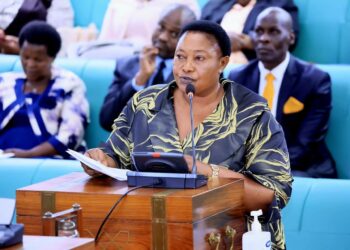
In its January-June 2026 performance report to Parliament, the IG reported that it had ordered the recovery of approximately Shs41.6 billion but managed to recover only Shs5.7 billion in cash and assets during the same period.
The disparity has continued to raise questions about the effectiveness of the country’s asset-recovery mechanisms, particularly in cases involving substantial sums of money.
While public notices and recovery deadlines demonstrate the Inspectorate’s efforts to enforce settlement obligations, the relatively low recovery figures point to wider challenges, including tracing assets, enforcing court orders and ensuring that individuals who enter plea-bargain agreements honour their financial commitments.
The January 8 deadline will therefore test the Inspectorate’s ability to translate recovery orders and negotiated settlements into actual recoveries, particularly in high-value cases where substantial sums remain outstanding.


 English
