











The Physical Infrastructure Committee of Parliament is seeking a meeting with President Yoweri Museveni as it prepares to conclude its investigation into the controversial Intelligent Transport Monitoring System (ITMS), with questions emerging over the contract, procurement process, financial transactions and compliance with the law.
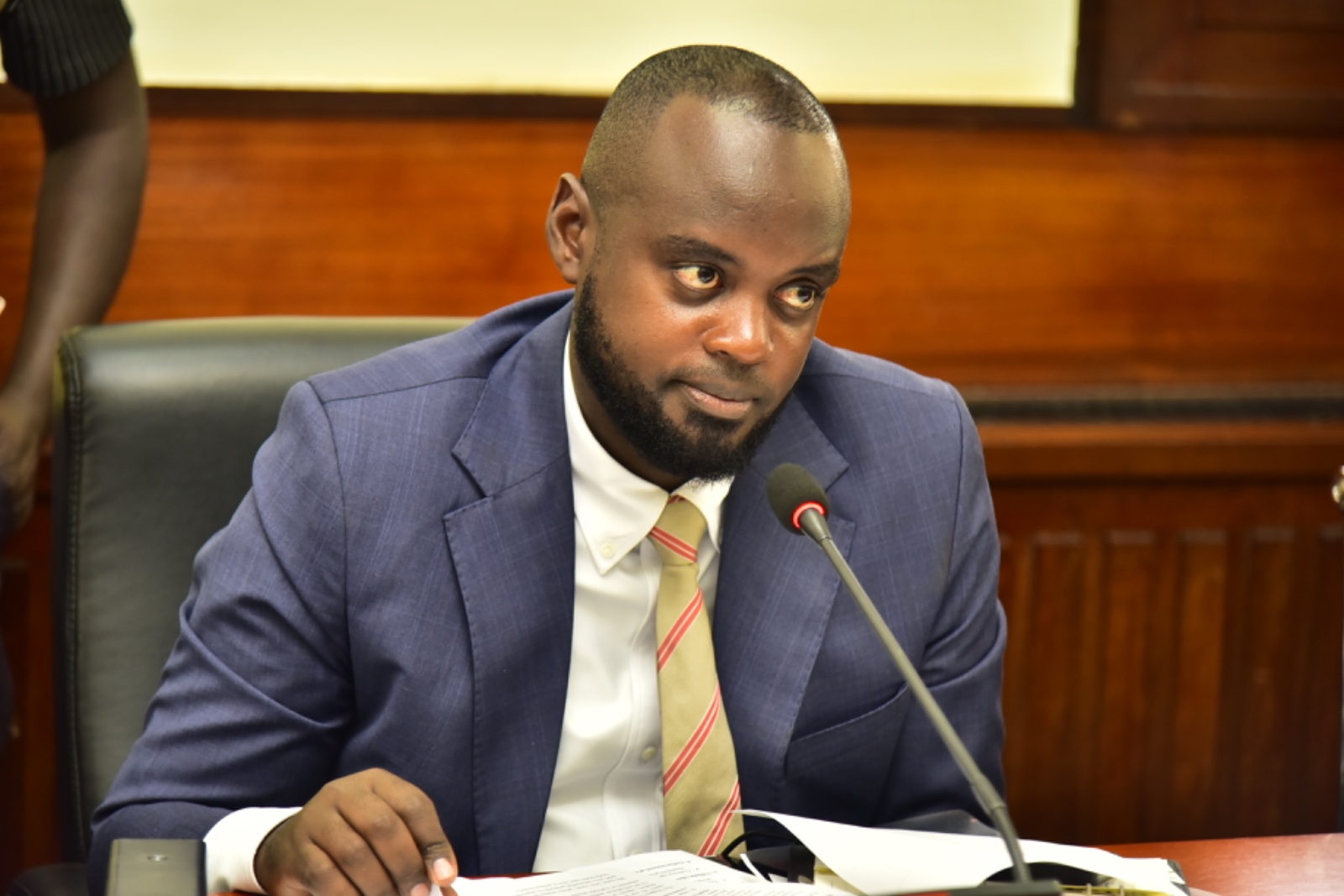
Committee chairperson Mwine Mpaka said the legislators want to meet the President before submitting their findings to Parliament next week. The committee has so far engaged 19 stakeholders and held a closed-door meeting with Auditor General Edward Akol as part of its inquiry.
The investigation is intended to establish how the project was initiated, how the contract was awarded and implemented, and whether the government institutions involved followed the applicable legal and financial procedures.
The ITMS initiative emerged in 2018 as part of government efforts to strengthen security surveillance following a series of high-profile crimes involving vehicles and motorcycles. The proposed system was intended to help security agencies identify and track vehicles suspected of being used in criminal activities, monitor their movements and respond more quickly to security incidents.
In June 2018, Museveni outlined vehicle and motorcycle tracking, alongside closed-circuit television (CCTV) surveillance and other interventions, as measures to combat crime.
Following the initiative, the National Enterprise Corporation (NEC) signed a memorandum of understanding with Russian firm Joint Stock Company Global Security (JSCGS) to explore cooperation in implementing the system.
On July 23, 2021, the government entered into a 10-year agreement with the Russian company for the installation of digital number plates and related tracking technology. The system was expected to provide security agencies with vehicle identification and tracking capabilities through surveillance infrastructure.
However, the project has since faced scrutiny over the procurement process, the contractor’s capacity, implementation delays, costs imposed on motorists and the legal framework under which the agreement was executed.
The controversy intensified this month after Attorney General Sam Mayanja told the parliamentary committee that the 2021 agreement was legally null and unenforceable. He argued that it contravened existing laws and failed to meet fundamental contractual requirements.
Mpaka said the committee’s current task was to establish what happened during the project’s implementation, rather than revisit the reasons for introducing digital number plates or debate which company should have been selected.
He also disclosed that the Office of the Auditor General had not completed a comprehensive audit of the project, despite the committee initially allowing the national audit office five days to undertake preliminary investigations.
According to Mpaka, the period was too short to examine the project’s full financial transactions, contractual obligations and other arrangements.
He said the committee would instead rely on documentary evidence and information obtained from the relevant institutions to establish the facts before presenting its conclusions to Parliament.
As part of the inquiry, the committee has obtained statements from the three banks where the company associated with the project maintains accounts. The documents are being examined to establish the movement of funds, the amounts collected from motorists and any outstanding financial obligations arising from the project’s business arrangements.
Mpaka declined to disclose the amount collected from the sale of digital number plates or the sum the company expects to recover, saying the committee would present its findings through the parliamentary report.
The lawmakers are also scrutinising the drafting of the contract, which Mpaka said contains numerous errors. However, he declined to conclude whether the errors were deliberate, saying that determination would depend on the committee’s findings.
“There were mistakes done in the drafting of this contract. So many mistakes, which you will see in the report. As to whether they were intentional, these are all findings of the committee,” Mpaka said.
The proposed meeting with Museveni is also expected to address concerns about how presidential directives are interpreted and implemented by government officials.
Mpaka said the committee had encountered situations in which officials appeared to treat presidential directives as overriding their technical responsibilities and legal obligations.
He said the legislators intend to discuss with the President how the project was conceived and implemented, as well as clarify the roles played by the different government institutions involved.
The investigation has also been complicated by restrictions on accessing and disclosing information because the project was classified as security-sensitive.
Mpaka said the committee had to exercise caution in handling information obtained during the inquiry, particularly material that could not be discussed publicly.
The findings are expected to clarify the circumstances surrounding the agreement, the financial arrangements underpinning the project and whether the institutions responsible for its implementation complied with the law.








 English
