
















The Education Service Commission (ESC) is operating with five active commissioners after the contracts of two members expired in June 2026, Parliament has been told.
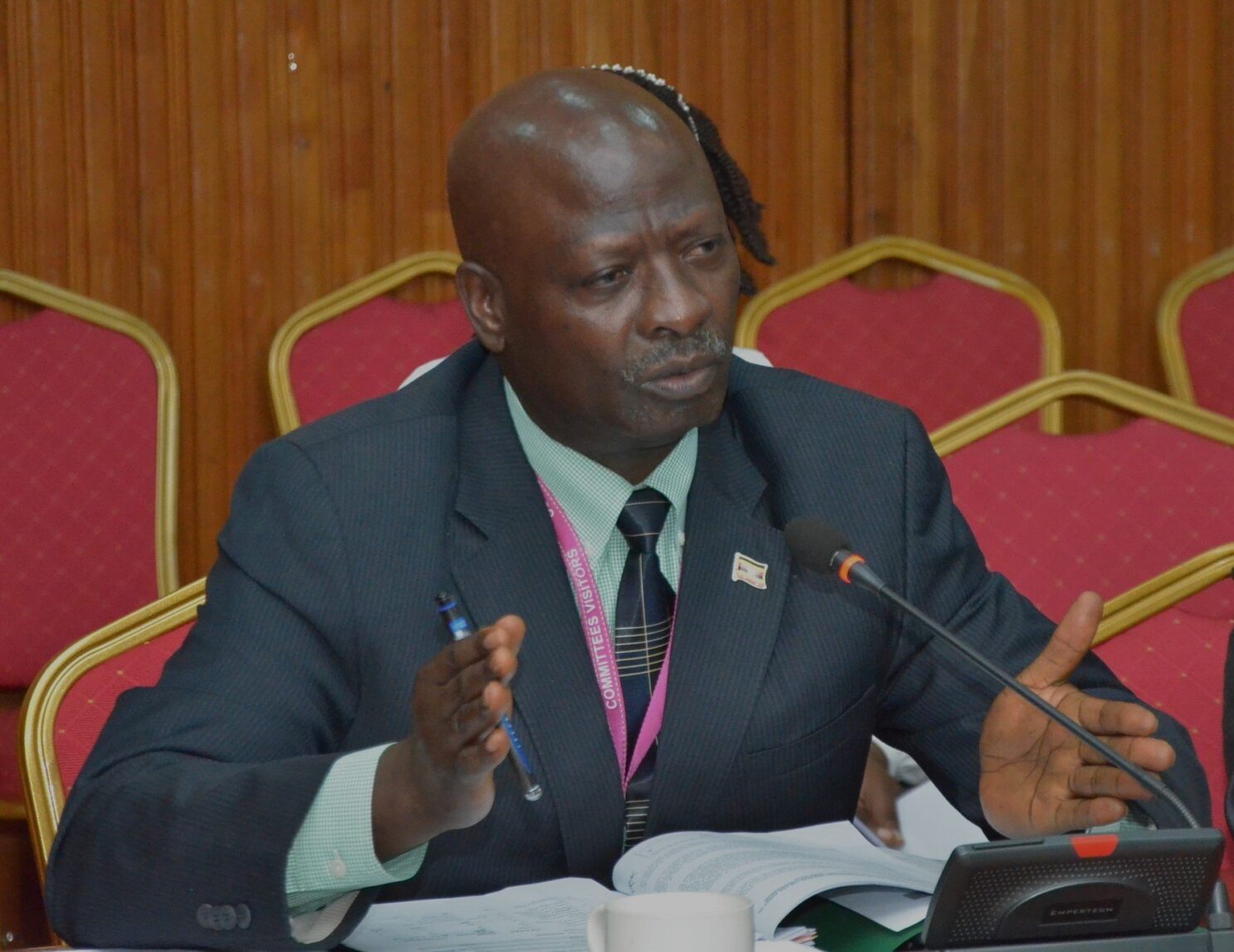
The development was disclosed by the Commission’s Permanent Secretary and Secretary, Dr Asuman Lukwago, when he appeared before the Committee on Commissions, Statutory Authorities and State Enterprises (COSASE) to respond to concerns arising from the Auditor General’s report for the 2024/25 financial year.


Lukwago told MPs that the contracts of commissioners Violet Kajubi and Johnson Malinga expired in June, reducing the number of active commissioners to five. He said Malinga has since applied for renewal of his contract.
The staffing gap emerged as MPs examined the Commission’s performance against its 2020-2025 strategic plan, which, according to the audit findings, fell short of several targets.
Thousands Of Teachers Not Confirmed
A major point of concern was the Commission’s performance in recruiting and confirming education personnel.
Audit findings presented to COSASE showed that the Commission had set a target of confirming 16,200 qualified education personnel but confirmed 13,611, representing about 84 percent of the planned target.
The Commission, however, reported that it had recruited 17,233 personnel against the same target of 16,200.
Lukwago attributed some of the discrepancies and delays to disruptions caused by the COVID-19 pandemic, particularly between 2020 and 2023 when schools were closed and routine education administration processes were interrupted.
He said the Commission was subsequently forced to accelerate recruitment after a validation exercise revealed that some teachers had failed to return to their schools when institutions reopened.
According to Lukwago, some teachers had taken up alternative work, including boda boda riding, during the pandemic and did not return to teaching.
The establishment and opening of additional seed secondary schools also increased demand for teachers and contributed to the accelerated recruitment exercise.
MPs, however, questioned why thousands of teachers who had been recruited were not subsequently confirmed.
Confirmation Process
Lukwago explained that recruitment and confirmation are separate processes and that a newly recruited teacher must first serve for six months before becoming eligible to apply for confirmation.
The application is initiated through the headteacher and forwarded to the Ministry of Education and Sports before being submitted to the Education Service Commission for verification and confirmation.
He said the Commission generally takes between two weeks and one month to process confirmation applications after receiving them from the Ministry.
Some applications, however, were delayed because they had not reached the Commission, while others were affected by the timing of recruitment, particularly for teachers hired towards the end of the strategic-plan period.
The Commission also cited the need for thorough verification because some teachers have presented forged appointment letters and other fraudulent documents.
Lukwago said a recent validation exercise identified more than 500 teachers with forged documents and other irregularities, resulting in their removal from the government payroll.
COSASE members demanded detailed documentation showing the teachers who applied for confirmation, those who were confirmed and those whose applications were not approved, including the reasons for the delays or rejection.
MPs said they were concerned about the effect prolonged confirmation delays could have on teachers’ careers, employment security and welfare.
Headteachers Accused Of Delaying Applications
The committee also raised complaints that some headteachers allegedly delay teachers’ confirmation applications or demand money before forwarding them to the relevant authorities.
Lukwago acknowledged that the Commission had received complaints alleging that some headteachers demanded payments from teachers seeking confirmation, transfers and other services.
He said the complaints formed part of broader challenges in human resource management within the education sector.
Lukwago also acknowledged that some teachers have waited for years before being confirmed, while others have continued working and receiving salaries without completing the formal confirmation process.
He attributed some of the challenges to inadequate human resource personnel responsible for supporting and managing teachers, particularly at the district level.
Elgon North MP Gerald Nangoli also questioned why the Commission could not prioritise recruiting teachers from the communities where they would work, arguing that this could help reduce absenteeism and cases of teachers abandoning their duty stations.
Commission Misses Several Strategic Targets
Beyond teacher recruitment and confirmation, COSASE raised concerns over the Commission’s failure to achieve several objectives contained in its 2020-2025 strategic plan.
The Commission had planned to support and strengthen the capacity of 438 District Service Commissions but managed to reach only 69, representing about 16 percent of the target.
It also planned to review, print, disseminate and implement schemes of service for 10,000 education personnel but achieved only 1,500, equivalent to about 17 percent of the target.
MPs also questioned the Commission’s performance in disciplining education service personnel as outlined in its strategic plan.
COSASE Chairperson Muwanga Kivumbi said the committee would go beyond the written explanations submitted by the Commission and scrutinise the audit findings further.
He said some of the issues raised were serious enough to warrant additional verification, including spot checks and field inspections, to establish whether the Commission is effectively executing its mandate.
The committee is expected to compare the Commission’s submissions with evidence from the Auditor General and, where necessary, conduct further investigations before making recommendations.
MPs are also expected to engage the Ministry of Education and Sports over the teacher confirmation process and staffing challenges affecting the administration of education personnel across the country.
ENDS.











 English