



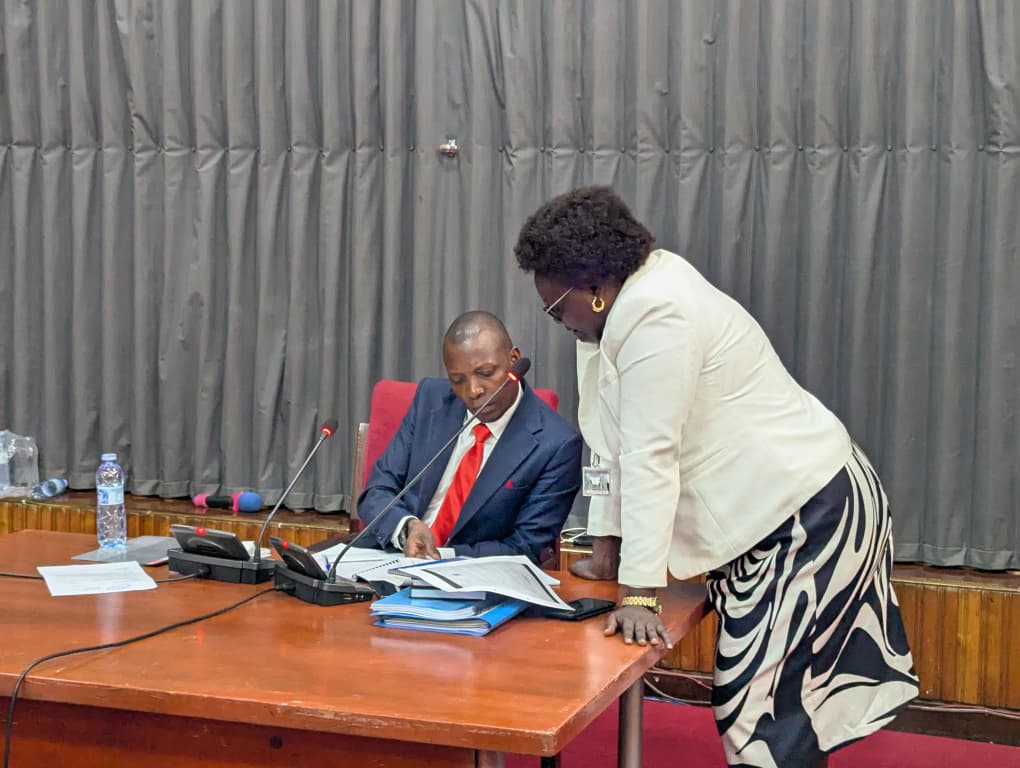
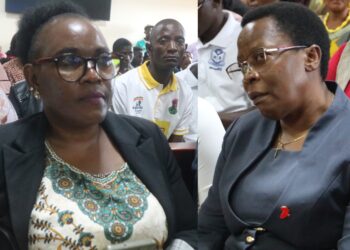
Former Uganda Human Rights Commission (UHRC) Secretary and Accounting Officer Margaret Lucy Ejang has attributed part of the Commission’s growing case backlog to changes in the handling of complaints introduced during the tenure of former Chairperson Mariam Wangadya.
Ejang made the disclosure on Friday while appearing before Parliament’s Committee on Commissions, Statutory Authorities and State Enterprises (COSASE), which is investigating financial and administrative issues raised in the Auditor General’s report for the 2024/2025 financial year.
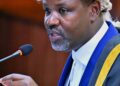
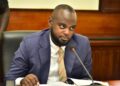
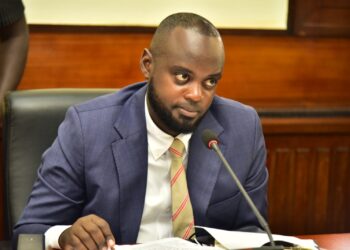
The committee, chaired by Muwada Nkunyingi, summoned Ejang to explain several audit queries relating to her tenure as accounting officer.
The Auditor General’s report indicated that 1,154 cases had been carried forward to the UHRC tribunal, but only 61, representing 5.3 percent, had been resolved. A further 563 cases, equivalent to 52 percent, had remained pending for more than 10 years.
Ejang told MPs that the backlog was partly linked to changes introduced under Wangadya, including a directive that complaints of illegal detention would only warrant investigations where the complainant had been detained for more than seven days.
She said the approach contributed to a heavy workload for regional officers, who were left handling large numbers of complaints.
Ejang recommended a forensic audit of the backlog to establish how the cases accumulated, how they were handled and whether changes in the Commission’s procedures contributed to delays in resolving them.
UHRC Received Shs10.4 Billion
The former accounting officer also told COSASE that UHRC received an additional Shs10.4 billion to support activities including human rights education, complaints management, monitoring and inspections, research and tribunal sittings.
However, she said a significant portion of the money was absorbed by salary enhancements and capital development.
According to Ejang, Shs2 billion was allocated for salary enhancements for the chairperson, commissioners and staff, while approximately Shs6 billion was allocated to capital development, leaving about Shs2 billion for other Commission activities.
She also disclosed disputes over foreign travel and allowances, saying some commissioners complained about being excluded from overseas trips.
Ejang said the travel budget was placed under the chairperson’s office, giving Wangadya discretion over who travelled and the activities for which they travelled.
Disputed Shs5 Million Honorarium
Ejang further told MPs that Wangadya sought a monthly honorarium of Shs5 million for tribunal sittings between August 2025 and February 2026.
She said she initially objected to the payment on the grounds that commissioners were full-time officials who already received salaries.
According to Ejang, the honorarium was nevertheless paid to Wangadya alone, while other commissioners did not receive the payment.
She said the Shs5 million monthly payment had not been specifically provided for in the budget but was instead drawn from the general allowances budget line.
Ejang also told the committee that commissioners received Shs1.2 million each as welfare support, including money for refreshments, although the expenditure was not specifically provided for in the budget.
Funds Sent To Personal Assistants’ Accounts
The former accounting officer further disclosed that some funds budgeted for activities under the chairperson’s office were transferred to the accounts of the chairperson’s personal assistants.
She clarified that the money was not personal allowance for Wangadya but was intended to finance Commission activities, including stakeholder engagements, which had been budgeted under the chairperson’s office as a cost centre.
Ejang said the first personal assistant, Pauline Nansamba Mutumba, was later promoted, after which similar payments were made to the account of another personal assistant, Nabete Mukunyu.
She said the arrangement followed a resolution of the Commission at a meeting attended by all commissioners.
However, Ejang told MPs that the minutes containing the resolution, as well as those relating to the Shs5 million honorarium, were not signed by the chairperson and were repeatedly deferred during subsequent meetings.
COSASE Probes Shs70.4 Million Expenditure
The committee is also examining Shs70.41 million which the Auditor General flagged over discrepancies between UHRC’s reported performance and the supporting documentation for the expenditure.
Current UHRC officials told COSASE that the money had been used to purchase office furniture but reportedly failed to provide documentary evidence to substantiate the expenditure during their earlier appearance.
Ejang’s testimony is expected to help the committee establish how the funds were utilised and determine the circumstances surrounding the financial and performance-reporting discrepancies.
COSASE is expected to continue questioning UHRC officials next week as the parliamentary inquiry examines the Commission’s management, accountability, case backlog and delivery of human rights services.






 English