















The Mukono District Chief Administrative Officer (CAO) has visited the collapsed bridge linking Nsambwe in Mukono Municipality to Ttakajjunge and Kikubankima villages in Nama Sub-county, in a development that appears to signal renewed district attention to the infrastructure after authorities were recently accused of distancing themselves from responsibility for its maintenance.
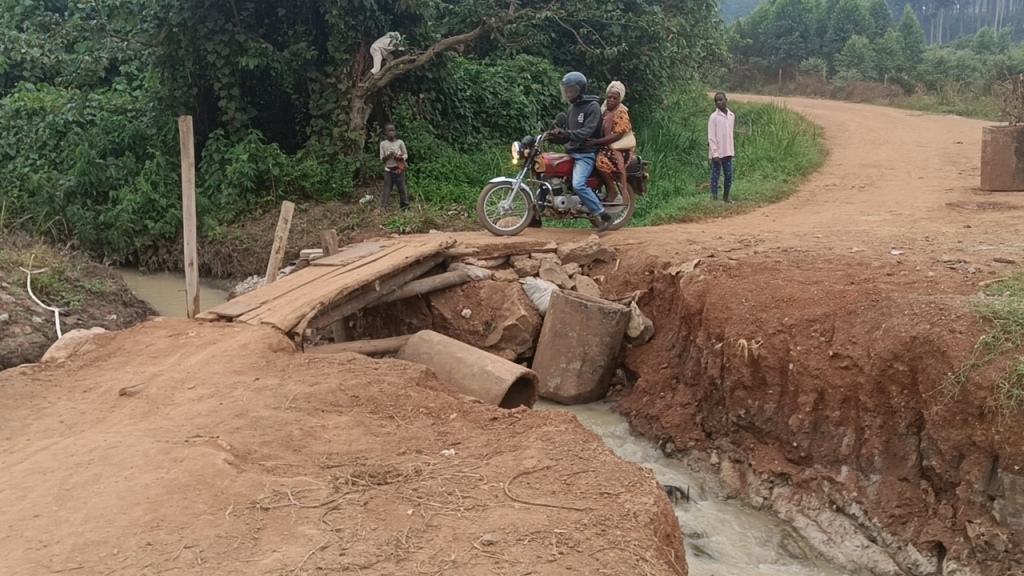
The visit comes nearly three weeks after the bridge collapsed, leaving residents, students, boda-boda riders and traders struggling to cross the affected section and exposing a growing dispute between Mukono District and Nama Sub-county over who is responsible for the road.

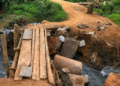
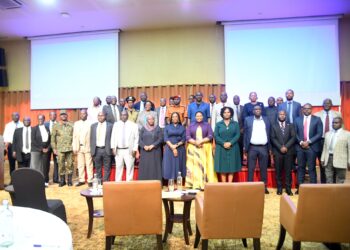
The CAO visited the site alongside other district officials following growing public concern and calls for government intervention. However, the district has not yet publicly disclosed the findings of the visit, including whether it accepts responsibility for the bridge, what caused the collapse or when permanent repairs will begin.
The development is significant because residents and local leaders have previously said that when they sought assistance from the district, they were told that responsibility for the road lay with Nama Sub-county.
Solomon Yiga, a councillor at Nama Sub-county, said residents were surprised by the response because the road had historically been managed and maintained by Mukono District.
Yiga said the sub-county does not have sufficient resources to undertake major rehabilitation of the bridge, although local leaders are willing to work with residents, factories and well-wishers to provide temporary assistance.
The disagreement has left residents caught between two levels of government while the crossing continues to deteriorate.
The collapse has disrupted movement between the communities, affecting access to schools, health services, markets and businesses. Students and boda-boda riders are among those facing the greatest risks because the damaged crossing has forced them to rely on makeshift wooden planks to cross the waterway.
Ssalongo Waswa Kizito, a resident, said the road has sometimes been maintained by a foreign national known locally as “Papa”, who operates Noah’s Ark Children’s Home.
Waswa said Papa’s contribution had helped keep the road passable but stopped by the district which imposed conditions which looked extortive.
Waswa further alleged that people riding motorcycles with red number plates had threatened individuals attempting to work on the road before frustrating the last attempt of upgrading the bridge.
The allegations could not independently be verified, while efforts to obtain a response from the officials named in the claims were unsuccessful.
Boda-boda rider Sudayisi Serunjogi said the situation had become increasingly dangerous for riders and pedestrians.
“Our motorcycles are falling into the water,” he said, describing the risks faced by people attempting to cross.
At a recent Nama Sub-county council meeting, Yiga and councillor Mary Mbigidde also rejected claims that the sub-county is responsible for the road.
The matter has since attracted the attention of Minister of State for Local Government Balaam Barugahara Atenyi, who called for an investigation into the collapsed bridge.
In a post on X, Balaam said he had taken note of concerns about the broken bridge and would establish what had happened to any funds that may have been allocated for its repair.
He said that if funds had been provided, he would “follow the money” and hold those responsible accountable. If no funding was available, he said he would work with the relevant authorities to ensure the bridge is repaired.
Balaam also challenged the responsible authorities to act urgently, arguing that residents should not suffer because of negligence or mismanagement.
The minister’s intervention has placed additional scrutiny on Mukono District, particularly now that the CAO and other district officials have physically visited the site.
The visit could mark a shift from the earlier position residents described as the district disowning responsibility. But without an official statement following the inspection, it remains unclear whether the visit represents an acceptance of responsibility or simply an assessment of the situation.
For residents, the distinction matters less than the outcome. They want the authorities to establish who is responsible, explain what has happened to previous interventions or funds, and provide a clear plan for restoring a safe crossing.
ENDS.








 English