
















Parliament has called on the government to urgently address concerns surrounding the deployment, working conditions and facilitation of medical interns, amid growing tension within the medical profession.
The matter came before Parliament on Wednesday after the Uganda Medical Association (UMA) issued a 14-day ultimatum to government, warning that doctors could take industrial action if the concerns affecting medical interns are not resolved.


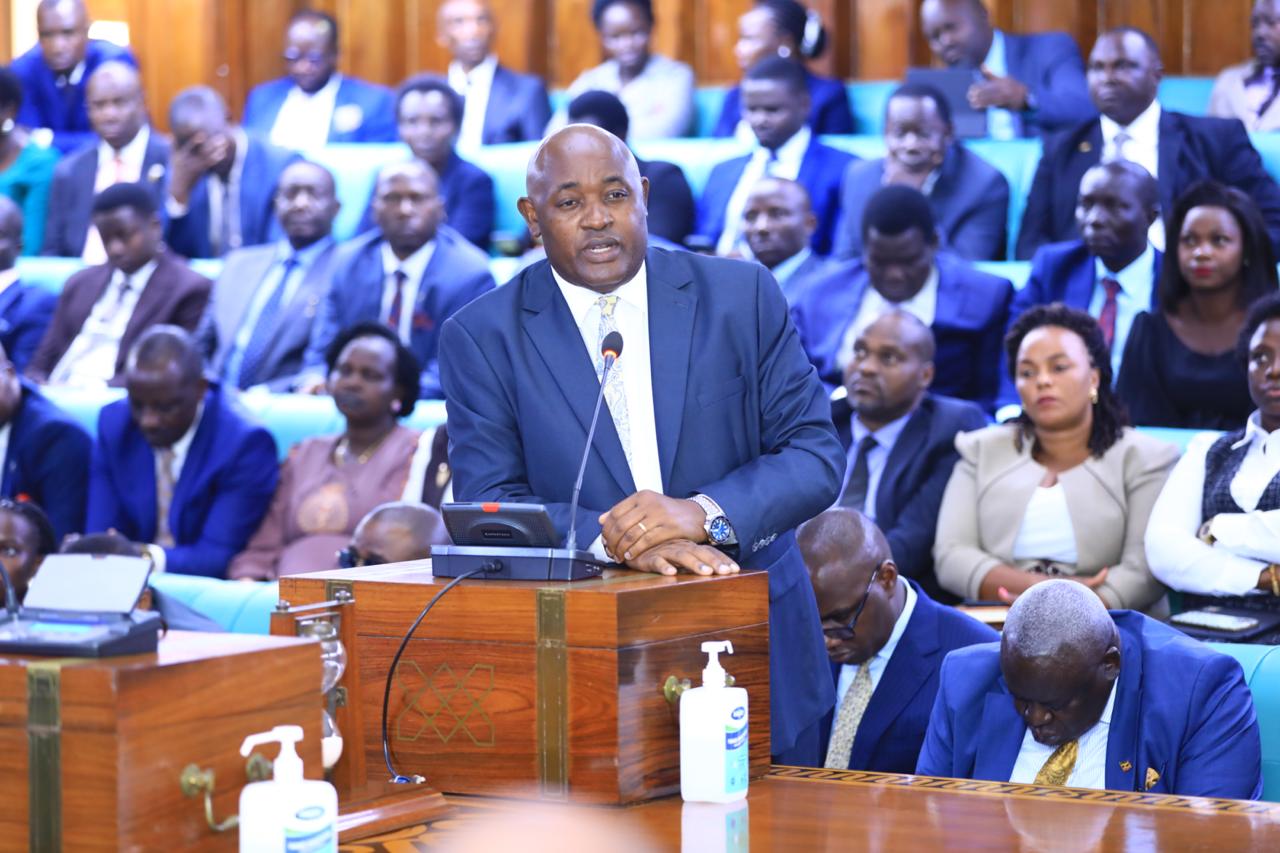
Leader of the Opposition Joel Ssenyonyi raised the issue on the Floor of Parliament, saying the medical association had also advised newly deployed interns not to report to their assigned health facilities until their grievances are addressed.
One of the major concerns is the lack of financial facilitation for medical interns, who are expected to meet costs such as transport, accommodation and food during their compulsory one-year internship.
Ssenyonyi said interns often work extended shifts, sometimes remaining on duty for as long as 48 hours, yet receive little or no support to meet the costs associated with their work.
He questioned why government was reluctant to facilitate the young health professionals who provide essential services in public hospitals and health centres as part of their training.
Responding to the concerns, Health Minister Dr Chris Baryomunsi said government was still consulting on the matter and needed additional time before making a final decision.
Baryomunsi explained that the disagreement was partly linked to a new policy governing health training, which covers both pre-service and in-service training, including medical internship.
According to the minister, graduates who are currently awaiting deployment are technically considered pre-interns. They become interns after reporting to their assigned health facilities and signing contracts with the respective hospital administrations.
He said the latest group had already been allocated to various facilities and was expected to report between August 3 and August 14.
Baryomunsi said he had held a six-hour meeting with about 60 representatives of the pre-interns, during which their concerns were discussed and acknowledged.
The minister said he had asked the graduates to report to their respective placements as consultations with government continue, warning them against calls to boycott their assignments.
He also rejected the suggestion that medical interns are solely responsible for keeping Uganda’s public health facilities operational.
Baryomunsi argued that hospitals and health centres continue to function even in the absence of interns, although he acknowledged that interns play an important role in service delivery while gaining experience required to become fully licensed medical professionals.
His remarks, however, triggered further debate among MPs, particularly over staffing shortages in regional referral hospitals.
Patrick Oshabe Nsamba, chairperson of Parliament’s Public Accounts Committee, said audits of regional referral hospitals had exposed serious shortages of health workers.
He told Parliament that some hospitals were operating with only between 23 and 27 percent of their approved staffing levels.
Nsamba said the staffing gaps explain why the public often views interns as the people effectively running some government hospitals.
He questioned whether government was giving adequate recognition to the services provided by interns while treating the internship mainly as a training arrangement.
The debate also highlighted concerns over the supervision of interns by senior medical personnel.
Baryomunsi said the Ministry of Health was considering measures to address what he described as cases of dual employment among some senior medical workers.
He claimed that some government-employed consultants spend limited time in public facilities because of commitments to private hospitals and other institutions, leaving interns to undertake substantial responsibilities with inadequate supervision.
The minister also referred to an earlier period when medical interns delayed reporting to their placements for several months.
He said an analysis by the Ministry of Health found that mortality rates at some health facilities declined during that period, which he attributed to senior health workers being more consistently present.
Deputy Speaker Thomas Tayebwa said the issue had attracted concern from MPs across the political divide and directed the Health Minister to expedite consultations.
Tayebwa asked Baryomunsi to present the matter to Cabinet and return to Parliament with a clear position.
He specifically directed the minister to raise the matter at the Cabinet meeting on Monday and brief Parliament on Tuesday.
Meanwhile, Baryomunsi maintained that the pre-interns should report to their assigned facilities as government works to resolve their concerns.
He said hospital directors would compile and submit a report on August 15 showing the number of newly deployed interns who had reported to their respective placements.
The dispute now places pressure on government to reach an agreement with the medical profession before the UMA ultimatum expires, with Parliament closely monitoring the outcome of the consultations.









 English