








Lenacapavir (LEN), a long-awaited injectable HIV preventive drug that gives protection for up to six months, has reached health facilities in Greater Masaka Region.

Health officials have confirmed that the region received a total of 140 doses at the time it registered over 8,000 new HIV infections. The doses were distributed in four of the five health facilities selected for the initial phase of distribution.
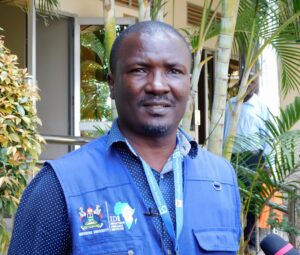
According to Robert Bbosa, a Biomedical Prevention Specialist at Infectious Disease Institute (IDI) – Makerere University, Masaka Regional Referral Hospital received 40 doses, Kasensero Health Centre III (30), Sembabule Health Centre IV (30), and Bukakata HCIII (40), while The Aids Support Organisation (TASO) is yet to receive their first doses.
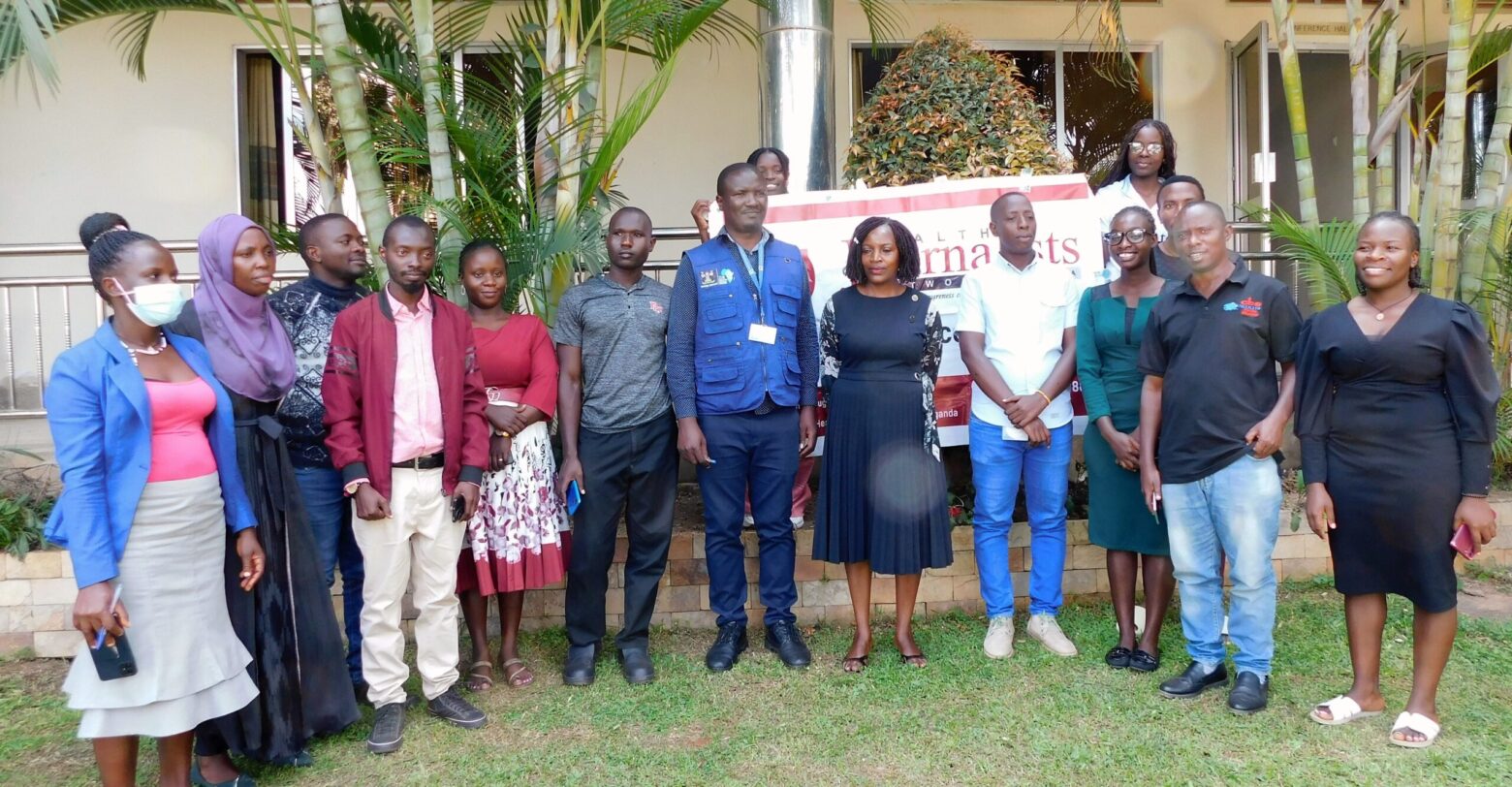
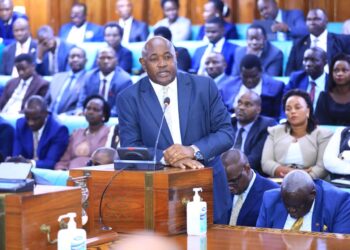
Bbosa told journalists at a Media Science Café organised by Health Journalists Network in Uganda (HEJNU) – Friday, that the supply has remained limited amid overwhelming demand.
In April, the government, through the Ministry of Health recceived 46080 doses through donor-supported international procurement channels. So far, 9,600 have been distributed to 100 hospitals and health centres (IIIs & IV) selected across the country as part of a phased rollout.
The allocations were made at the national level, and a few facilities were able to receive the drug. Under this arrangement, 26 health facilities, including five in Masaka and 21 in Wakiso district.
Currently, he noted, Sembabule and Kasensero experienced a drug stock-out two weeks ago. As of Friday, Masaka RRH and Bukakata had started dispensing their doses. “In the second phase (Phase II), the selected facilities will receive an additional 60 doses to boost uptake,” Bbosa said.
Masaka experienced initial delays due to internal clearance processes before the doses were released to the user departments, while Bukakata staff had to first be trained on how to dispense the drug.
“Now that the administrative delays have been sorted, we expect the uptake of the drug to improve because awareness has been raised in these facilities and communities,” he assured.
However, Bbosa further urged Ugandans to continue using other proven HIV protection methods amidst the national limited supply of the new injectable LEN.
“In the meantime, people should continue using Oral Pre-Exposure Prophylaxis (PrEP) or Post Exposure Prophylaxis (PEP) as they are also highly effective in reducing the risk of HIV infection, especially when used correctly and consistently,” he advised.
He also encouraged continued use of condoms and vaginal rings, while emphasising positive behavioural practices such as abstinence and being faithful to one partner.
New HIV Infections
According to Dr. Faith Nakiyimba, the Masaka District Health Officer (DHO), Masaka region registered 8,154 new infections in six months, including 4,814 female and 3,122 male, while 124 were children below 15 years. “We are optimistic that Lenacapavir will help reduce new infections but the doses are still few,” she said.
Since Masaka is a metropolitan district, it hosts a high-risk population of commercial sex workers, truck drivers, fishermen, and mobile communities, which makes HIV prevention efforts more challenging.
“Although we have a high uptake of oral PrEP, some clients drop off along the way. It’s because some people do not want to be seen carrying or swallowing oral tablets compared to the injectable preventive drug like LEN,” she added.

Nakiyimba said that the introduction of LEN in these facilities is part of the national and global ambition to eliminate new HIV infections by 2030.
She further added that many people have preferred LEN to oral PrEP, yet the doses are currently few. “I would like people to understand that the availability of LEN does not mean that Oral PrEP or event-driven PrEP are ineffective. They are still effective and people should not ignore them,” she explained.
According to Nakiyimba, between October and March 2025, a total of 1,612 people took oral PrEP, while 775 took event-driven PrEP in Masaka region. “These were initial doses and we are not certain whether they returned to collect more doses,” she noted.
Health Facilities Performance
According to Dr. Deo Kalinzi, the Sembabule HCIV In-charge, the facility finished its initial stock in early May when the demand for LEN exceeded the available supply. “Currently, we are registering those in need of the drug, and so far 40 clients have been placed on a waiting list,” he said.
Dr. Edward Muwanga, the Kyotera District Health Officer (DHO) conformed receiving the 30 doses at Kasensero HCIII but they ran out last week due to high demand. “The demand is too high due to awareness but the supply is limited,” he said.
Gonzaga Mutesasira, the Kasensero HCIII In-charge, said that the facility continues receiving clients seeking services despite the stockout. He noted that the health facility serves over 4050 people in Kasensero Town Council, including fishing communities and other populations at high risk of HIV infection.
“Only 30 people in the whole town council receive the doses. We hope the government provide additional supplies for more eligible clients to get the service,” he said.
Is Lenacapavir a Vaccine or a Drug
Dr. Nakiyimba explained that LEN is not a vaccine like the ones for polio, measles, tetanus, Hepatitis B etc.
“It is a long-acting injectable HIV preventive drug that gives protection against HIV infection for up to six months until the next dose and it primarily targets people who are HIV-Negative but at a high risk of infection,” she explained.
She added that LEN must be administered following the recommended schedule to remain effective.
Eligibility
Because LEN is an HIV preventive drug, it is not intended for people already living with HIV. Also, it is not recommended for individuals with severe Hepatitis, and those weighing under 35 kilograms.
“However, the rest are eligible for LEN uptake under the guidance of health professionals,” Bbosa stated.
UNAIDS June 2026 Report
Data collected by the Joint United Nations Programme on HIV/AIDS (UNAIDS) from countries show that HIV funding disruptions severely impacted HIV prevention, testing, critical interventions addressing barriers to services, and community-led services that reach the people most affected by HIV.
According to the latest UNAIDS 2026 Report, these funding shifts prompted countries to prioritise short-term domestic resource mobilisation to preserve essential HIV treatment services, which is a necessary first step in sustaining national HIV responses.
“Progress made to date on the HIV response is real and fragile. Without renewed commitment and action, we risk a resurgence of the epidemic,” says the report.
In 2025, HIV responses around the world were disrupted by shifts in funding that threatened to stall years of progress in the HIV response. In the same year, external financing for all development sectors fell by 23% compared with 2024.
END






 English