














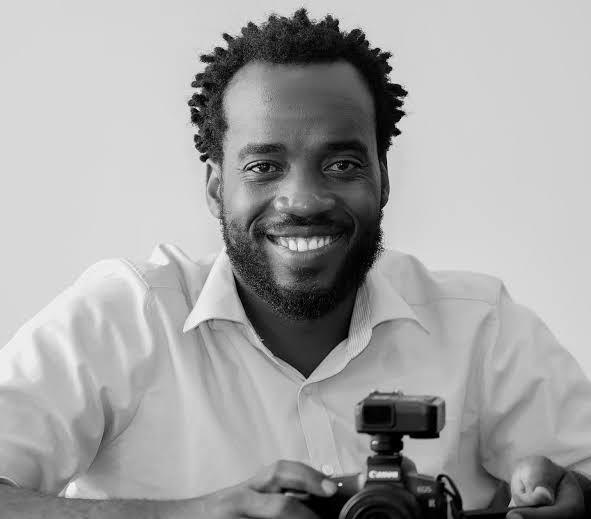
Uganda’s political opposition has raised alarm over what it describes as a renewed wave of state-linked abductions, following the reported daytime seizure of activist and photojournalist Andrew Natumanya, widely known as “Ninye Tabz,” from Kamwokya in Kampala on Tuesday.
Witnesses and opposition figures say Natumanya, a vocal anti-corruption whistleblower and supporter of the opposition, was intercepted by armed men and bundled into a white Toyota Hiace minibus commonly referred to in Uganda as a “drone” — a term widely used to describe unmarked vehicles allegedly operated by plainclothes security operatives during arrests.

The opposition National Unity Platform (NUP) swiftly condemned the incident, with its Secretary General David Lewis Rubongoya describing the abduction on social media platform X as part of an ongoing pattern of “lawlessness.” He said Natumanya had been taken from Kamwokya in broad daylight and whisked away without clear disclosure of his whereabouts.
Leader of the Opposition in Parliament Joel Ssenyonyi also decried the incident, calling it a continuation of what he described as senseless and targeted abductions of government critics. He demanded accountability for the repeated use of unidentified security-style operations against opposition-linked figures.
The latest reported abduction comes amid rising political tensions and growing scrutiny from both local and international observers over the treatment of opposition actors in Uganda. It follows closely on the heels of another controversial incident in which veteran lawyer and People’s Front for Freedom (PFF) president Erias Lukwago was reportedly picked up by armed operatives from his Wakaliga home.
Lukwago’s earlier detention was linked to allegations of misprision of treason, in a case involving opposition figures including Dr. Kizza Besigye, and reportedly involved operatives from the Special Forces Command under the leadership of Muhoozi Kainerugaba. He was later taken to police custody and remanded after briefly appearing in court.
Opposition leaders argue that the recurring pattern of unexplained arrests and transfers of political figures signals an escalation in state pressure on dissenting voices. They warn that such incidents, if unchecked, risk further undermining constitutional rights, due process, and political freedoms as the country moves closer to future electoral cycles.







 English