
















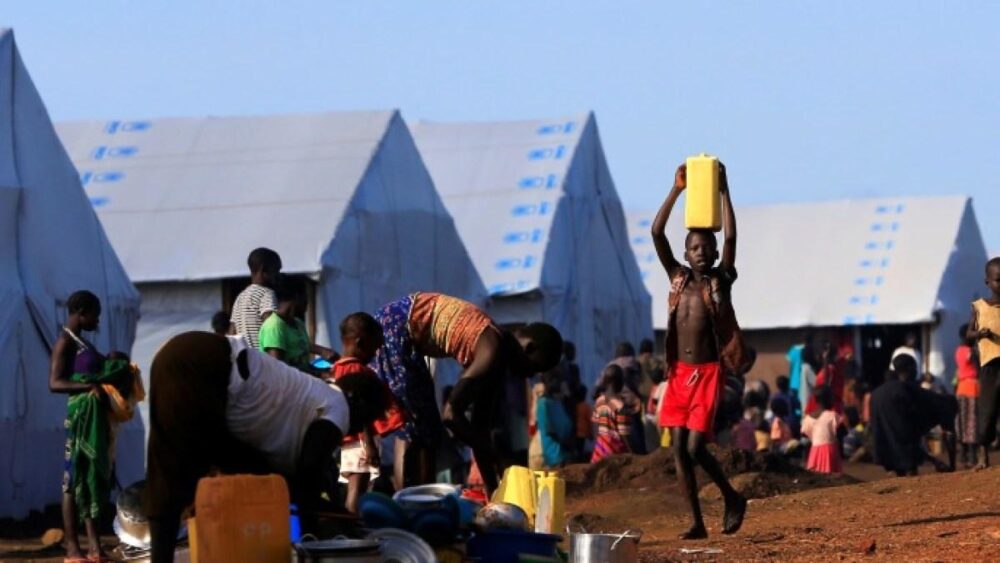
Nakivale Refugee Settlement in Isingiro District has recorded the highest number of Gender Based Violence (GBV) incidents in the second quarter of 2025, according to the latest United Nations High Commissioner for Refugees GBV Dashboard.
The data, compiled through the Gender Based Violence Information Management System (GBVIMS) across refugee-hosting regions, points to a continued rise in protection risks among displaced populations.

Across all refugee settlements, a total of 1,480 GBV incidents were reported in the second quarter. This reflects a 14% increase compared to the first quarter of the year. Overall, the cumulative number of cases has risen to 2,777, marking a 32% increase compared to the same period in 2024.
The report shows that psychological and emotional abuse accounted for 34% of reported cases, followed by rape at 24%. Physical assault stood at 22%, sexual assault at 18%, while other forms of violence made up 3%.
Humanitarian agencies have raised concern over shrinking funding levels, saying the gap is now affecting frontline response.
Rita Ntegyerize, Manager at Humanity and Inclusion, said staffing shortages remain critical, with caseworkers handling an average ratio of 1:80, far above recommended international standards.
She also noted that delays in reporting are undermining timely clinical and psychosocial interventions, increasing risks of HIV exposure and teenage pregnancies among survivors.
Vellah Mwakiire, Regional Commander of the Child and Family Unit, linked the rising cases to increased substance abuse in some communities.
She further observed that fear of reprisal continues to discourage survivors from reporting cases or pursuing justice, weakening accountability mechanisms.
Diana Musiime, a psychosocial officer with Humanity and Inclusion, urged a shift toward prevention driven approaches. She emphasized the need for community-based interventions, noting that reduced funding requires more sustainable and locally grounded solutions.
Musiime also called for stronger efforts to reduce economic dependency, which she said often increases vulnerability to GBV.
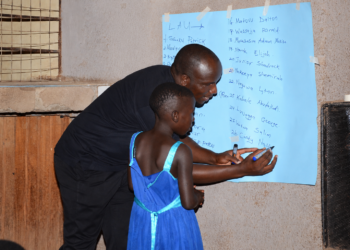
Rollin Okethi, a member of Humanity and Inclusion systems management team, said the Office of the Community Development Officer has intensified awareness campaigns across Isingiro District.
He noted that 49,926 individuals have been reached through GBV sensitization activities, describing it as a positive step toward prevention and community engagement.
What the Data Reveals
The continued rise in GBV cases in Nakivale highlights a deepening protection crisis within Uganda’s refugee response system. While awareness campaigns are expanding, the data suggests that prevention efforts are not yet matching the scale and complexity of the problem.
The dominance of psychological abuse also signals that many cases remain hidden or underreported until they escalate into physical or sexual violence.
The staffing gaps and high caseworker-to-survivor ratio point to an overstretched humanitarian system, raising questions about the quality and speed of response services.
Delays in reporting, as noted by field officers, further compound risks, particularly for survivors requiring urgent medical care such as post-exposure treatment and psychosocial support.
At a national level, the findings carry wider implications for Uganda’s refugee hosting model, which has long been praised for its openness and integration approach.
However, rising GBV trends may strain already limited social services in border districts and increase pressure on government and humanitarian partners to mobilize additional funding.
If unaddressed, the situation could also undermine progress in gender equality, child protection, and public health outcomes, especially in regions hosting large refugee populations.
The data reinforces the need for stronger coordination between government agencies, donors, and humanitarian actors, alongside increased investment in livelihood programs that reduce dependency and vulnerability among affected communities.










 English