


















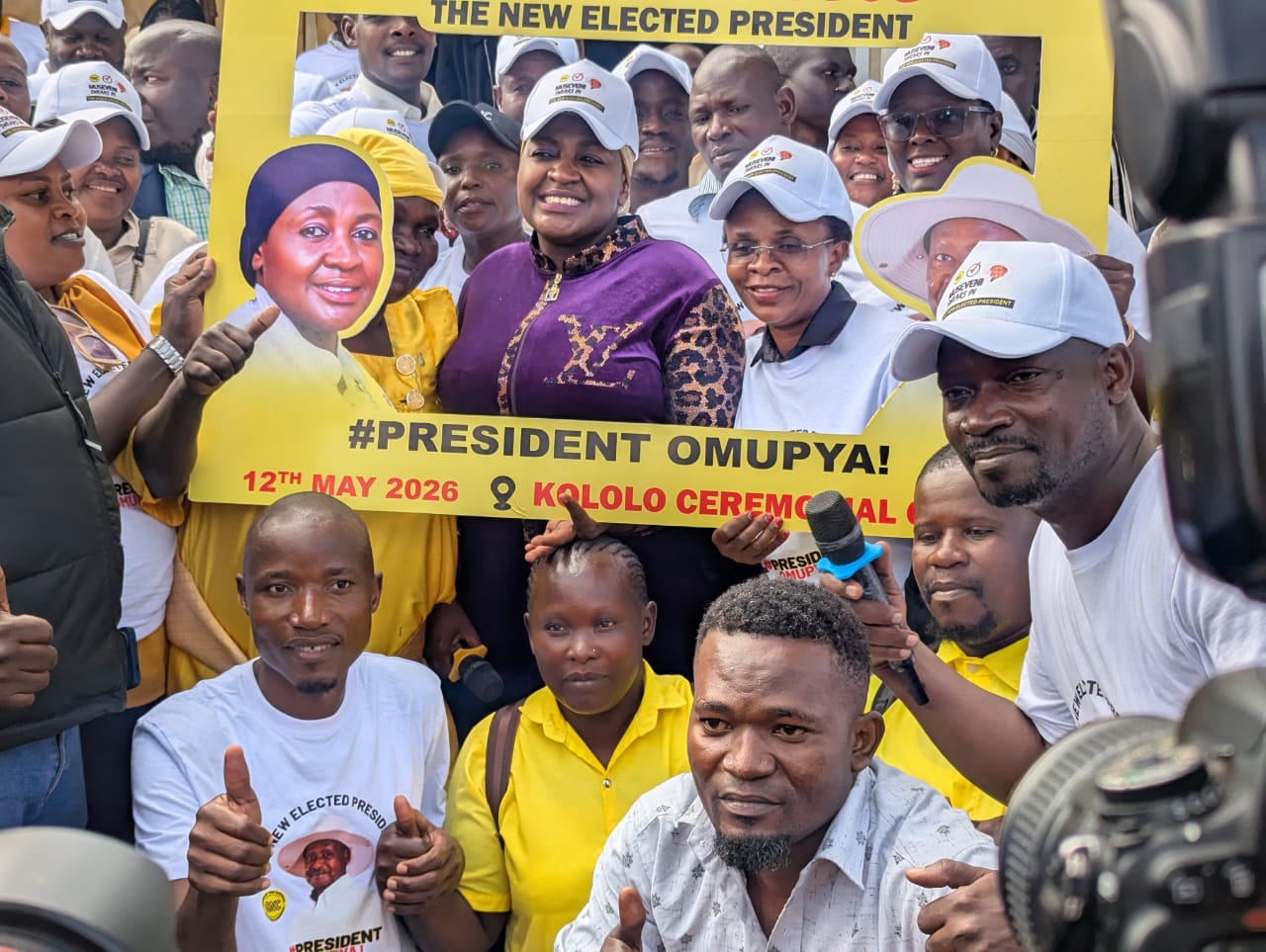
Senior Presidential Advisor and Head of the Office of the National Chairman, Hajjat Hadijah Namyalo, has urged government technocrats and implementing agencies to exercise greater caution in enforcement operations, warning that some actions are negatively affecting the livelihoods of ordinary Ugandans, particularly in urban areas.


Speaking ahead of the forthcoming swearing-in ceremony of President Yoweri Museveni, Namyalo expressed concern that ongoing urban enforcement drives and city clean-up exercises are inadvertently disrupting small businesses, many of which belong to beneficiaries of government empowerment programs such as the Parish Development Model (PDM).
She emphasized that while maintaining order in cities and promoting development remains important, it should not be pursued at the expense of vulnerable groups who depend on informal trade and small enterprises for survival.
“These are the same citizens we mobilized during elections. They are also beneficiaries of government programmes. When their businesses are disrupted or destroyed, we risk undermining the very vision of socio-economic transformation,” Namyalo said.
She pointed to young people and informal sector workers who have received startup capital, including sewing machines and PDM funding, noting that sudden or heavy-handed enforcement risks pushing many into unemployment and economic frustration.
Namyalo also raised concern over what she described as a disconnect between technocrats and political priorities, arguing that implementation strategies must align with the broader goal of improving household incomes and livelihoods.
“As leaders, we must always consider what people will eat and how they survive. Development should not become a source of suffering for the very citizens it is meant to uplift,” she added.
Uganda is preparing for a new presidential term, with the swearing-in ceremony scheduled for May 12, 2026, at Kololo Independence Grounds.
Namyalo called on all stakeholders involved in enforcement and service delivery to adopt a more people-centered approach, stressing that sustainable development must strike a balance between infrastructure improvement, urban order, and the protection of livelihoods—especially for the urban poor.











 English