















More than a year after Uganda’s Education Policy Review Commission submitted its long-awaited report, the Ministry of Education and Sports has not yet established a committee to begin the next stage of developing a new national white paper on education policy.
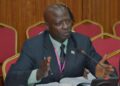

The commission, led by retired Colonel Amanya Mushega, was instituted in 2021 with a mandate to evaluate the education sector and propose reforms.
It completed its work and submitted its final report in February 2025, outlining wide-ranging recommendations intended to replace the long-standing 1992 Government White Paper on Education.
Under established procedure, the ministry is expected to appoint a technical committee to study the report, refine its proposals, and translate them into a draft white paper for Cabinet consideration.
That process has not yet begun, raising concern among stakeholders within the sector.
Officials within the Ministry of Education and Sports, who requested anonymity, say the delay is already beginning to affect policy direction.
They warn that ongoing reforms and regulatory decisions risk diverging from the commission’s proposals, creating possible inconsistencies once the new policy framework is eventually adopted.
One senior insider noted that internal discussions have repeatedly emphasized the need to fast-track the process, cautioning that current initiatives could later require significant revision to align with the forthcoming white paper.
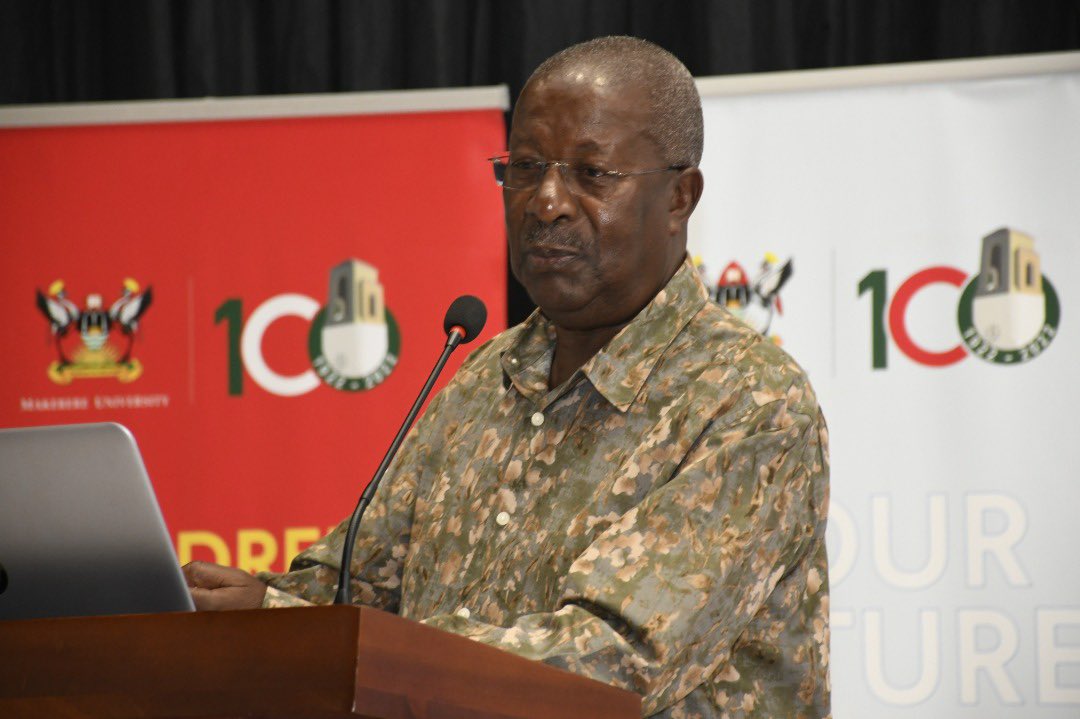
State Minister for Higher Education, John Chrysostom Muyingo, acknowledged the delay and said the matter has featured in several top management meetings.
He assured that the ministry remains committed to constituting the committee soon, stressing that the process is essential for guiding long-term reforms in the sector.
Ministry spokesperson Denis Mugimba also confirmed that preparations are underway to form the committee, although he did not provide a specific timeline.
He explained that the team will be selected based on expertise and that members of the original commission will not be included to ensure independence in reviewing the recommendations.
Addressing fears that the new white paper could disrupt existing policies, Mugimba said there is no reason for alarm, adding that current frameworks can be adjusted progressively to align with the final policy output when it is completed.
The delay comes despite earlier expectations that the white paper process would move swiftly after submission of the report.
The Education Policy Review Commission itself experienced extended timelines, stretching far beyond its original one-year mandate due to funding constraints and operational interruptions.
The Mushega-led commission’s report presents an extensive reform blueprint, including proposals for a competence-based curriculum, stronger integration of vocational and academic learning, and reforms in teacher training, governance, and education financing.
It also calls for increased investment in the sector and greater emphasis on digital skills, literacy, numeracy, and cultural values.
While some education analysts have described the recommendations as potentially transformative, similar to reforms seen in countries like Finland, concerns remain over Uganda’s historical challenges in implementing major policy documents.
The 1992 education white paper, which currently guides the sector, has seen only partial implementation of its recommendations over the decades due to funding limitations, institutional capacity gaps, and shifting government priorities.
With the new review process yet to begin, education stakeholders warn that continued delays could slow down urgently needed reforms in a sector still grappling with quality concerns despite progress in expanding access through universal education programmes.







 English