
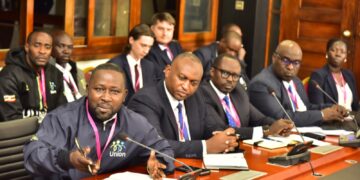













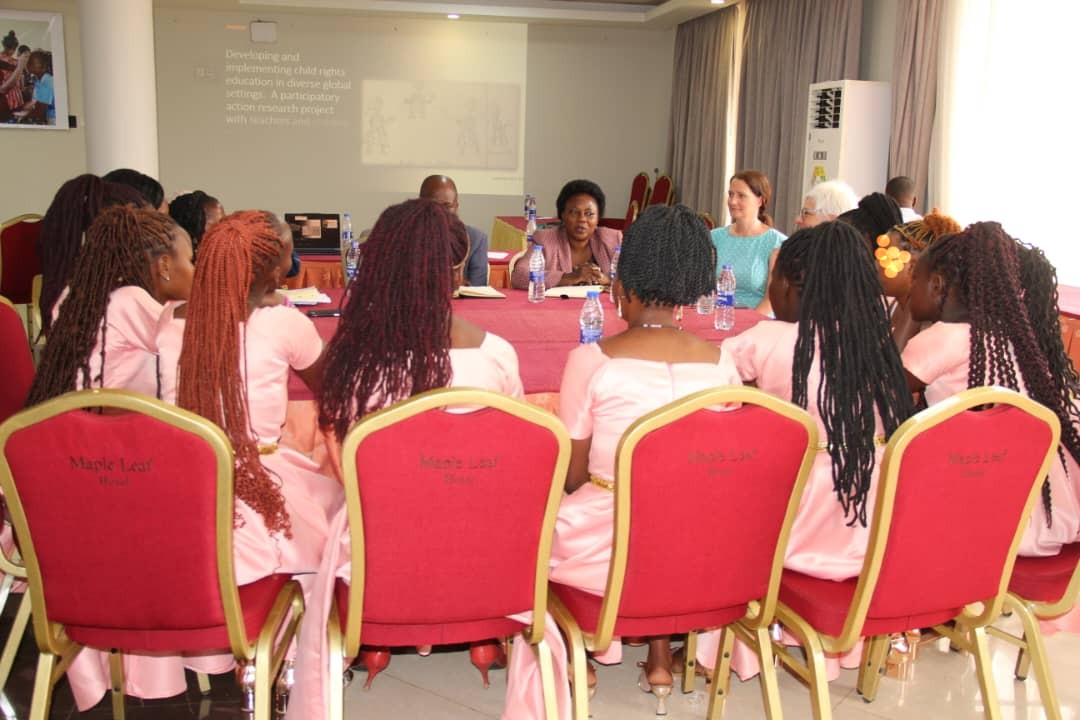
In a powerful display of research-driven community transformation, two major research projects aimed at supporting young mothers and promoting children’s rights were showcased at a vibrant conference held at the Maple Leaf Hotel in Masaka City.
Bringing together government officials, educators, researchers, and community members, the event served as a platform to share the tangible outcomes of the initiatives.


Both projects operate in Uganda and Canada and are already reshaping lives on the ground.
The first initiative, A Pandemic Recovery Response: Expanding Opportunities for Young Ugandan Mothers, was launched in October 2023 in the aftermath of the COVID-19 pandemic and concluded in April 2025.
It targeted young mothers whose futures had been upended by the global crisis.
“Many of these girls were deemed ‘spoilt’ and cast aside,” said Jean Mary Wendo, a youth and adolescent life skills facilitator from Uganda. “But they are not the problem.
They are victims who need support to reclaim their dignity and potential,” she added.
The program began with eleven participants, of whom eight completed the full training.
This included emotional counseling led by counselor Hadijah Matovu, as well as life skills and vocational training in tailoring and hairdressing.
The training took place at a community resource centre where the mothers lived with their babies.
Graduates received not only certificates but also startup tools to launch their own businesses.
“This program has changed my life,” one young mother testified. “Now I have confidence, and I can earn money to take care of my child.”
The second initiative, Child Rights Education in Diverse Global Contexts and Times of Crises, is a five-year project running from 2022 to 2027.
It involves 19 schools in Uganda and Canada and seeks to instill a deep awareness of children’s rights through creative and child-friendly learning methods such as drama, music, storytelling, and art.
In Uganda, children are learning about their right to safety, education, food, and play, and how to speak up about issues like violence and neglect.
“We didn’t realize that some of our teaching methods were violating children’s rights,” admitted one Ugandan teacher. “Now, we talk to our students with more respect.”
Canadian classrooms, though diverse and often pressed for time, are also incorporating child rights education through discussions and cultural activities.
Leading the charge in both initiatives is Royal Roads University, the principal academic institution overseeing the research.
Professors Shelley Jones (PhD) and Kathleen Manion (PhD) serve as the Principal Investigators (PIs), providing strategic direction and ensuring the integrity and impact of the work.
The projects represent collaborative efforts with key partners, including Gulu University, the Tekera Resource Centre, and the International Institute for Child Rights and Development (IICRD). Funding is provided by the Social Sciences and Humanities Research Council of Canada.
Community and Government Voices Join In
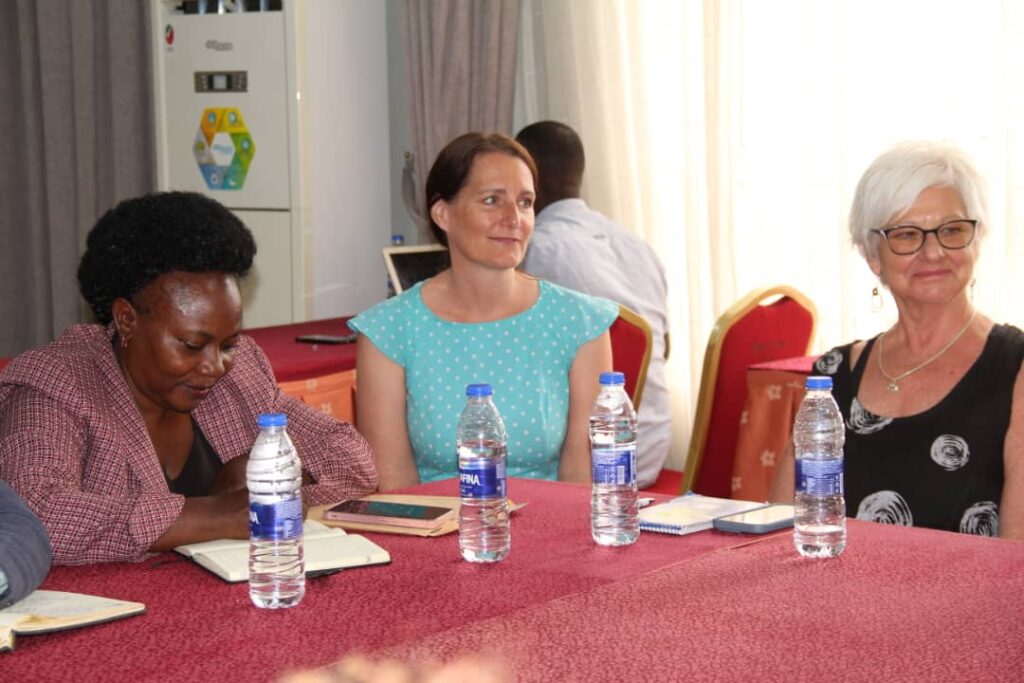
Government officials at the conference in Masaka voiced strong support for the initiatives and emphasized the urgency of addressing persistent societal challenges, particularly the high rate of teenage pregnancies.
Harriet Ssenkaali, Commissioner in Uganda’s Department of Private Schools and Institutions, noted the staggering impact of the COVID-19 lockdown.
“During that period, 335,000 child pregnancies were recorded, many while the girls were in their own communities. This speaks to major gaps in child upbringing and community protection,” the commissioner noted.
She urged communities to avoid stigmatizing young mothers, emphasizing that many are exploited due to unmet basic needs and family hardships.
Masaka Resident District Commissioner Billy Janet Mulindwa praised the projects and pledged to connect the beneficiaries with government programs such as the Parish Development Model and the Youth Livelihood Programme.
Meanwhile, Joseph Lutaaya, the Masaka District Inspector of Schools, celebrated the transformation in classrooms. “Before, our teachers focused only on exam content.
Now, life skills and health education are part of daily teaching. Teachers are even gaining computer literacy,” he said. “This is a life-changing initiative that should be scaled across more districts.”
A Vision for the Future
The conference did more than present statistics. It told stories of real people transformed, of young mothers turning trauma into entrepreneurship, of children confidently speaking up, and of educators creating safer, more respectful learning environments.
The researchers involved called for the integration of child rights education into Uganda’s national curriculum, the use of creative teaching methods, and the improvement of school infrastructure, including access to clean water and nutritious meals.
These two projects demonstrate what is possible when academic research, community action, and government support converge.
In a time marked by global crises and local challenges, they offer a hopeful roadmap for building a more inclusive, empowered, and caring society—one mother, one child, and one classroom at a time.






 English