
















Uganda is making steady progress in improving newborn survival, but health experts warn that many lives are still being lost due to preventable causes, especially in the critical moments immediately after birth.
A 2026 report by the United Nations ranks Uganda among the best-performing countries in East and Southern Africa in improving infant survival.


At the same time, data from the Ministry of Health Uganda shows a 22 percent reduction in maternal deaths between 2025 and 2026, signaling significant progress in maternal and child health.
Despite these gains, experts say the country must now shift its focus from increasing access to improving the quality of care provided to mothers and newborns.
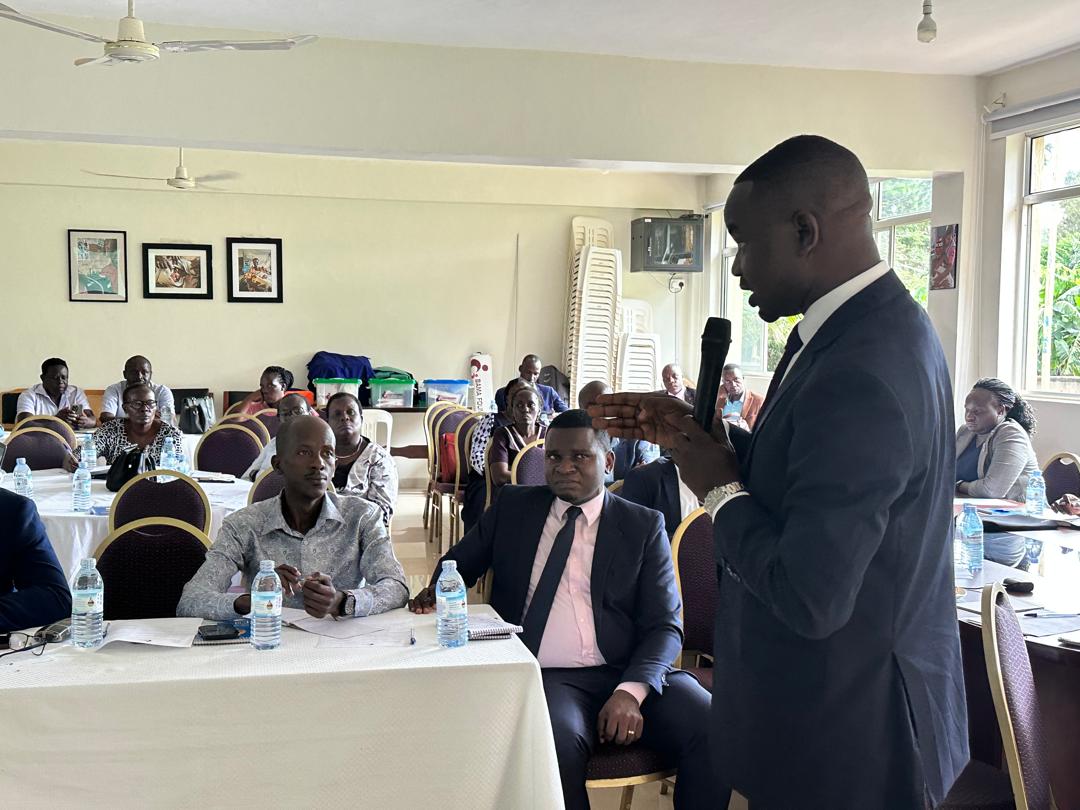
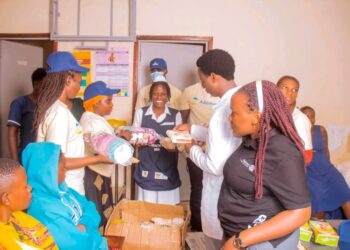
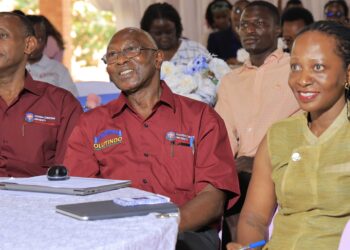
This message took center stage during the commissioning of neonatal care equipment in the Greater Masaka region on April 14, where government officials, district leaders and development partners gathered to strengthen frontline services.
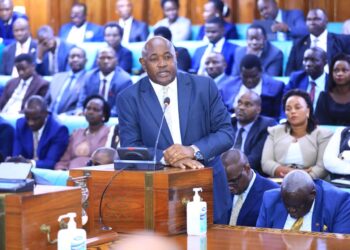
Speaking at the event in Masaka City, Commissioner for Reproductive and Maternal Health, Richard Mugahi, emphasized that survival often depends on the first minutes of a baby’s life.
He explained that how a newborn is received, handled and supported immediately after delivery plays a decisive role in whether the child survives.
Simple interventions such as keeping the baby warm, clearing airways and initiating breastfeeding within the first hour can significantly reduce deaths.
Failure to take these steps, he warned, exposes newborns to infections, breathing complications and long-term developmental challenges.
To address these gaps, health facilities across the region received specialised neonatal equipment, including incubators, oxygen concentrators, phototherapy machines, infant warmers and ambubags.
The equipment is expected to improve care for premature and high-risk babies.
Martin Kasendwa, Technical Director at Babies and Mothers Alive, said the consignment, valued at over Shs800 million, would transform newborn care in the region.
He noted that premature babies require controlled temperatures, assisted breathing and close monitoring to survive, stressing that such equipment is essential rather than optional.
However, he cautioned that equipment alone is not enough to address the challenges facing newborn care.
Kasendwa urged districts to ensure that trained personnel are assigned to neonatal units and retained, warning that frequent transfers disrupt continuity of care and undermine progress.
Health experts also pointed to key drivers of premature births, including maternal infections, poor nutrition, teenage pregnancies and conditions such as high blood pressure.
Many of these, they said, can be prevented through early antenatal care and increased community awareness.
Dr Mugahi called on health workers to extend their efforts beyond health facilities and actively engage communities.
He stressed the importance of discouraging home deliveries without skilled support, noting that many complications arise when mothers fail to seek timely medical care.
However, several systemic challenges continue to threaten progress.
In Rakai District, Happy Turinawe highlighted gaps such as the lack of a Health Centre IV in Buyamba Constituency and the absence of ambulances for emergency referrals, which often leads to dangerous delays for mothers and newborns in distress.
Similarly, Moses Kafumbe raised concern over the continued reliance on traditional birth attendants, warning that deliveries conducted outside health facilities increase the risk of complications.
Human resource challenges remain another major concern. Dr Mugahi acknowledged issues of understaffing and absenteeism among health workers, warning that stricter measures would be enforced to ensure accountability.
He said the government is working towards strengthening staffing levels, with a target of achieving at least 55 percent fulfilment of the national health workforce structure by 2030.
Despite these challenges, stakeholders say the progress made so far demonstrates that targeted investments are yielding results.
Health facilities that have received equipment and training are already reporting improved outcomes for newborns.
Participants at the event commended Babies and Mothers Alive and other partners for their continued support, noting that lasting change will depend on a combination of proper equipment, skilled personnel and strong community engagement.
As Uganda builds on these gains, experts agree that the next phase will require a sharper focus not just on saving lives, but on ensuring that every child is given a safe and healthy start from the very first breath.








 English