














MASAKA, In the lush, rolling hills of the Greater Masaka region, coffee has long been more than just a crop—it’s a tradition, a livelihood, and increasingly, a pathway to reclaiming family stability and prosperity.
At the heart of this transformation is a growing call for men, particularly those in the Masaka Diocesan Men’s Guild, to embrace coffee farming not just as a source of income, but as a moral and social responsibility.


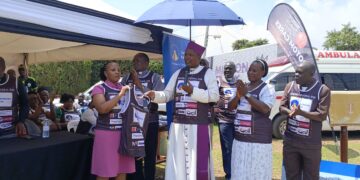
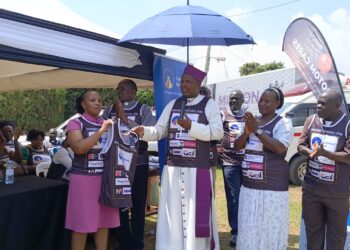
This message rang loud and clear on Sunday, May 4th, 2025, during the Masaka Diocese Men’s Guild Day held in Birinzi, Bukulula denary.
Clergy and civic leaders took to the podium to urge men to return to their roots—literally—by investing in coffee farming as a tool for personal redemption and family upliftment.
“Many men have become refugees in their own homes—physically present but emotionally and financially absent,” lamented Rev. Fr. Simon Peter Kamulegeya, the Guild’s chaplain.
“Embracing coffee farming is not only about money; it’s about taking responsibility and restoring dignity.”
The Men’s Guild, under the leadership of Christopher Kalemba, used this year’s gathering as a platform to challenge absenteeism and neglect that plagues many homes.
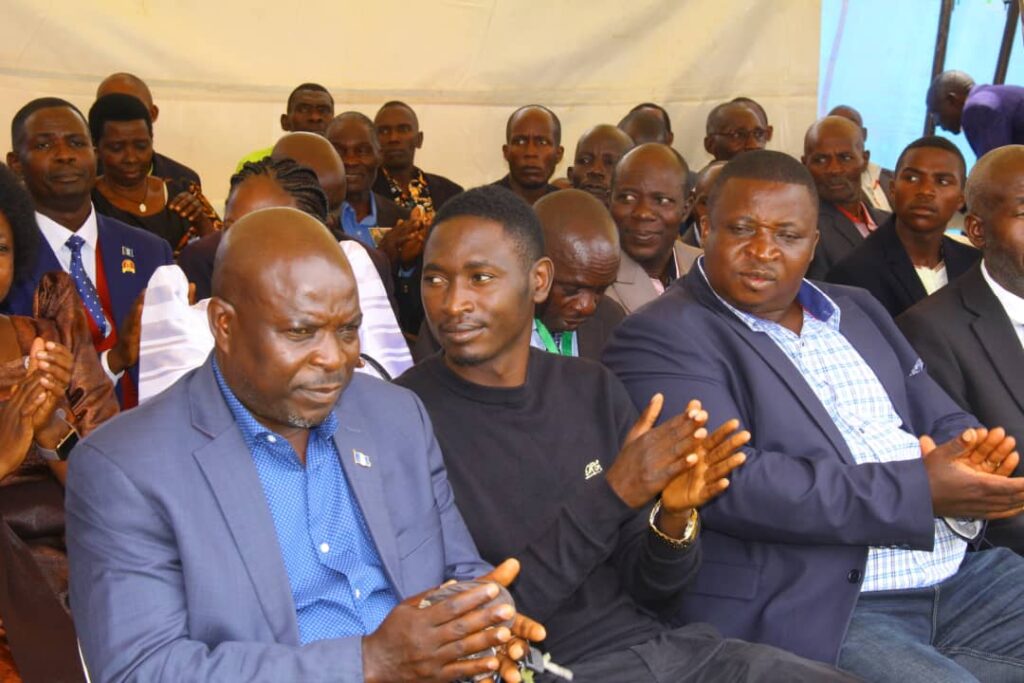
“We are here to rehabilitate and empower men to step back into their roles with accountability,” Kalemba emphasized.
The call to action goes beyond rhetoric. Uganda’s Ambassador to Algeria, Alintuma Nsambu, proposed a tangible goal: “Every man should plant at least 100 coffee trees. It’s a seed of prosperity, a symbol of commitment to family and community.”
Former Defense Minister and senior presidential advisor Vincent Bamulangaki Ssempijja, a longtime champion of agricultural development, reflected on how coffee farming has been central to Uganda’s economic strategy.
“We started promoting coffee production in the early 2000s, and today, it’s a pillar in the NRM manifesto. Coffee is more than a crop—it’s a life changer.”
Indeed, the Greater Masaka region, which forms a large part of the Masaka Diocese, produces approximately two million bags of coffee annually.
Around 400,000 households are involved in the trade, primarily cultivating Robusta coffee.
An increasing number of farmers are switching to Fine Robusta, a premium variety with higher market value.
But despite this economic potential, many families remain on the sidelines.
Limited access to land and a lack of engagement from men—many of whom neglect family responsibilities—are persistent barriers.
This is where the church and community leaders see an opportunity for cultural and economic revival.
Regina Kitaka, head of laity in the diocese, emphasized that empowering families starts at home.
“Men must provide basic needs and participate in church programs. It’s a holistic approach: spiritual, economic, and social.”
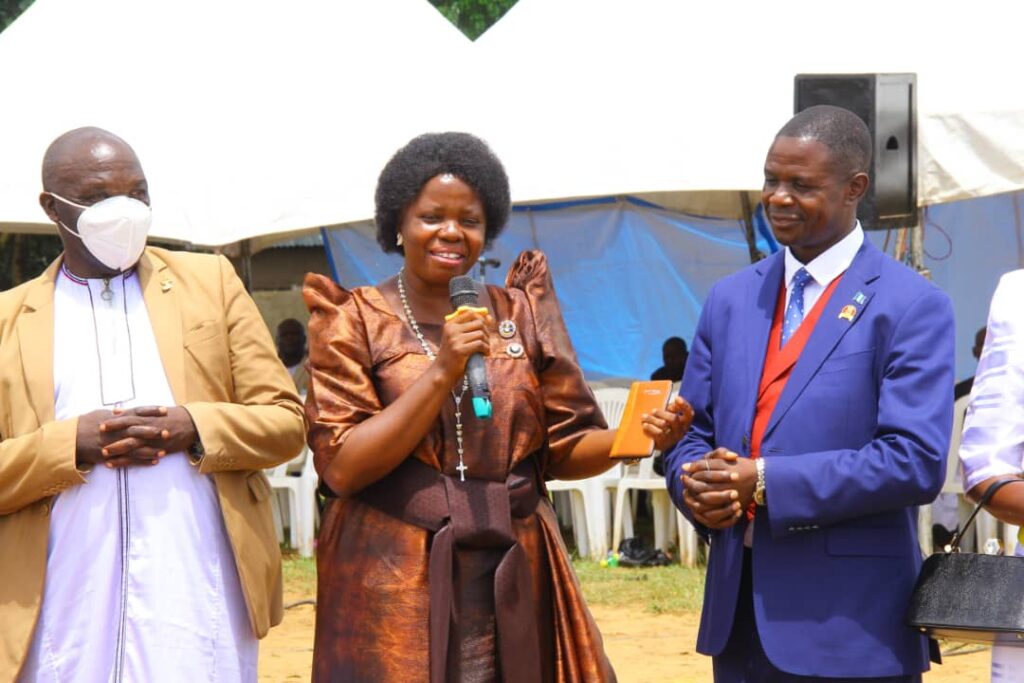
Engineering consultant and cultural leader Owek. Eng. Ronald Bbaale Mugera called on men to instill values like humility, leadership, and innovation in their children.
“A community thrives when families are strong, and families are strong when men lead with purpose.”
As Masaka Diocese rallies its men to turn over a new leaf—perhaps one from a coffee tree—the message is clear: cultivating coffee can be more than just farming. It can be a path toward healing homes, reviving communities, and building a legacy of hope.





 English