









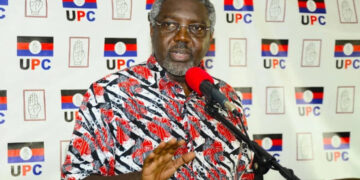


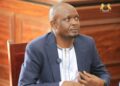
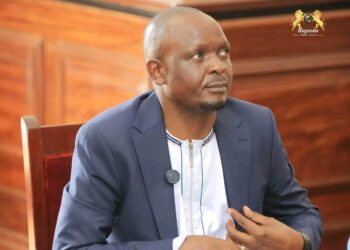
Former Minister and veteran politician Professor Tarsis Kabwegyere has raised concerns about Uganda’s political direction, warning that the country could experience unexpected developments if its current political challenges are not addressed. Speaking during an interview on NBS Faceoff, Kabwegyere observed that several things were not going as they should in the country’s governance and called for urgent national dialogue to help Ugandans find common ground on the way forward.
Drawing from his long political experience, Kabwegyere reminded the public of his involvement in the historic Moshi Conference of March 1979, which brought together Ugandan exiles opposed to the government of Idi Amin. He said the experience taught him the importance of bringing people with different political opinions together to discuss the future of their country rather than allowing disagreements to escalate into deeper national divisions.

The former minister believes Uganda has reached a moment when leaders from both the ruling government and opposition need to reconsider their positions and embrace meaningful discussions. He argued that political differences should not prevent national leaders from sitting around the same table to identify solutions to the challenges facing the country and its population.
Kabwegyere also defended the ongoing dialogue initiative associated with General Salim Saleh and Professor Ogenga Otunnu, arguing that the process deserves an opportunity despite concerns about its direction and structure. He suggested that even if some aspects of the initiative remain unclear, it could provide an important starting point for broader national engagement, especially since Ugandans are increasingly calling for an inclusive conversation about their country’s future.

However, the veteran politician expressed particular concern about what he described as growing confidence among some political actors that the ruling establishment is too powerful to face unexpected political developments. He cautioned against assuming that political dominance and control of state institutions automatically guarantee permanent stability, warning that ignoring public concerns could create consequences that leaders might not anticipate.

To illustrate his argument, Kabwegyere referred to Uganda’s history under former President Milton Obote, recalling how some members of the then-ruling UPC allegedly underestimated public dissatisfaction and believed their political position was secure. He warned today’s leaders against allowing power, influence and control of security institutions to create a false sense of permanence while citizens continue to demand answers and meaningful political change.
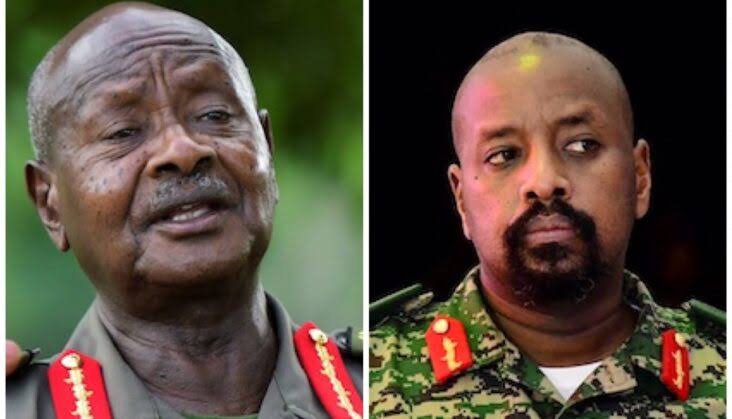
Another issue he addressed was the growing debate surrounding General Muhoozi Kainerugaba’s presidential ambitions. Kabwegyere questioned arguments suggesting that Muhoozi should automatically become Uganda’s next president because he is President Museveni’s son. He maintained that leadership should not be treated as an inheritance, warning that accepting such an arrangement would raise serious questions about the country’s democratic principles and political future. He also revealed that family members had advised him to exercise caution when discussing the Chief of Defence Forces publicly.
In his closing remarks, Kabwegyere suggested that the fear surrounding open political discussions may not remain sustainable if citizens continue demanding greater freedom and participation in national affairs. His message was that Uganda needs more than political dominance or isolated negotiations; it needs a credible national conversation that brings different voices together. As debate over the country’s future continues, his warning has added fresh attention to the question of whether meaningful dialogue can help address the political concerns being raised by Ugandans.





 English
