















The government has announced plans to halt public financing for the majority of national public holiday celebrations starting in the 2026/27 financial year, in a move aimed at cutting recurrent expenditure and redirecting resources toward wealth creation initiatives and other key development priorities.
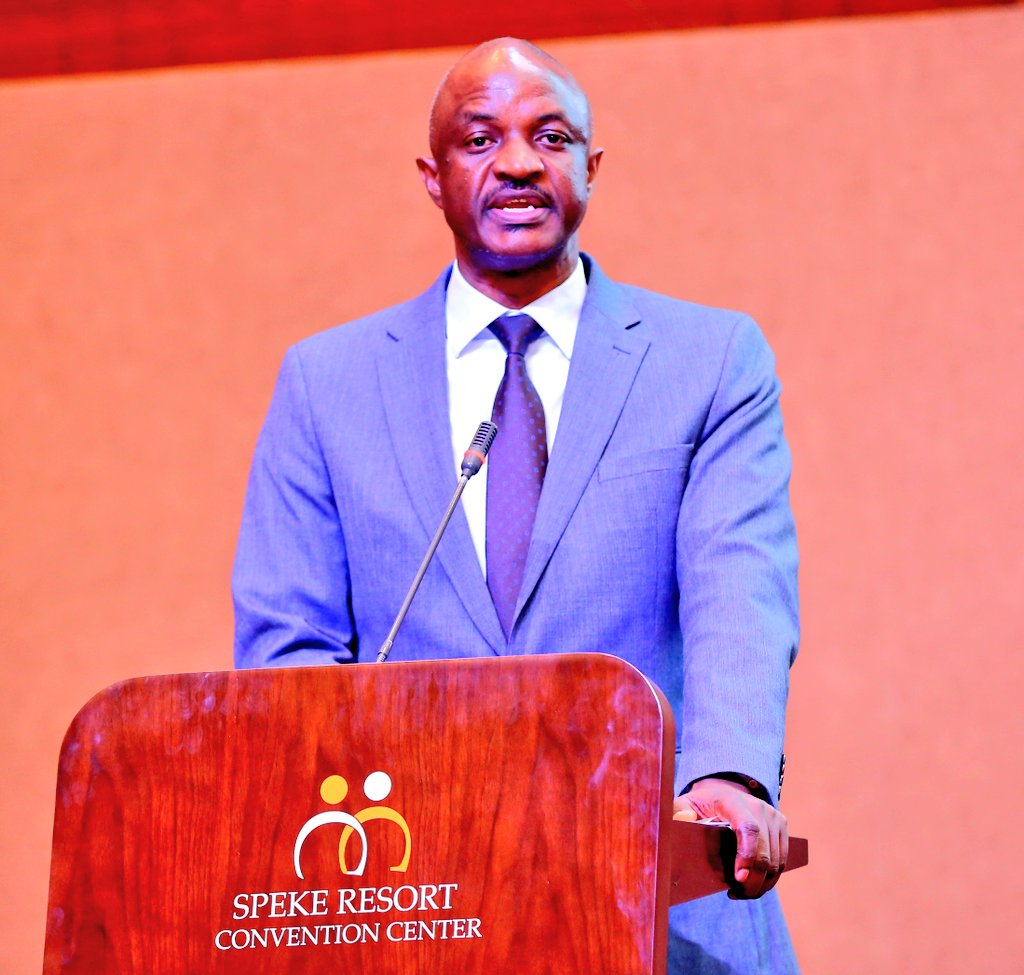
The announcement was made by Permanent Secretary and Secretary to the Treasury, Dr Ramathan Ggoobi, who said the policy shift forms part of broader efforts to streamline government spending and improve the efficiency of public resource utilisation.


For many years, billions of shillings have been allocated annually to organise national commemorations such as Independence Day, Heroes Day, Labour Day, International Women’s Day, NRM Liberation Day, and other official observances. The events have traditionally involved significant logistical expenditure, including transport, accommodation, security operations, tents, entertainment, and public address systems.
Uganda currently marks 14 gazetted public holidays each year, covering both religious and national commemorations. However, concerns have increasingly emerged among economists and policy analysts over the high cost of staging large public ceremonies for statutory holidays at a time when government faces growing pressure to finance critical economic and social programmes.
In a statement shared through the Ministry of Finance’s official X platform, Dr Ggoobi revealed that government-sponsored celebrations for most public holidays would be phased out beginning with the next financial year.
Under the new arrangement, President Yoweri Museveni is expected to address the country through televised and radio broadcasts from State House instead of presiding over large public gatherings held in different parts of the country.
The Treasury chief explained that only a few major religious observances are likely to continue receiving direct government support, while most statutory commemorations will be handled through less costly alternatives.
According to Dr Ggoobi, the funds that would have been spent on organising national events will instead be channelled into programmes intended to spur economic growth, boost household incomes, and support government’s wider agenda on wealth creation.
The decision comes as government finalises preparations for the 2026/27 national budget, which is due to be tabled before Parliament on June 11, 2026. Officials have already indicated that the upcoming budget will prioritise sectors such as industrialisation, export promotion, infrastructure development, investment attraction, and other interventions aimed at accelerating socio-economic transformation.
If implemented fully, the policy will significantly alter how Uganda commemorates national events, shifting away from expensive public celebrations toward more modest and cost-effective engagements.







 English