











By Denis Mukisa
The ruling National Resistance Movement (NRM) has emerged as the dominant political force in the recently concluded Local Council One (LC1) elections in Kayunga Town Council, securing 11 of the 19 village chairperson positions.


Independent candidates won the remaining eight seats. According to local party leaders, most of the successful independents are aligned with the NRM, while the opposition National Unity Platform (NUP) did not win any village chairperson seat within the town council.
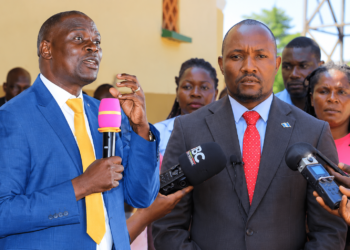
Kayunga Town Council NRM Chairperson Alex Kasiriivu described the outcome as a major political comeback for the ruling party, saying it reflected renewed public confidence in its leadership.
“This victory is a sign that the people appreciate the work of the NRM. It also marks the revival of our party in an area that had increasingly leaned towards the opposition. We worked together as a team, and that unity has paid off,” Kasiriivu said.
Despite celebrating the results, Kasiriivu expressed concern over the increasing trend of voters demanding money from candidates before casting their votes. He warned that the practice could undermine democratic principles by encouraging the election of leaders based on financial influence rather than competence.
“When voters prioritize money over a candidate’s ability to lead, they risk electing people who cannot effectively address the needs of their communities,” he said.
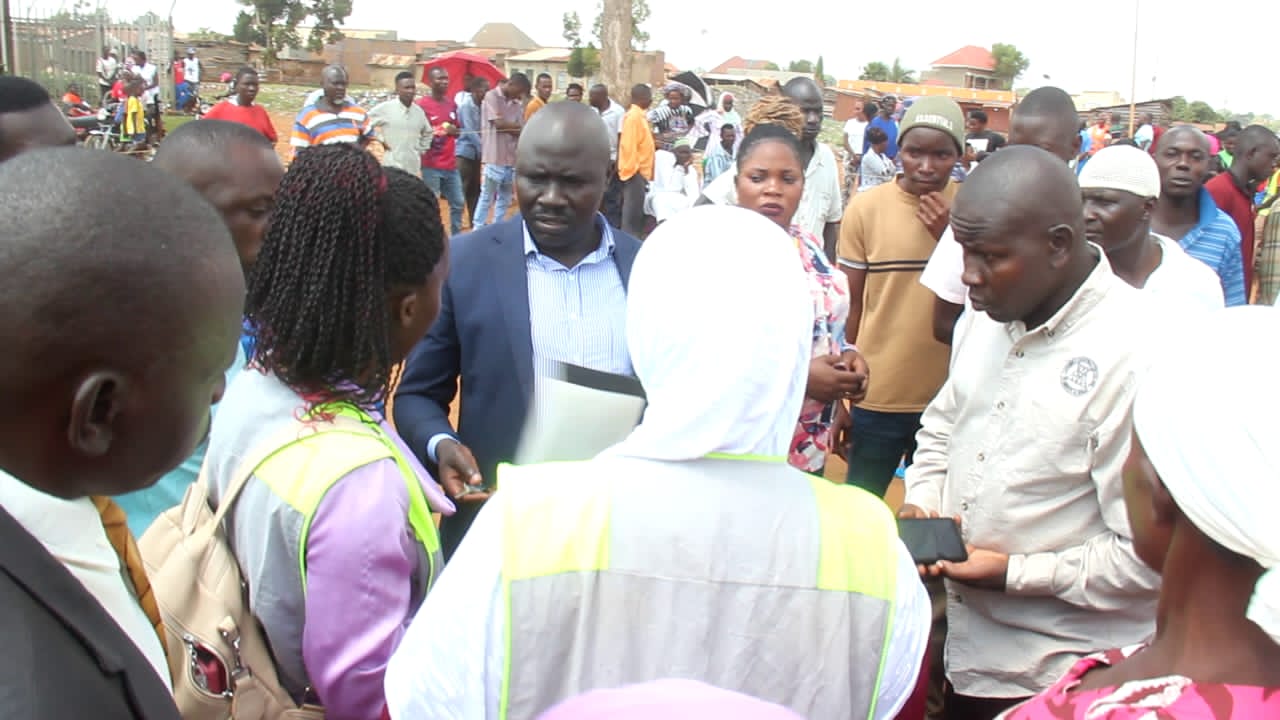
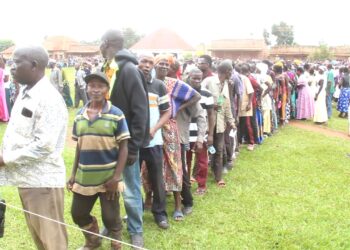
Kayunga Deputy Resident District Commissioner John Lukooki Magezi described the elections as largely peaceful, noting that residents turned out enthusiastically to choose their village leaders.
However, he raised concerns about irregularities in the voters register, saying it contained names of people who do not reside in the villages where they voted.
“How can village chairpersons effectively lead people who do not even live in their villages? These are issues that must be addressed,” Magezi said.
He added that security agencies would compile reports and complaints from the elections to help improve future electoral exercises.
Magezi also confirmed that isolated incidents of violence were reported at some polling stations. Election officials were allegedly assaulted in Kyerima, while disruptions were also recorded in Asoni Kaggwa Zone and a few other villages before police intervened to restore calm.
Among the successful independent candidates, Patrick Mukalazi Kizito, who was elected LC1 chairperson for Ggaaza Village, pledged to work closely with residents to promote development and strengthen community participation in government programs.
Frank Kanamwanje, the newly elected chairperson for Asoni Kaggwa Zone in Bukolooto, made a similar commitment, saying he would prioritize youth mobilization and encourage residents to benefit from government development initiatives.
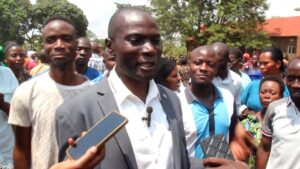
Meanwhile, NRM sources indicated that the party also performed strongly across the wider Kayunga District, winning the majority of LC1 chairperson positions in the elections.
Despite the generally peaceful conduct of the polls, some residents questioned the fairness of the exercise. They alleged that certain polling officials openly favored particular candidates, raising concerns about the impartiality of the electoral process.
Kayunga District Election Officer Elizabeth Namirembe confirmed that her office had begun receiving complaints arising from the elections. She said the verification process was still ongoing and that the total number of complaints had not yet been established by press time.
The LC1 elections are regarded as the foundation of Uganda’s local governance system. Village chairpersons play a central role in resolving community disputes, mobilizing residents for development initiatives, coordinating government programs, and serving as the first link between communities and higher levels of government.
The outcome in Kayunga Town Council highlights the NRM’s renewed grassroots strength while also underscoring concerns raised by stakeholders over voter registers, election administration, and the integrity of local electoral processes.







 English