

















President Yoweri Kaguta Museveni has directed Resident District Commissioners (RDCs) and Resident City Commissioners (RCCs) to take immediate action against suspected corrupt individuals where credible evidence has been established and lawful grounds for arrest exist.
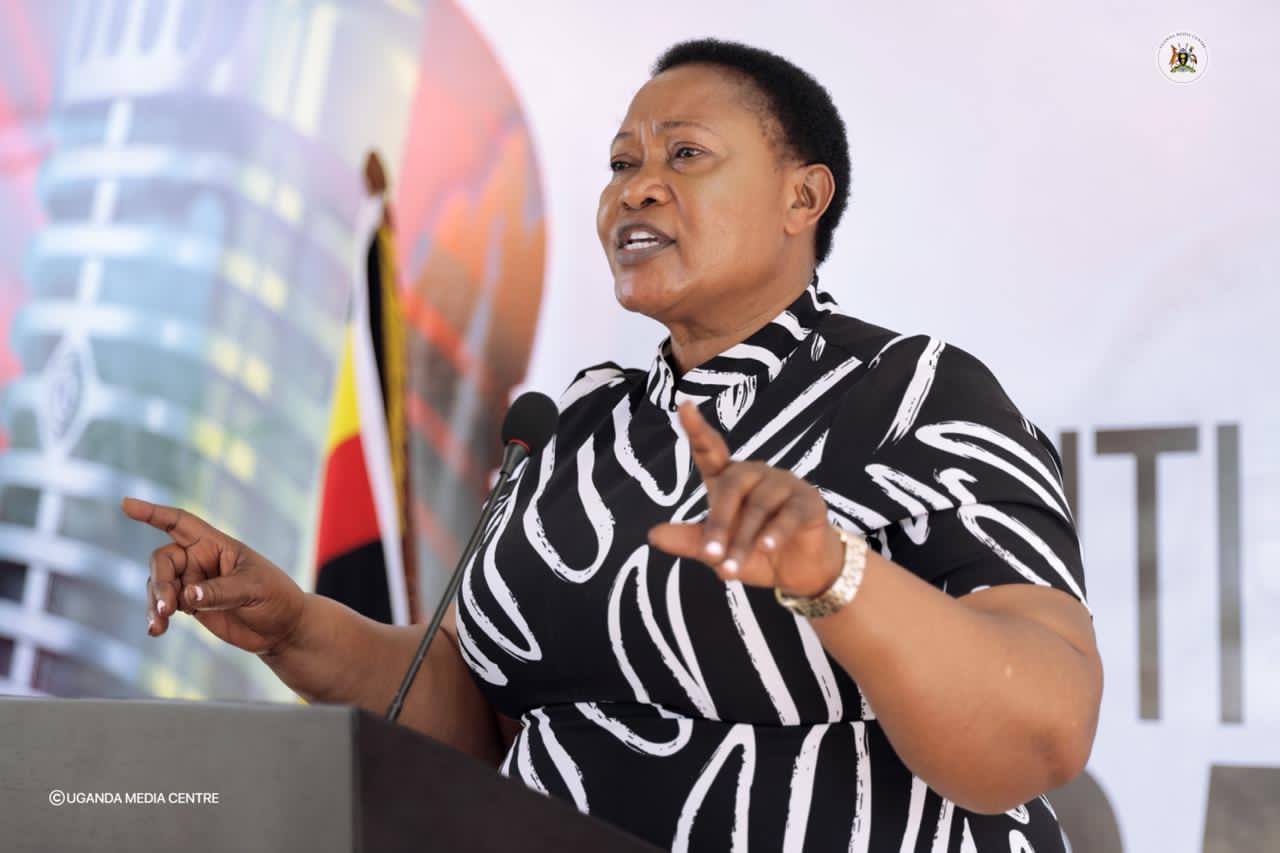
The directive was announced by Minister for the Presidency Milly Babalanda, who said it is intended to strengthen the Government’s fight against corruption by moving away from a system where suspected wrongdoing is only reported and left to lengthy bureaucratic processes.


Babalanda said the President’s guidance follows concerns that delays in acting on corruption allegations often allow suspects to interfere with evidence, influence witnesses or continue misappropriating public resources.
For years, RDCs who encountered suspected corruption in their areas have largely been expected to document their findings and forward reports to relevant authorities for investigation. According to Babalanda, this approach has sometimes created a gap between detecting corruption and taking action against those suspected of committing it.
She said the President has now made it clear that bureaucratic procedures should not be used as a shield by people involved in corruption.
The directive comes amid an ongoing anti-corruption monitoring campaign by ministers in charge of Local Government, an initiative that has attracted debate over the methods used to expose suspected corruption and secure arrests.
Babalanda said criticism directed at ministers Balaam Barugahara and Justine Nameere, who have faced accusations of acting outside established procedures when exposing corruption and ordering impromptu arrests, should be viewed in the context of the President’s broader position that corruption requires a more proactive response.
She said the President’s latest guidance does not give RDCs powers to determine guilt or replace institutions mandated to investigate and prosecute criminal cases.
“Where credible evidence of corruption is established and lawful grounds for arrest exist, take timely action and hand the suspect to Police and other competent authorities for investigation and prosecution,” Babalanda said.
She emphasised that an arrest does not amount to a conviction, but can help prevent further wrongdoing and preserve evidence while competent authorities conduct investigations.
RDCs and RCCs are presidential representatives at district and city levels and are responsible for monitoring Government programmes and service delivery. They regularly inspect projects and interact with communities, placing them among the officials who can detect suspected misuse of public resources at an early stage.
Babalanda said the new approach is intended to ensure that RDCs do not simply file reports and wait indefinitely while suspected offenders remain in positions where they can potentially interfere with investigations.
She cited several forms of alleged corruption that continue to affect local governments and Government programmes, including the alleged sale of public jobs, manipulation of staffing figures to create ghost workers, inflation of school enrolment figures to generate ghost learners and the creation of ghost beneficiaries under Government programmes.
She also pointed to allegations of bribery in the implementation of the Parish Development Model (PDM), where some beneficiaries have reportedly been asked to pay money before accessing Government support.
Other concerns include the certification of poor-quality or non-existent public works for payment, practices that Babalanda said deprive citizens of services and opportunities while wasting public funds.
“Every shilling lost to corruption is a shilling that cannot build a classroom, stock a health centre or transform a household,” she said.
The Minister said the directive should not be interpreted as an attempt to undermine the roles of the Police, Inspectorate of Government, Directorate of Public Prosecutions or the Judiciary.
Instead, she said, RDCs should act within the law when they encounter credible evidence and ensure suspects are handed over to the appropriate authorities for due process.
Museveni’s administration has long identified corruption as a major obstacle to service delivery. The fight against corruption was included among the priorities of the NRM’s Ten-Point Programme, with the Government subsequently strengthening institutions such as the Inspectorate of Government, Office of the Auditor General and State House Anti-Corruption Unit.
Babalanda said anti-corruption agencies have continued to face resistance and attempts to frustrate investigations, making timely intervention increasingly important.
She urged RDCs and RCCs to intensify monitoring of Government programmes, listen to complaints from citizens, follow public funds and ensure that evidence is protected whenever suspected corruption is detected.
“A report must not become a refuge for inaction,” she said.
Babalanda also appealed to members of the public to report corruption, reject bribery and provide credible evidence to investigators.
She said the Government now expects greater speed and accountability in responding to corruption, arguing that political leadership and anti-corruption institutions must be matched by action at the point where wrongdoing is detected.










 English