











The Judiciary has launched a two-week mediation campaign at the Land Division of the High Court in Kampala as part of renewed efforts to clear thousands of unresolved land disputes and encourage out-of-court settlements.
The initiative, dubbed the Mediation Fortnight, aims to resolve about 270 land-related cases through Alternative Dispute Resolution (ADR), offering litigants a quicker, less expensive and less confrontational alternative to lengthy court proceedings.

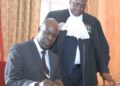
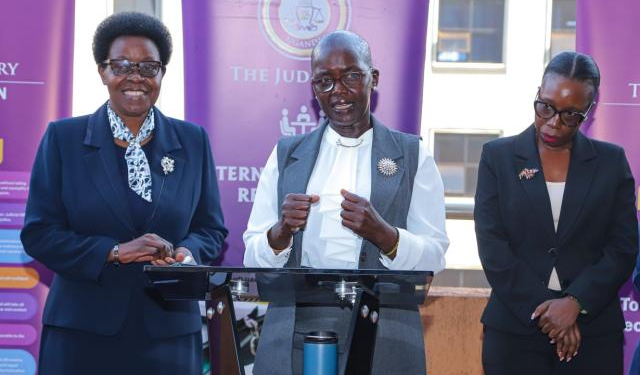
Speaking at the launch on Monday, Principal Judge Lady Justice Jane Frances Abodo said the exercise comes at a time when the Land Division is struggling with an overwhelming caseload that continues to outpace available judicial resources.
According to Justice Abodo, the division had 7,279 pending cases as of March 31, 2026, after receiving 1,067 new cases during the third quarter. Although 1,363 matters were concluded—including 58 through mediation—the court still faces a backlog of 3,294 cases, accounting for nearly half of all pending matters.
She noted that the Land Division is currently served by only nine judges and three registrars, making mediation an essential tool for improving efficiency while ensuring timely access to justice.
Justice Abodo said land conflicts often involve relatives, neighbours and members of the same communities, making mediation more suitable than adversarial court proceedings, which can deepen divisions instead of restoring relationships.
She explained that mediation allows parties to negotiate their own solutions, increasing the likelihood that agreements will be respected and implemented voluntarily.
The Principal Judge urged Ugandans with pending land disputes to embrace dialogue before resorting to litigation, saying court battles frequently leave one party dissatisfied and can take years—or even decades—to conclude.
“It is not about litigation all the time. People should first sit down and talk. Only when mediation fails should they proceed to litigation,” she said.
Justice Abodo warned that prolonged court cases often deny litigants meaningful justice, as successful parties may wait so long that they are unable to fully benefit from favourable judgments.
She revealed that the Judiciary intends to make mediation the preferred method of resolving disputes, reserving litigation for matters that cannot be settled through mutual agreement.
The Principal Judge added that the Judiciary has invested significantly in strengthening mediation by training judges, judicial officers, lawyers and accredited professional mediators across the country.
Religious leaders, local leaders and respected community members have also been equipped with mediation skills to expand access to ADR services beyond Kampala.
Justice Abodo said the Judiciary’s earlier mediation exercise at the Commercial Division yielded positive results, encouraging plans to roll out similar initiatives across other High Court divisions and regional court circuits.
Head of the Land Division, Lady Justice Damalie Lwanga, said extensive preparations had been undertaken ahead of the mediation exercise, including an ADR roundtable in May and specialised training conducted through the Judicial Training Institute.
She said the training, facilitated by former Solicitor General Francis Atooke and former Deputy Chief Justice Richard Buteera, enhanced the capacity of judicial officers and accredited mediators to handle complex land disputes.
Justice Lwanga appealed to litigants and their lawyers to participate actively in the mediation sessions and pursue mutually beneficial settlements.
She also commended the Judiciary leadership, serving judges and volunteer mediators, including Lady Justice Patricia Basaza, for supporting the initiative.
Meanwhile, the Executive Director of the Judicial Training Institute, Professor Andrew Khaukha, described mediation as one of the most practical responses to the mounting pressure facing the Land Division.
He observed that the court receives approximately 350 new land cases every month while operating with limited personnel and a quarterly budget of about Shs250 million, making it difficult to manage the growing caseload through litigation alone.
Professor Khaukha acknowledged challenges affecting mediators, including delayed remuneration and inadequate accommodation, but expressed optimism that the Judiciary was working to improve their welfare and strengthen the mediation programme.
He urged the management of the Land Division to ensure timely accountability for funds to facilitate prompt release of resources required to sustain mediation activities.
The Judiciary hopes that with increased funding and additional personnel, mediation can be expanded to all court divisions and circuits within the next three to five years, making negotiated settlements the primary avenue for resolving disputes across the country.
The launch attracted several judges from other High Court divisions, including Lady Justice Susan Okalany of the International Crimes Division, Lady Justice Anna Mugenyi Bitature of the Commercial Division, Justice Emmanuel Baguma of the Criminal Division and Lady Justice Joyce Kavuma, Head of the Civil Division, who attended in support of the initiative.
ENDS.










 English