













The Inspector General of Police (IGP) has asked the High Court to throw out an application seeking the production and release of former Butambala County Member of Parliament Muhammad Muwanga Kivumbi, insisting that the opposition politician is not being held by the Uganda Police Force.
The application, filed before the Civil Division of the High Court, seeks a writ of habeas corpus requiring security agencies to produce Muwanga Kivumbi in court and justify his alleged detention.

In an affidavit filed on behalf of the IGP, Assistant Commissioner of Police Godwin Tumugumye told the court that police have no record showing that Muwanga Kivumbi was arrested or detained after he was released on bail earlier this month.
Tumugumye stated that investigations conducted at relevant police stations and units established that the former legislator has not been in police custody at any time since July 10, 2026.
He further argued that the applicant had failed to provide evidence linking the Uganda Police Force to the alleged disappearance, maintaining that a writ of habeas corpus can only be issued where there is credible proof that the respondent is unlawfully holding the person.
The IGP has therefore asked the court to dismiss the application with costs.
The matter came up for hearing before Justice Collins Acellam on Tuesday. After receiving submissions from the parties, the judge reserved his decision, which is expected to be delivered electronically through the Electronic Court Case Management Information System (ECCMIS) on Wednesday.
During the proceedings, court heard that while the Inspector General of Police had filed a response contesting the application, the Chief of Defence Forces, who is also listed as a respondent, had not filed any response by the close of the hearing.
Muwanga Kivumbi’s lawyers lodged the application under the Constitution, the Human Rights (Enforcement) Act and the Judicature Act, seeking orders compelling the respondents to produce him before court and secure his immediate release if his detention is found to be unlawful.
The application is supported by an affidavit sworn by his elder brother, Hajji Musa Lutaaya.
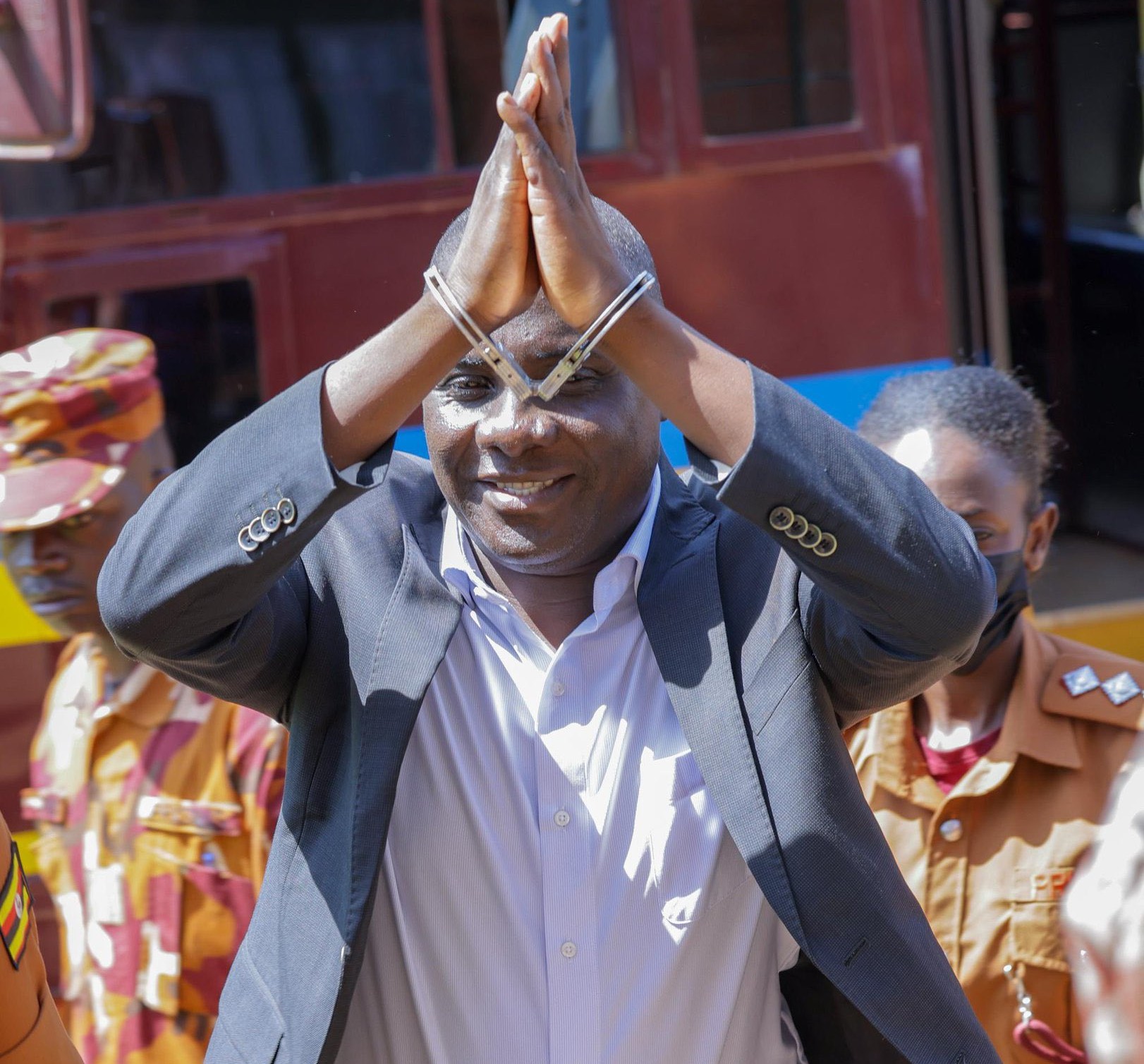
According to the court documents, Muwanga Kivumbi was granted bail by the International Crimes Division of the High Court on July 9 after spending about six months on remand over terrorism-related charges.
His legal team says he spent the night at his ancestral home in Butambala District before setting off for Kampala the following day.
The applicants allege that while travelling through Mpigi District, his vehicle was intercepted at a police checkpoint by armed security personnel, including both uniformed and plain-clothed officers, who allegedly forced him into an unmarked vehicle and drove him to an unknown destination.
They contend that the officers neither identified themselves nor presented an arrest warrant or informed him of any new charges before taking him away.
The application further claims that Muwanga Kivumbi has since been held incommunicado without access to his family, lawyers or medical personnel and has not been produced before any court within the constitutionally required 48 hours.
His lawyers argue that the continued failure to disclose his whereabouts violates his constitutional rights and are asking the High Court to compel the respondents to produce him before court and order his unconditional release if no lawful basis for his detention exists.
Muwanga Kivumbi and 16 co-accused persons are facing terrorism charges arising from alleged attacks on Kibibi Police Station and the Butambala Electoral Commission tally centre during the January 2026 general elections.
The prosecution alleges that the attacks were intended to influence government actions and intimidate the public through violence.
State prosecutors also claim that the incidents caused extensive destruction to public infrastructure and several motor vehicles, including government and private vehicles.
According to the charge sheet, seven people lost their lives during the violence. The deceased were identified as Sarah Naggayi, Aisha Nabukenya, Milly Nampereza, Ruth Nakanjako, Nsamu Abdulnoor, Shafik Miiro and Davis Basaliza.
The prosecution maintains that the alleged offences were prejudicial to national security and public safety and were carried out without regard for the lives and property of civilians.





 English