

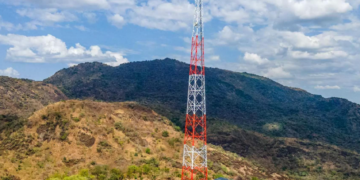

















A new wave of arrests in the Mabira Central Forest Reserve (CFR) has brought renewed attention to Uganda’s escalating fight against deforestation and illegal charcoal production.
At least five individuals were apprehended last week in a coordinated operation carried out by the National Forestry Authority (NFA) in partnership with neighboring communities.


The arrests highlight both the severity of the crisis and the expanding scope of accountability, which now includes NFA staff suspected of complicity.
The suspects, identified as Musisi George, Wasswa George, Wandeka Alamanzani, Wasswa Awali, and Wandeka Ali, were caught engaging in illegal charcoal burning within the forest.
They were transferred to Kampala for processing and are expected to face charges in court under Uganda’s forestry laws, which prohibit the felling and burning of trees in protected reserves.
These arrests are part of a broader nationwide campaign to suppress illegal activities in forest reserves.
In a significant development, NFA officials are also being scrutinized for their roles in enabling such crimes.
“Community vigilance has been critical to these efforts,” said Aldon Walukamba, the NFA’s Communications and Public Relations Manager.
“The public is playing a vital role in reporting these crimes, but we must also ensure that internal accountability is upheld.”
According to Walukamba, two NFA employees—Joseph Ecima, a Forest Supervisor in Mabira, and Tibenderana Agai, who oversees Muhangi CFR—are facing court proceedings for allegedly facilitating illegal operations.
Their arrests represent a notable shift in the forestry body’s stance on internal corruption.
Rising Threat to Forests
Charcoal production within Central Forest Reserves is a clear violation of Uganda’s environmental laws.
It contributes significantly to deforestation and undermines national conservation goals.
Uganda loses an estimated 90,000 hectares of forest each year, and forest cover has fallen sharply from 24 percent in 1990 to less than 10 percent today.
Mabira Forest, situated between Kampala and Jinja, covers over 300 square kilometers and is one of the largest remaining natural forests in the Buganda region.
It is home to hundreds of plant and animal species, many of which are endangered or endemic. The forest is vital for carbon storage, water regulation, and biodiversity conservation.
Despite its protected status, Mabira continues to suffer from illegal logging, land encroachment, and unregulated charcoal production.
These pressures have intensified due to Uganda’s rising population and the growing demand for affordable energy sources, particularly in urban areas where electricity remains expensive or inaccessible.
This year alone, the NFA has arrested 52 individuals for engaging in illegal forest activities.
Nineteen case files have been opened, with fifteen already submitted to court.
The Utilities Court has convicted three people so far, a sign of growing judicial engagement in environmental protection.
“The rule of law must apply to everyone,” Walukamba said. “Forest crimes are not just environmental offenses. They are crimes against the future of this country.
These resources belong to all Ugandans, and to the generations yet to come.”
Challenges and Opportunities
For years, forest law enforcement has been weakened by inadequate resources, limited staffing, and corruption.
The NFA is responsible for managing 506 Central Forest Reserves totaling 1.26 million hectares, yet its field operations often face logistical and financial constraints.
Environmental advocates have long called for increased funding for the forestry sector, stricter penalties for offenders, and greater transparency in the governance of natural resources.
The recent arrests of NFA personnel may mark the beginning of deeper institutional reforms.
As enforcement gains momentum, the NFA is expanding its efforts beyond law enforcement.
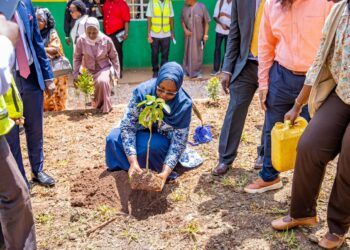
The authority is working with non-governmental organizations, private sector actors, and community leaders to support tree-planting campaigns, promote environmental education, and develop sustainable livelihoods for people who rely on charcoal production.
“We cannot do this alone,” Walukamba emphasized. “Our natural heritage is under threat, and it is the responsibility of every Ugandan to protect it—whether by planting trees, following the law, or speaking out when they witness illegal activity.”
If these efforts succeed, the crackdown in Mabira may be remembered not only as a response to a crisis but as the beginning of a more sustainable and accountable approach to forest conservation in Uganda.










 English