
















A study by a Makerere University researcher has raised concern over the high prevalence of sexual violence among students in Ugandan universities, with Kyambogo University identified as one of the most affected institutions.
The baseline study conducted by Dr Anna Ninsiima of the School of Women and Gender Studies at Makerere University estimates that 8,679 out of 39,452 students at Kyambogo University have either experienced or are currently experiencing sexual violence.


The findings were presented during a multi-stakeholder dialogue on sexual harassment and gender-based violence against women and girls in higher education.
The meeting brought together university leaders, policymakers, student representatives and gender experts, all of whom expressed concern that abuse persists despite existing laws and institutional frameworks.
Institutional response
Responding to the findings, Kyambogo University Vice Chancellor Prof Eli Katunguka-Rwakishaya said the institution already has internal mechanisms to handle cases of sexual harassment, even though a standalone policy is still in development.
“We have a human resource manual, which stipulates how staff should behave. We also have a gender mainstreaming policy, which addresses sexual harassment,” he said.
He added that the university has disciplinary systems in place to deal with staff found guilty of misconduct. “We have a system of tracking and punishing those involved in these practices. In our human resource manual, it is explicit,” he noted.
Students with disabilities at higher risk
Dr Ninsiima’s research also highlights heightened vulnerability among students with disabilities. At Makerere University College of Health Sciences, she found that one in five female students with hearing impairments had experienced sexual assault or rape within a single year.
She warned that students who depend heavily on lecturers and academic support systems are particularly exposed to exploitation.
While acknowledging Uganda’s progress in developing laws and institutional policies on sexual harassment, she said implementation remains a major gap.
“We have policies, laws and institutional guidelines, but the missing link lies in deep-seated patriarchal norms that continue to normalise sexual harassment and view women’s bodies as objects for men’s gratification,” she said.
Dr Ninsiima explained that sexual harassment takes many forms, including unwelcome sexual advances, inappropriate comments, sexual jokes, cyber harassment, unwanted touching and sexual assault.
She further warned that the consequences extend beyond individual survivors, affecting academic performance, mental health and student retention.
“Survivors suffer trauma, depression, anxiety and stress. Some contract sexually transmitted infections, while others abandon their education altogether,” she said.
Fear of reporting and institutional gaps
Mr Nicholas Olwor, Undersecretary at the Equal Opportunities Commission, said many victims remain silent due to fear of retaliation and loss of opportunities.
“No one begins from a position of power. People fear losing their jobs or opportunities. Once you blow the whistle, the whistle can be blown against you,” he said.
He noted that some complainants withdraw cases before investigations begin, often due to intimidation or lack of confidence in institutional processes.
“Some students expressed willingness to report cases, but when the formal process was about to start, they disappeared. We do not know whether they were intimidated, silenced, bribed or simply lost confidence in the system,” he said.
Olwor called for stronger reporting mechanisms, including confidential hotlines, mobile reporting applications, and survivor-centred support services. He also said the commission plans to decentralise services to improve access to justice.
Lived experiences
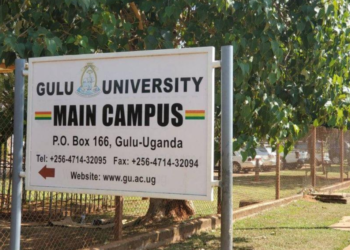
At Gulu University, student leader Ms Rosemary Angeango shared her personal experience of repeated verbal harassment by a lecturer.
“I was a victim of verbal harassment. A lecturer came into class and made comments about my appearance in front of other students,” she said.
“He told me, ‘your lips are so hot and look sweet. I feel like kissing them.’”
She said the comments left her embarrassed and humiliated but added that she confronted the lecturer at the time.
“I immediately told him not to continue making such comments about me,” she recalled.
According to Angeango, such incidents are widespread but rarely formally reported.
“There are staff members whose names repeatedly come up whenever students discuss misconduct. Students know them, administrators know them, but action is never taken,” she said.
Call for action
The study is now being shared across universities, with stakeholders hoping it will push institutions to adopt stronger preventive and disciplinary measures against sexual harassment and gender-based violence in higher education.








 English