

















–Uncontrolled Discharge of Detergents, Plastics, Oil Spills in the Rivers
By Kei Emmanuel Dduku
Madi Okollo- Uganda
Throughout history, Nile River and the River Enyau have played a crucial role as a source of sustenance, agricultural land, and transportation for the communities residing in the West Nile sub-region, comprising of Adjumani, Arua City, Arua District, Koboko, Maracha, Terego, Madi-Okollo, Yumbi, Moyo, Nebbi, Zombo and Obongi districts.
The rivers have provided a valuable source of food through fishing activities, offered fertile land for agriculture, and served as a vital route for transportation, facilitating trade and communication among the communities. Their significance and multifaceted contributions have deeply intertwined the livelihoods and cultural fabric of the people in the region.
Unfortunately, the invaluable health, and heritage of the precious water bodies are rapidly deteriorating due to uncontrolled plastic and chemical pollutants contributed by people who largely rely on them for their survival.
The pollution of these rivers is exacerbated by unregulated release of industrial waste, runoff from agricultural activities, untreated sewage, and risky human practices like open defecation and using rivers for washing clothes and motorcycles.
Now, the residents, environmentalists, concerned authorities and other stakeholders in Madi- Okollo and Arua are struggling to conserve them and have stressed the urgent need for heightened awareness and prompt action to address the harmful practices jeopardising the river’s well-being.
RIVER NILE
The Nile River traverses Adjumani, Obongi, Madi-Okollo, Arua, Pakwach, Amuru, Omoro, and Moyo. However, in Madi-Okollo district it is Payila village of Pawor sub-county, where the adverse impacts are most evident.
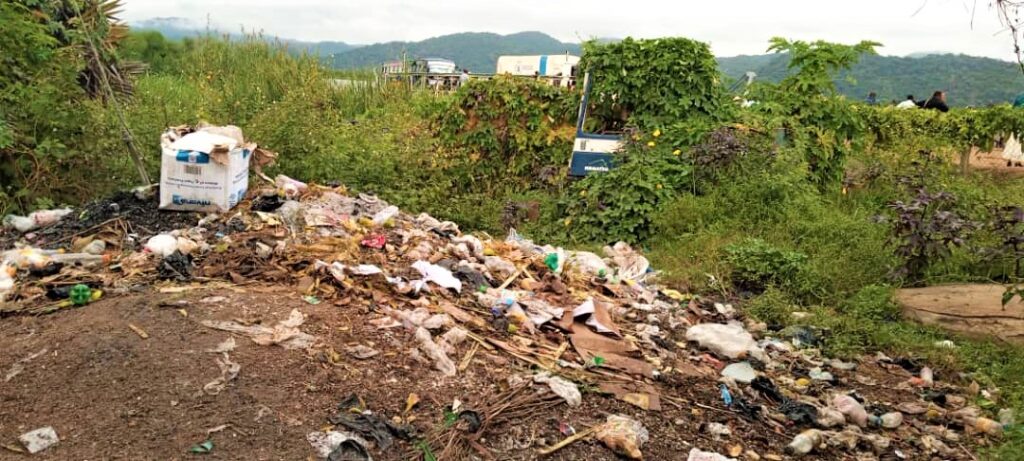
River pollution arises from unregulated practices within the community. Countless households worsen the issue by washing clothes with various detergents on the riverbanks. Additionally, motorcycles being washed in the river release oil, forming a toxic slick.
Although these acts may appear harmless when viewed individually, their collective impact suffocates and contaminates the river, posing a significant threat to its ecosystem.
Lucy Obedi a concerned resident attributes the direct pollution of the river to poor waste management since plastics, sanitary pads, diapers, polythene bags, and human waste easily end up in the water.
As a result, she adds, these pollutants degrade the river’s pristine waters, posing risks to the ecosystem and the health of villagers who rely on it.
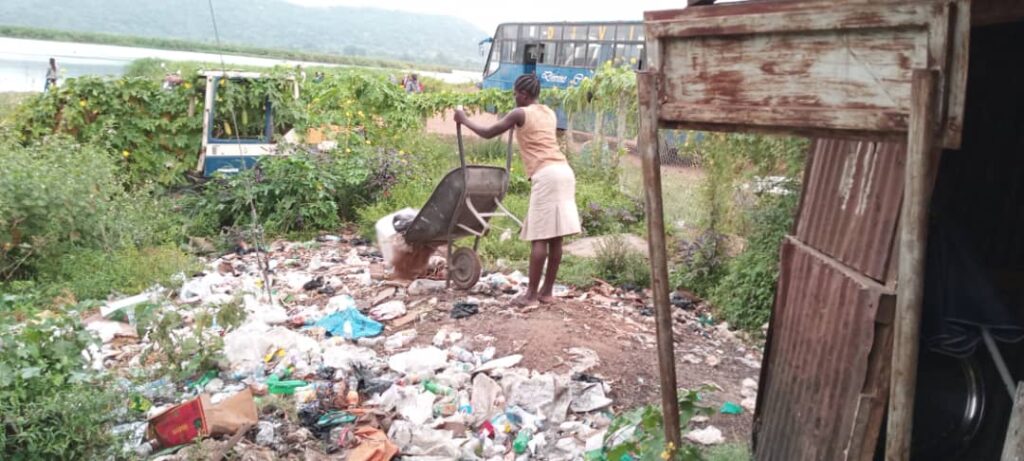
According to Obedi, people flock to the river due to lack of enough water supply in their community. Although there are two piped water points at the local market and at the community Mosque, few people can afford it.
“Due to the prevailing poverty within the community, many individuals find the price of a 20-liter jerrican, ranging between Ugx200 and Ugx300, to be high, considering the number of jerricans required daily to sustain their households, she recounts.
Payila village in Onzivu Parish, Oluko sub-county faces a situation comparable to Pawor. The adverse impact of human activities on the river’s well-being is a major concern for residents, local authorities, and environmental advocates in the district.
Faustino Anywar, the Chairperson of Payila Local Council (LCI), has consistently urged the district leadership to take action. Their appeals encompass the need for laundry and motorcycle washing facilities, designated areas for accessing clean water at no cost, and the provision of troughs for cattle.
As of June 17, 2023, the availability of water varies in different parts of Madi Okollo District, with Pawor Sub-County having a 37% access rate, while Uleppi Sub-County enjoys a higher access rate of 95%, according to the Water Supply Atlas.
It further indicates that the district has a total of 427 water points serving a population of 112,019 people, all of whom reside in rural areas. Out of these water points, 79 have been inactive and abandoned for more than 5 years which has escalated the water problem hence putting too much pressure on the river.
Reduced Fish catch
Fishermen in Pawor and Rahino Camp landing sites are feeling the pinch as the fish population mainly of Nile Tilapia and Nile perch is gradually declining due to pollution. The two species are critically endangered with a high risk of facing extinction.
Majid Olema, a fisherman from Rahino Camp landing site, reports a decline in fish catch as a result of river contamination. In the past three years, he used to catch around 10kgs of Nile tilapia daily. However, due to the increased pollution, his current catch has reduced to approximately 5kgs or even less.
According to Olema, the pollutants have had a profound impact on the daily lives and livelihoods of the community. Specifically, he explains that the decline in fish catch has resulted in food insecurity and financial hardships for both the fishermen and the communities they support.
“Olema shares the current struggles faced by the community, mentioning the challenges in providing basic needs for their families and paying school fees,” he recounts, adding that the decline in income from fish sales has significantly affected their financial situation and ability to meet these essential expenses.
Endangered Fish Species
The River Nile teems with diverse fish species like Nile Tilapia, Nile Perch, African Catfish, Electric Catfish, Bagrus catfish, Haplochromis cichlids, and Tiger fish. These fish enrich the river’s ecosystem, highlighting its remarkable biodiversity and ecological significance.
However, the current pollution of the river poses a severe threat to numerous fish species. As a result, these fish face a harsh predicament, with their survival at stake.
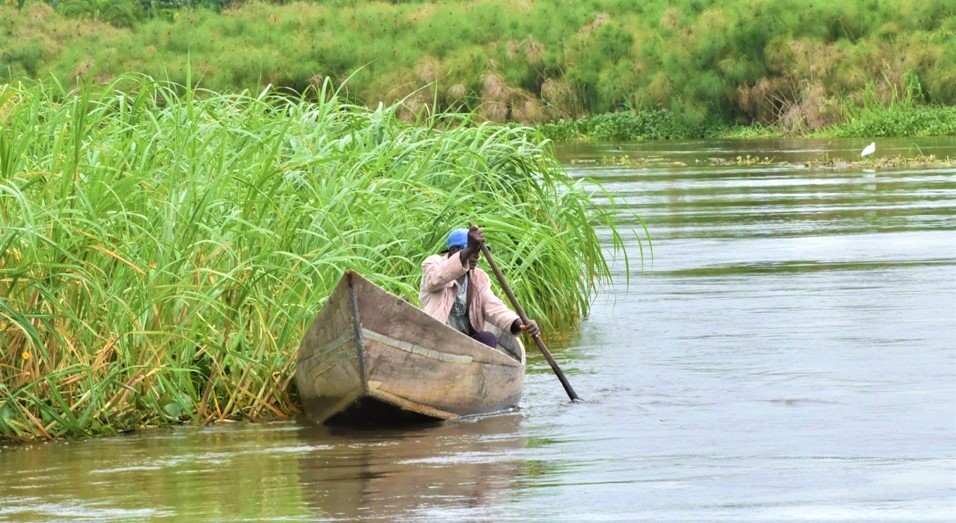
According to Madi-Okollo District Fisheries Department, as the fish struggle for safety, some may be compelled to migrate to other locations, where they risk becoming prey to predators, ultimately leading to a reduction in their population or even their extinction.
This highlights the urgent need for action to address the pollution issue and preserve the delicate balance of the Nile’s ecosystem for the sake of these vulnerable fish species, according to the department officials.
A report the International Union for Conservation of Nature (IUCN) released in March this year, indicates Uganda as home to 293 species, out of which 40 (13.3%) are at risk of extinction since the freshwater biodiversity is being negatively affected by intensive fishing, pollution, habitat degradation, oil and gas development, weak law enforcement, climate change, invasive species, and hybridization.
These findings align with the IUCN framework, which classifies species into seven categories on the red list: extinct, extinct in the wild, critically endangered, endangered, vulnerable, near-threatened, and least concerned.
District Leaders
Madi Okollo is one of the newly created District carved out from current Arua City and the district is not only faced with challenges of wastes but also absences of By-Laws to regulate waste is still a big issue at the District.
Teddy Adroko, the Female District Councilor representing Offaka sub-county, highlights that waste management is a significant concern in various landing sites within Madi Okollo. The situation is further aggravated by the lack of district ordinances or laws to address the inequities
Although companies in the West Nile region and Arua City have initiated plans to recycle plastic bottles, their impact has been minimal. Adroko urges the local population to actively participate in cleaning and collecting plastic bottles, while emphasizing the need for garbage management strategies in the different sub-counties and town councils to be adopted.
“Providing vehicles for garbage collection, similar to those in Arua City, would be a beneficial idea. With dedicated garbage vehicles, people would have a clear understanding of when and where waste will take place, allowing them to dispose of their waste properly in designated areas,” she suggests.
ENYAU RIVER (ARUA)
The once-thriving river and its dependent communities- Ezova Cell, Vurra, Congo Cell, Odia Nyadri, Awindiri, Ezovo, and Olumini, are now devastated by uncontrolled pollution. The riverbanks are marred by plastic waste, and the once-serene atmosphere is replaced by a foul smell from decaying matter and solid waste.
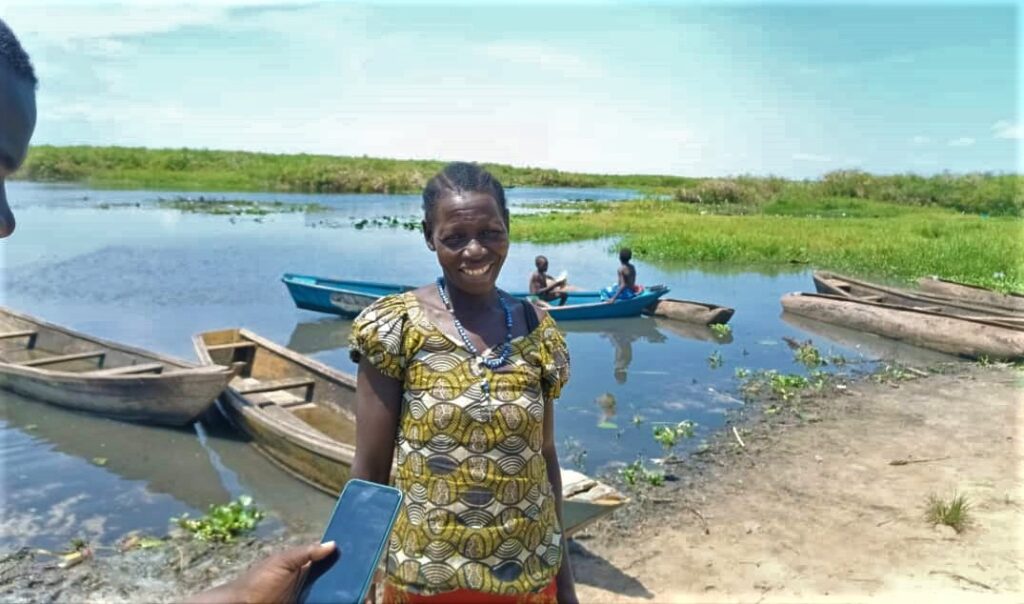
Industrial effluents, agricultural chemicals, and untreated sewage have turned the vital waterways into polluted streams, reflecting the gradual erosion of hope among the residents.
The community’s practices, including laundry habits and washing motorcycles in the river, contribute to its contamination, while open defecation further compounds the river’s problems. Also, sand mining for construction, car washing, and water diversion for farming have raised concern that the uncontrolled practices may lead to the drying up of River Enyan.
Robinson Draga, the Arua City Agriculture Officer, confirmed the problem saying that once the plastic pollutants enter River Enyan, they block air and affects aquatic animals in the water. However, with an estimated population of over 360,000 people, Draga says, the city is still struggling to counter dumping of waste mostly plastics in the already suffocating river.
“It is crucial to regulate these activities to prevent the drying up of River Enyan and protect the surrounding communities’ water source. Preserving and restoring the river’s vitality is essential for maintaining ecological balance and the well-being of marine animals. Immediate collective action is needed to safeguard this invaluable natural resource and ensure its sustainable use for future generations,” Draga explains.
According to Asedri Fred, the Principle Environment Officer of Arua City, various activities such as car washing, waste dumping, illegal settlement near the river, and poor farming practices have severely impacted the lifespan of river. He further reveals that improper waste management, including opening drainage channels at night to dispose of waste into the river, has caused significant pollution.
“Pollutants like burned engine oil from cars suffocate ecosystems and disrupt the feeding habits of marine organisms. To address these issues, the Arua City administration has demarcated the river shores and initiated community awareness programs to educate the local population about the economic benefits associated with the river,” Asedri states.
According to the engineer, the government has also assessed the vulnerability of communities along the river and plans to implement programs in collaboration with organizations to reduce illegal activities at the river’s shores.
He further believes that cleaning river will alleviate frequent disease outbreaks, provide clean drinking water, reduce treatment costs, and mitigate the destruction caused by flooding and erosion.
For the past year, Jane Apiku, the Chairperson of Ezova Cell in Ayivu division, has consistently voiced her concerns about the lack of strict measures taken by city authorities against individuals who litter the trading centers and streets. Apiku is concerned that these pollutants are being washed into the river and, farmlands leading to its contamination.

Richard Ferua, the former Arua District Chairperson (LC5), told this reporter that society has transitioned from being environmentally friendly, using clay and vegetation for items like pots and baskets, to a plastic-dependent culture.
This shift to non-biodegradable materials has become a global issue. Ferua suggests a gradual return to traditional items and emphasizes the importance of incorporating art and craft education in schools, where children can learn to create local materials as they did in the past.
NARO
Gerald Iwe Degu, a researcher from NARO, highlights the significance of monitoring water colour changes as an indicator of aquatic ecosystem health. Algal blooms resulting from excessive algae growth can cause fish mortality and oxygen depletion, according to Dagu.
Degu urges a shift in mindset and responsible waste management adding that mechanical filters can be employed to prevent plastic waste from entering the river. He warns that Nile River pollution has long-lasting effects on the environment, depleting resources and impacting agriculture, trees, animals, and water bodies.
According to the researcher, water pollution can cause algal blooms, with spirogyra algae overgrowing and altering the water colour. As these algae mature, oxygen levels rapidly decrease, jeopardising fish survival.
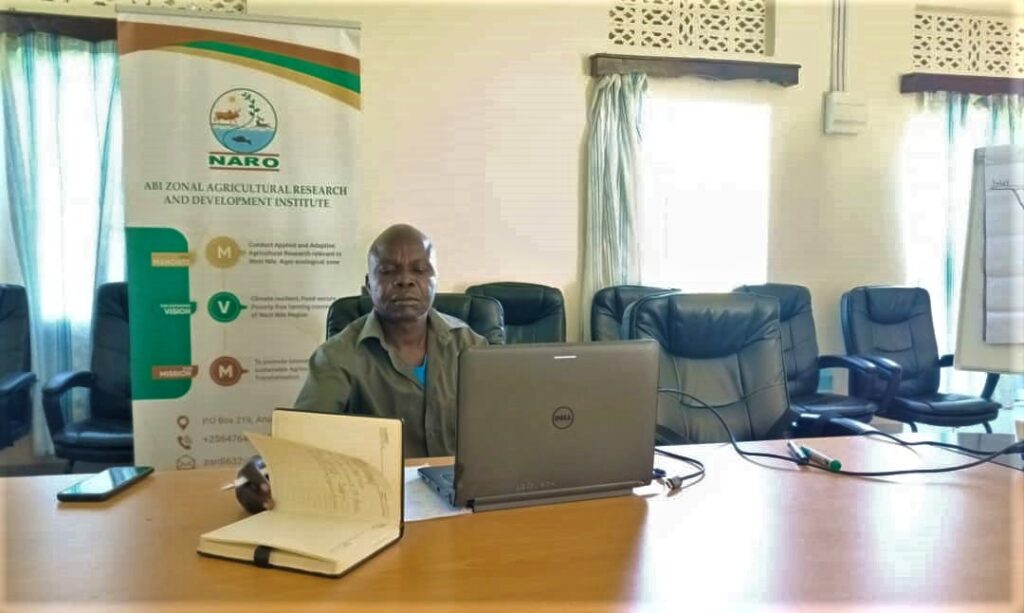
Referring to Food And Agricultural Organisation–FAO and World Health Organisation-WHO, various forms of waste, including car washing, human waste disposal, medical waste, and detergent washing, pose significant dangers to fish and water quality. Oil and chemicals in detergents prevent oxygen from entering water, leading to oxygen depletion for organisms,” he explains.
The best proposal, he says, would be enacting bylaws, raising awareness through media and public discussions, and preserving aquatic ecosystems to protect vulnerable fish species, in addition to safeguarding valuable resources, and create a sustainable environment.
About the impact on agriculture, Degu explains that the improper disposal of plastic waste and the use of chemical pesticides and fertilizers can lead to soil contamination. Plastics, he adds, usually release toxic substances into the soil, disrupting its natural balance and harming beneficial microorganisms.
“Chemical pollutants, such as pesticides and herbicides, can accumulate in the soil, affecting soil fertility and reducing crop yields,” he states, adding that this unfortunate scenario is already evident across all communities in the region that have been subjected to pollution.
In addition, Degu noted, when polluted water is used for irrigation, it can negatively impact crops and reduce their productivity.
Scientifically, plastic pollution can physically damage crops by obstructing sunlight, hindering photosynthesis, and restricting air circulation, according to the researcher. Plastic debris can also entangle plants, limiting their growth and development.
However, he explains, chemical pollutants in the lake and farmlands, when present in high levels, can accumulate in crops and pose risks to human health. Since pesticides and other chemicals may contaminate edible parts of plants, it makes them unsafe for consumption. This, according FAO, can lead to health issues for consumers and impact the marketability of agricultural products in the region and the country at large.
To mitigate the negative effects of plastic and chemical pollutants on agriculture, Degu emphasizes the adoption of sustainable practices including proper waste management to prevent plastic pollution, judicious use of agricultural chemicals following recommended guidelines, and promoting organic farming methods while implementing water management strategies can also help minimize water pollution and reduce the impact on crops.
Environment Activists
Twaib Feni, a prominent environmental conservation activist, has always emphasised the urgent need for awareness and action to safeguard aquatic species and maintain the availability of unpolluted water in the river.

He strongly advocates for minimising the use of plastic materials whenever possible and actively promoting recycling as a responsible approach to waste management. As per Feni, the implementation of regulations and the conduct of sensitization campaigns are essential steps in effectively addressing the issue.
Furthermore, Feni highlighted the significance of local governments prioritising the provision of sanitary facilities at landing sites and actively educating individuals about proper waste management. They strongly advocated for the creation of awareness and the implementation of community rules and bylaws to ensure cleanliness in the area.
“Government should step up its role in environmental protection by establishing and enforcing of regulations are essential to combat pollution and preserve ecosystems,” he noted, adding that the urgent need to ban non-biodegradable materials, particularly plastic bags, is underscored, while also ensuring the availability of sustainable and eco-friendly alternatives.
INITIATIVES
Efforts to combat littering and plastic pollution in the two districts include initiatives like Clean Seas Uganda which raises awareness and promotes proper waste management practices through clean-up activities and sustainable business practices, and the Plastic Recycling Initiative which establishes recycling facilities and incentivizes participation through creating a market for recycled plastics.
To support these initiatives, stronger regulations, enforcement, and education programs are needed. Collaboration between government agencies, NGOs, businesses, and communities is crucial for comprehensive waste management strategies and sustainable alternatives to single-use plastics.
In addition, improving access to clean drinking water along the Nile is a priority. The Mayor’s Migration Council project in Arua City focuses on urban greening, waste separation, and composting. By separating biodegradable waste for composting and recycling plastics, the project promotes responsible waste management and reduces environmental impact.
Still, to encourage responsible waste management, the project advocates storing plastic waste instead of discarding or burning it. Biodegradable waste is composted for personal gardens and potential income, while plastics are collected for recycling.
This story was made possible with funding from Aga Khan University
ENDs













 English