





Uganda is preparing to pursue reparations for land dispossession, forced labour, loss of human lives, cultural theft and economic exploitation suffered during British colonial rule, in an initiative aimed at establishing the historical and financial cost of colonialism.
A joint research initiative involving Ugandan scholars and the Russian Academy of Sciences has been launched to collect historical records, document colonial-era injustices and assess their long-term economic consequences. The findings are expected to be compiled into a report for presentation to the United Nations by December 2026.

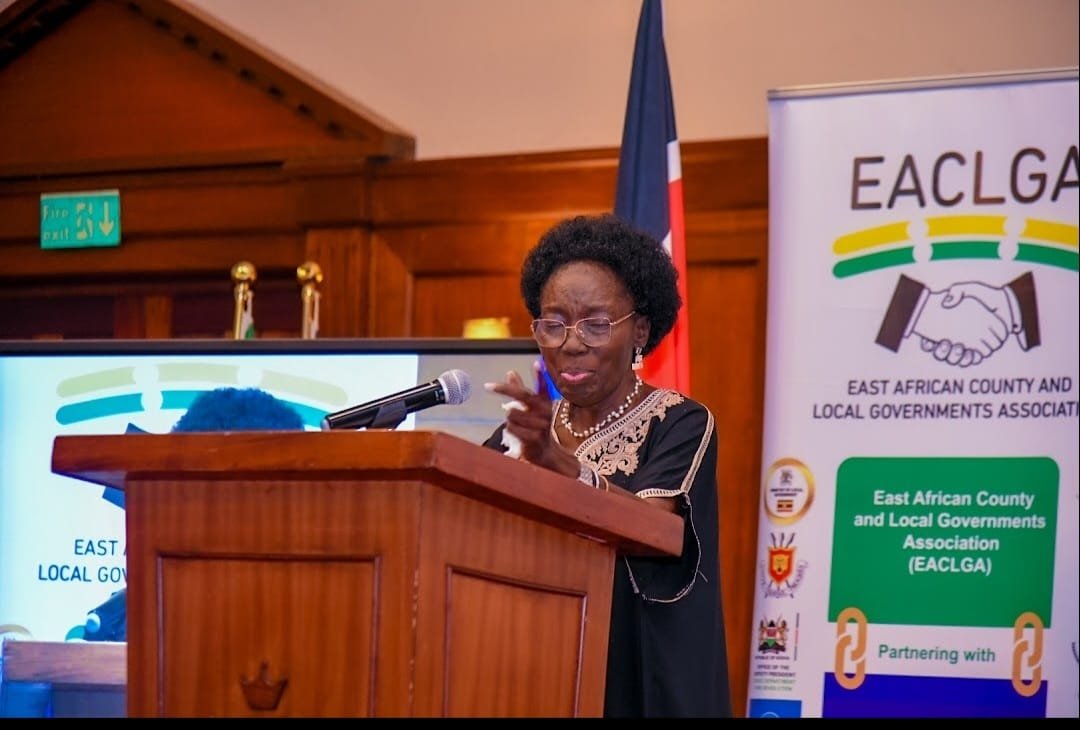
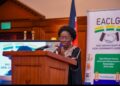
The initiative was officially launched on Tuesday by First Deputy Prime Minister and Minister for East African Community Affairs Rebecca Alitwala Kadaga, who said the partnership would strengthen Africa’s efforts to reclaim its dignity, historical identity and economic interests on the international stage.
Kadaga described reparative justice as an important item on the African Union’s agenda, noting that the continental body had established specialised expert groups to develop a common African position on reparations and provide legal guidance to countries seeking redress for historical injustices.
She welcomed Russia’s involvement, saying cooperation between academic institutions from different countries was important in producing credible historical evidence and challenging narratives that have often marginalised African experiences.
Associate Professor Robert Ojambo of Kyambogo University’s Department of History, Archaeology and Heritage said Uganda’s reparations case would concentrate on specific injustices committed during colonial rule, including the confiscation of land, forced labour, loss of human lives and the removal of cultural property.
Ojambo particularly pointed to the removal of Uganda’s cultural artefacts and human remains, arguing that returning stolen heritage items under temporary loan arrangements does not amount to full restitution.
He said the research would bring together historians, economists and other specialists to examine archival records and apply economic modelling to estimate the scale of losses suffered by Uganda.
Although he acknowledged that no financial compensation could restore lives lost or fully replace land and cultural heritage taken away, Ojambo argued that reparations would compel former colonial powers to acknowledge the injustices and take responsibility for addressing their consequences.
He cited the settlement reached between the British government and Kenyan victims of colonial-era abuses associated with the Mau Mau uprising as an example of how historical grievances could be pursued through legal and diplomatic processes.
Serubiri Uhuru, Director of Strategic Studies at the East African Freedom Council, argued that the effects of colonial exploitation remain evident in Africa’s economic challenges, including dependence on foreign capital, mounting debt and continued reliance on exporting unprocessed commodities.
He said the international economic system continues to favour industrialised economies at the expense of African producers, pointing to Uganda’s coffee industry as an example of how much of the value generated from African commodities is captured outside the continent.
Professor Irina Abramova, Director of the Institute for African Studies at the Russian Academy of Sciences, said the partnership would strengthen academic relations between Russian and African institutions while developing credible approaches to measuring the effects of colonial exploitation.
Abramova said the institute, established in 1959, had a long history of researching Africa’s political and economic development and was committed to working with African scholars to develop research grounded in the continent’s own experiences.
Russia’s Chargé d’Affaires in Uganda, Sergey Vasilievich Lobanov, said the Soviet Union had historically supported African liberation movements and contributed to the development of infrastructure, education and healthcare systems across the continent.
Major Awich Pollar, Director of External Affairs at the National Resistance Movement, also welcomed the partnership, highlighting Russia’s historical opposition to colonial exploitation and its support for African independence struggles.
Catherine Namakula, Vice President of the African Union Commission of Experts on Reparations, said rigorous research and documentation were essential to building a credible case capable of influencing international action.
She emphasised the importance of establishing historical facts and evidence to demonstrate the nature and extent of injustices committed against African societies.
The initiative comes as the African Union advances its Decade of Reparations, running from 2026 to 2035, during which African countries are expected to intensify efforts to secure international recognition, accountability and redress for the enduring consequences of slavery and colonialism.
For Uganda, the proposed research is intended to move the debate beyond historical grievances by establishing evidence that could support demands for formal acknowledgement, restitution and compensation from those responsible for colonial-era exploitation.



 English
