







The Uganda Muslim Supreme Council (UMSC) has instituted an investigation into the disappearance of Shs3.5 billion paid by the government as compensation for land previously owned by the Muslim body, following revelations that the entire amount was withdrawn from a joint bank account without the knowledge of the Council’s principal signatory.
The Council’s National Executive Committee has appointed a five-member committee to establish how the money was withdrawn and spent. The development also comes with Secretary General Hajji Abbas Muluubya stepping aside on mandatory leave to allow investigations into the matter to proceed.


The resolutions were reached during a special meeting of the National Executive Committee held on Monday, November 16, 2026, at the UMSC headquarters in Kampala, after several hours of deliberations over the disputed compensation funds.
The committee comprises Abduwahid Ijosiga, representing West Nile; Dr Counsel Adam Makmot Kibwanga for Northern Uganda; Hajji Yusuf Mayanja for West Buganda; retired Major Hajji Abubakar Kalume for East Buganda; and Counsel Sheikh Kassim Kamugisha for Ankole-Kigezi.
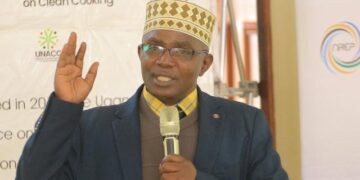
While addressing journalists after the meeting, UMSC Executive Committee Chairperson Prof. Dr. Muhammadi Lubega Kisambira explained that the money originated from government compensation for several ranches that belonged to the Council but were affected by compulsory land acquisition during government land restructuring exercises.
He said UMSC acquired the properties in the mid-1970s to establish large-scale livestock ranches and later created Uganda Ranches Limited to oversee the investments.
However, the venture collapsed following the overthrow of President Idi Amin in 1979, eventually leading to the subsidiary company’s closure.
Lubega explained that during the land restructuring programme undertaken by the National Resistance Movement government in the 1990s, several of the Council’s ranches were affected by compulsory acquisition, prompting government commitments to compensate the affected owners.
He said internal leadership disputes within UMSC at the time complicated efforts to pursue the compensation, with important property documents, including records relating to the ranches, reportedly getting lost.
The ranches had been managed by directors appointed by the Council, most of whom have since died. Among the surviving former officials are retired banker Hajji Fazil Jjingo Kasujja and Hajji Isah Khalifa Lukwago, who served as UMSC Secretary General between 1980 and 1985.
According to Lubega, successive UMSC administrations also failed to regularise the management of Uganda Ranches Limited or have its former directors removed from the company’s official records. Consequently, the former officials remained registered as proprietors of the disputed properties.
During the Executive Committee meeting, members were reportedly informed that the two surviving former officials, together with the company’s then Board Secretary, Counsel Mustafa Ssebakyaye, challenged the proposed compensation payment arrangements.
The trio reportedly objected to the money being deposited directly into UMSC’s consolidated accounts and instead pushed for the establishment of a joint bank account, with the Council represented by a principal signatory.
The Shs3.5 billion was eventually deposited into the joint account at Tropical Bank’s main branch in Kampala in December 2024.
Lubega said the Council had made several attempts over the past two years to engage the three individuals over the management and utilisation of the funds, but these efforts reportedly failed to produce meaningful results.
He added that the Mufti’s office subsequently ordered an inquiry into the status of the accounts, which established that the entire compensation amount had been withdrawn through 81 cheques.
The withdrawals were reportedly made without the knowledge of UMSC’s principal signatory, raising questions about how the transactions were processed and authorised by the bank without involving the Council’s representative.
Following the discovery, UMSC reported the matter to police and identified the three individuals whose signatures allegedly appeared on the cheques.
Ssebakyaye is reportedly outside the country, with information indicating that he may have travelled to either Zambia or Namibia.
In response to the revelations, the National Executive Committee resolved that Muluubya should take mandatory leave to ensure that the investigation proceeds without interference.
The five-member committee has been given one month to complete its work and submit a report, with the assignment officially commencing on November 18, 2026.
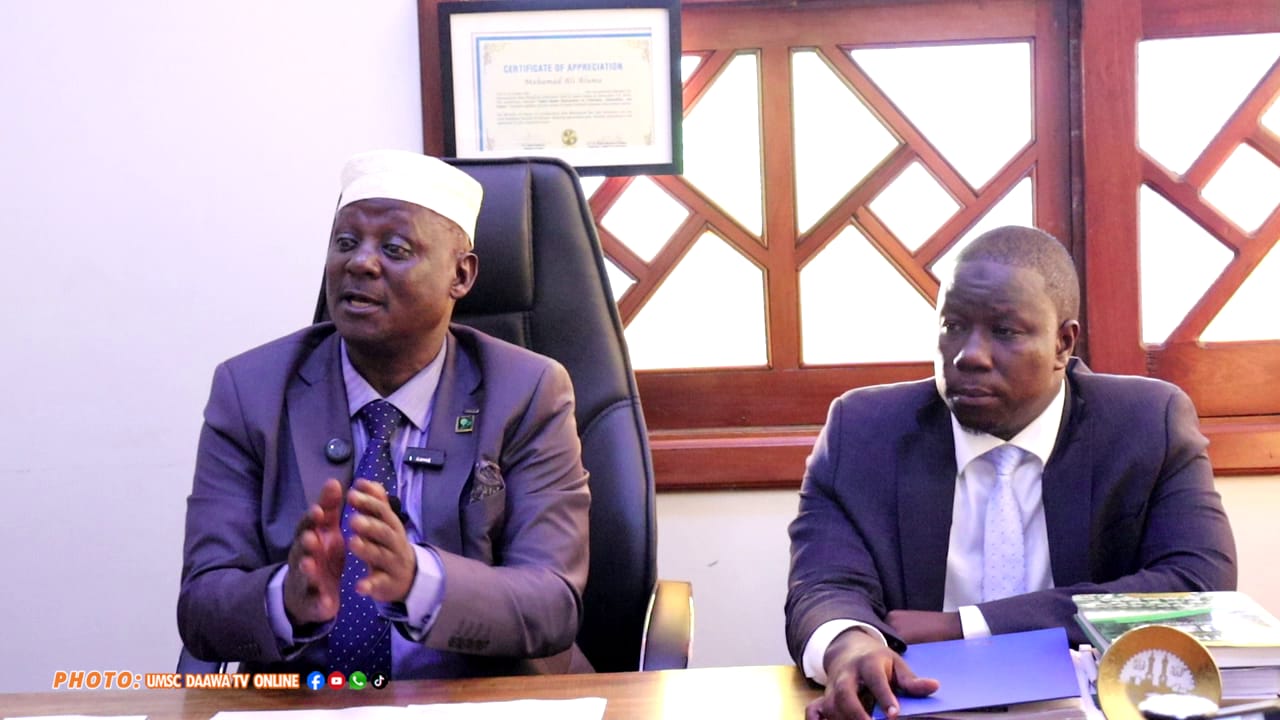
In the meantime, Counsel Hajji Muhammad Ali Aluma, the Deputy Secretary General in charge of Finance and Administration, has been appointed Acting Secretary General.
The investigation is expected to establish the circumstances under which the Shs3.5 billion was withdrawn, the individuals responsible for authorising the transactions and the eventual utilisation of the compensation money.
The Council is also seeking to establish whether the funds were handled in accordance with the agreed banking arrangements and the interests of UMSC.







 English
