

















Kampala’s planned demonstration against the Uganda Revenue Authority (URA) has taken a controversial turn after reports emerged that traders who refuse to close their businesses on Tuesday, November 17, 2026, risk facing a 10 per cent increase in rent. The reported threats have sparked concern among business owners, with questions being raised about whether traders are being forced to participate in an activity they should be free to support or reject.

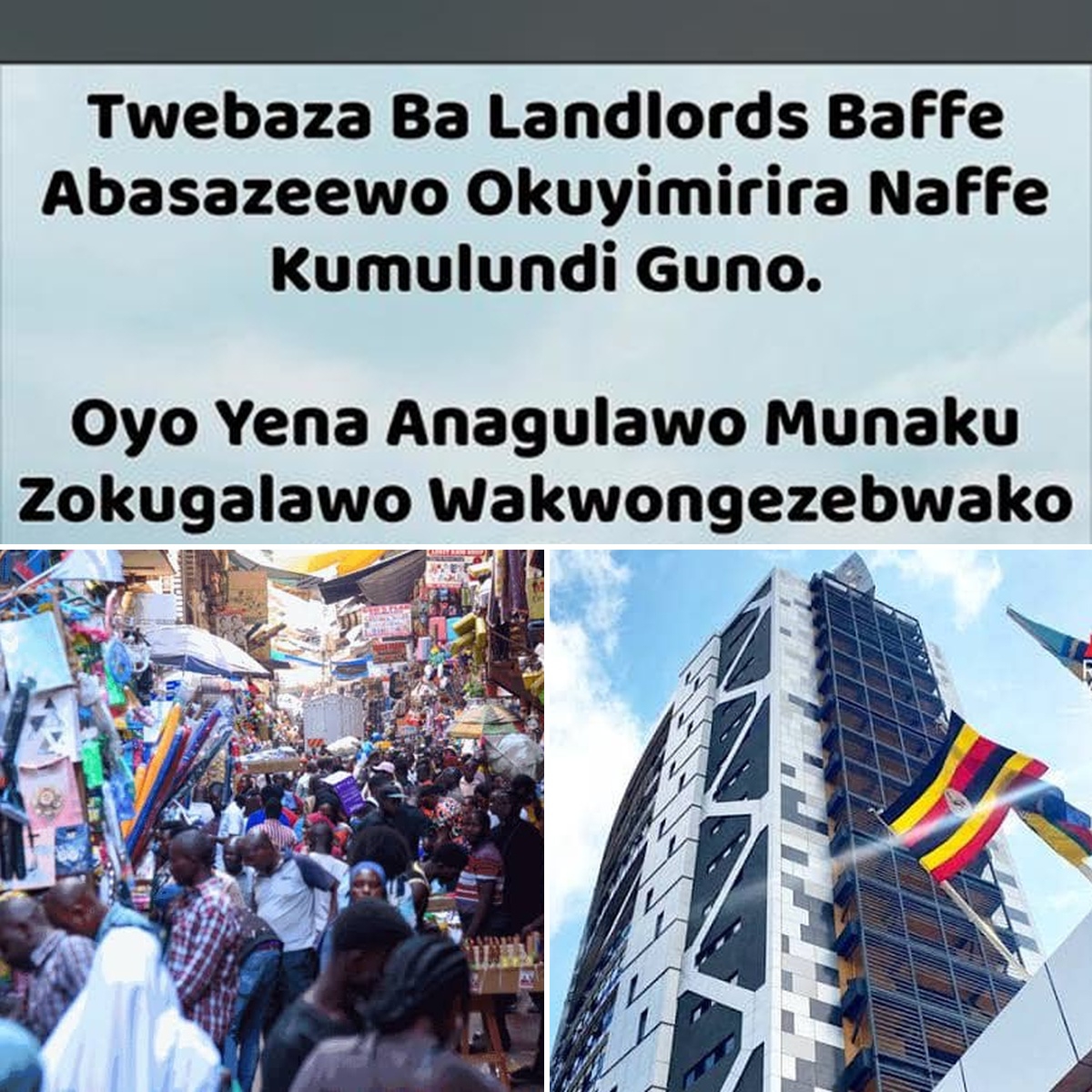
The demonstration, organised under the leadership of KACITA Uganda, is intended to express dissatisfaction with URA’s tax administration, the Electronic Fiscal Receipting and Invoicing System (EFRIS), customs valuation and other challenges affecting businesses. However, the mobilisation has attracted criticism following the circulation of a message warning landlords to increase rent for traders who open their shops during the planned shutdown.


The message, which also thanked landlords who had reportedly agreed to support the closure, has left some business owners worried about the financial consequences of refusing to participate. Many traders depend on daily sales to pay rent, support their families, pay employees and meet other business expenses, making both a forced closure and an additional rent increase a serious financial concern.
The situation has also attracted attention following reports that a woman has been distributing flyers at Pentagon City, encouraging traders to close their businesses on the demonstration day. The reported mobilisation, coupled with the rent increase warning, has raised questions about the methods being used to convince business owners to participate in the protest.
Meanwhile, disagreements have emerged within the traders’ leadership structures, with some association leaders claiming they were not consulted before the demonstration was organised. Simon Sezi Mwijuka, Chairman of MBACITA, a KACITA branch operating in Western Uganda, is among those who have expressed concern, saying he was not involved in consultations regarding the planned activity.
Some traders’ leaders argue that demonstrations and other major activities affecting the business community should involve consultations across different leadership structures. They question why some representatives were apparently left out of discussions over an activity expected to affect traders in different parts of the country.
The National Entrepreneurs and Traders Association (NETA Uganda), in a statement issued on November 14, 2026, also expressed concern over the consultation process. Although the association acknowledged traders’ legitimate grievances, it clarified that it had neither been consulted nor formally invited to participate in organising the demonstration. NETA Uganda further stated that it had not made an institutional decision to mobilise its members for the planned shutdown and instead called for inclusive discussions involving government, URA and business associations.
As November 17 approaches, the controversy is increasingly shifting from traders’ complaints against URA to questions of leadership, consultation and freedom of choice. While business owners have a right to peacefully demonstrate against policies they consider unfair, concerns remain over reports of financial threats against those who choose to remain open, with many questioning whether a protest intended to defend traders’ interests should expose some of them to additional financial pressure.











 English
