

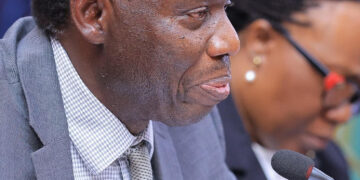













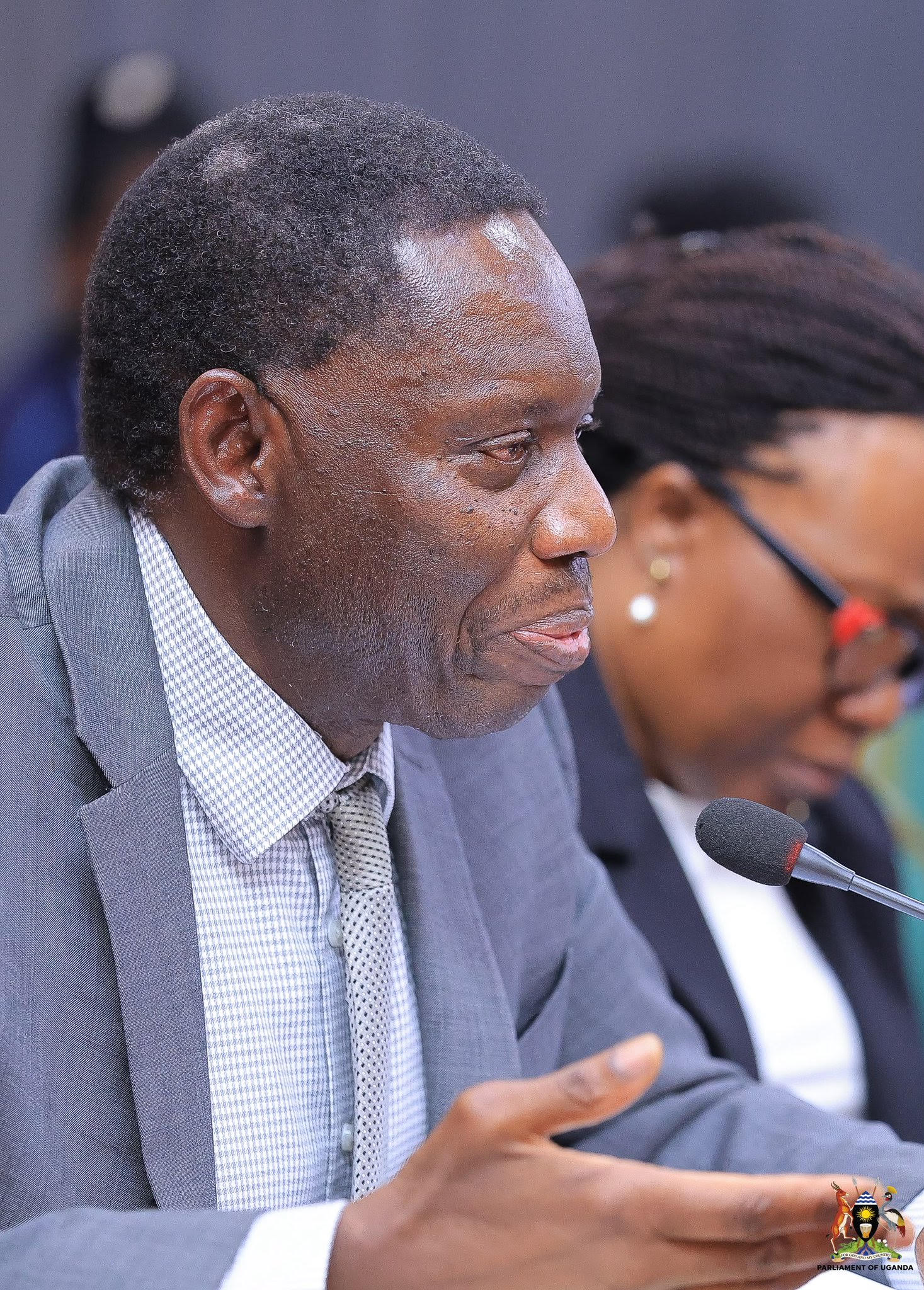
Bank of Uganda Governor Dr Michael Atingi-Ego has warned against relying on the central bank to defend the Uganda Shilling against depreciation, saying sustainable exchange rate stability can only be achieved through increased exports, tourism earnings and domestic production.
Atingi-Ego said the central bank could only intervene in the foreign exchange market to moderate sharp fluctuations in the short term, cautioning that prolonged intervention would deplete the country’s foreign exchange reserves without addressing the underlying causes of depreciation.

He made the remarks while appearing before Parliament’s Committee on Commissions, Statutory Authorities and State Enterprises (COSASE), where he explained the factors contributing to the pressure on the Shilling and the Bank of Uganda’s response.
The Governor attributed the depreciation partly to a deterioration in Uganda’s current account balance, which has widened the gap between the supply of and demand for foreign currency.
He cited the Ebola outbreak, which prompted some countries to issue travel advisories against Uganda, affecting tourist arrivals and reducing foreign exchange earnings from the tourism sector.
Although he did not provide exact figures, Atingi-Ego estimated that tourist arrivals declined by more than 30 per cent, significantly affecting the country’s tourism receipts.
He also pointed to tensions in the Middle East and disruptions around the Strait of Hormuz, which have affected shipping routes and increased the cost of transporting and insuring imported goods, particularly petroleum products.
According to Atingi-Ego, importers consequently require more dollars to purchase the same quantities of goods, adding pressure to demand for foreign currency.
The Governor said the situation had been compounded by rising government debt servicing obligations, which have further widened the imbalance in the country’s external accounts.
He explained that when foreign exchange inflows decline while demand for imports remains high, the resulting imbalance is eventually reflected in the exchange rate.
Atingi-Ego said the central bank had two options: use its foreign exchange reserves to bridge the shortfall in the market or allow the Shilling to adjust until demand and supply of dollars reach a new equilibrium.
He said the Bank of Uganda opted to allow the currency to adjust in order to protect its reserves, which stood at approximately US$6.7 billion at the time, noting that the funds were necessary to meet the country’s essential financial obligations.
He disclosed that the government requires about US$1.55 billion annually to service its debt, in addition to between US$450 million and US$500 million for government imports.
This puts the government’s annual foreign exchange requirements for debt servicing and imports at approximately US$2 billion, much of which is facilitated through the central bank.
The Governor also attributed part of the pressure on the Shilling to developments in the United States, where Federal Reserve interest rate decisions have made dollar-denominated investments more attractive to international investors.
He said some foreign investors holding Uganda government securities had begun selling their Shilling-denominated investments and converting the proceeds into dollars, further increasing demand for the American currency.
Responding to the explanation, COSASE Chairperson Muwada Nkunyingi urged the Bank of Uganda to use all available means within its mandate to stabilise the Shilling and address the prevailing exchange rate pressures.







 English
