














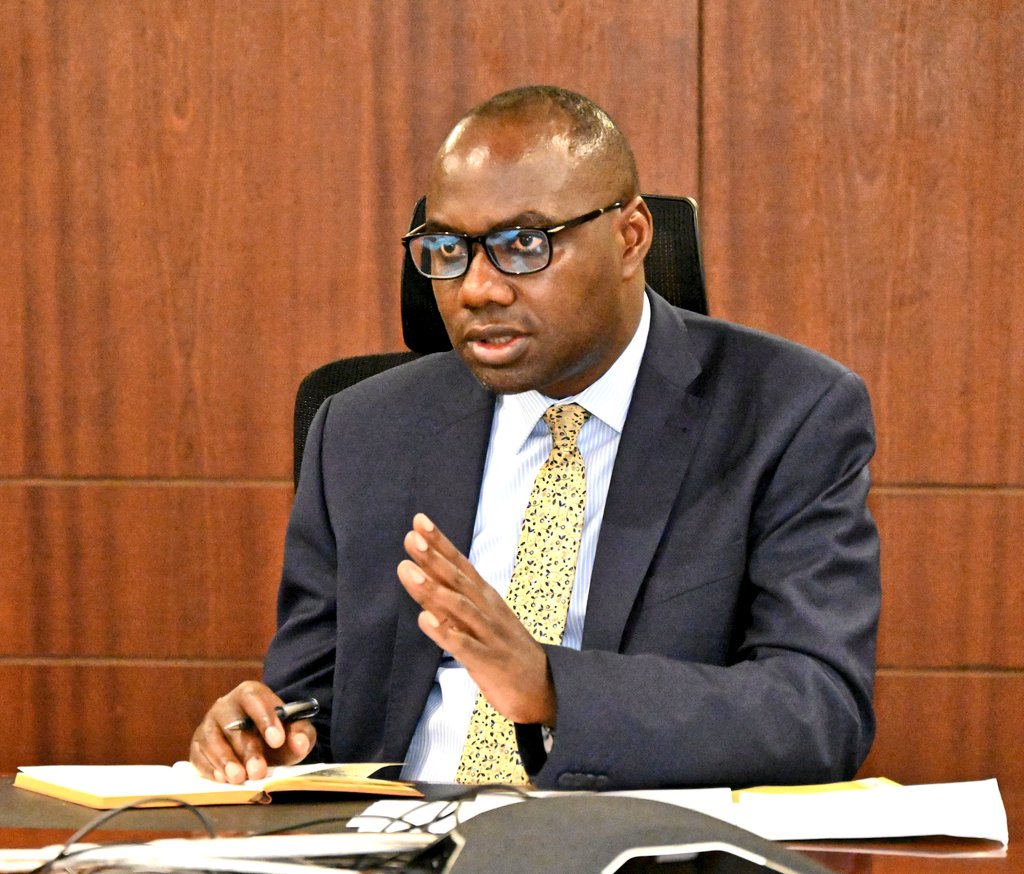
The Ministry of Finance, Planning and Economic Development risks facing contempt of Parliament proceedings after failing to respond to repeated summonses from the Committee on Physical Infrastructure over the controversial Intelligent Transport Monitoring System (ITMS), commonly known as the digital number plates project.
The committee, chaired by Mbarara City South MP Mwine Mpaka, resolved on Thursday to seek guidance from Speaker of Parliament Jacob Marksons Oboth-Oboth on how to proceed after the ministry reportedly ignored five invitations to appear before the legislators.


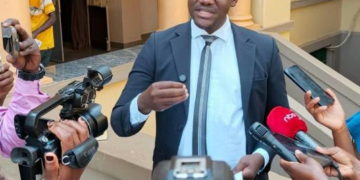
Speaking to journalists after a closed-door committee meeting, Mpaka said members had decided to refer the matter to the Speaker, expressing concern that the ministry’s continued absence was frustrating efforts to establish accountability for a project with significant financial implications for the government and motorists.
The standoff threatens to complicate Parliament’s examination of the procurement, financing and implementation of the digital number plates programme, which has attracted criticism over its cost, effectiveness and contractual arrangements with a private contractor.
The committee is seeking answers on the decisions that informed the adoption of the system, whether it offers value for money and whether alternative technologies could deliver comparable results at a lower cost. Legislators are also examining the potential financial burden the project could impose on motorists and the wider public.
The ministry’s failure to appear has added to concerns about cooperation between government agencies and parliamentary oversight bodies, particularly in investigations involving public funds and government contracts.
The latest dispute also comes amid previous disagreements between the Finance Ministry and parliamentary committees over compliance with requests to account for its conduct.
Recently, Finance Minister Henry Musasizi was forced to apologise to the Committee on Commissions, Statutory Authorities and State Enterprises (COSASE) after members criticised the ministry’s handling of its engagements with the committee and raised the possibility of moving a censure motion.
That incident highlighted legislators’ growing frustration with what they view as a lack of respect for parliamentary oversight. Members have maintained that public officials have a responsibility to respond to committee invitations and provide information necessary for scrutiny of government decisions and expenditure.
The ITMS inquiry has also drawn attention from local vehicle-tracking companies, some of which have proposed alternative technologies that they argue could achieve similar objectives. Their submissions have strengthened calls for the government to explain why the existing system was selected and whether other options were adequately considered before the contract was awarded.
At the centre of the investigation is the need to establish whether the project’s technical capabilities and financial arrangements justify the costs involved, as well as whether the interests of government and motorists were sufficiently protected.
Parliamentary committees play a key role in examining government programmes, scrutinising public expenditure and questioning officials responsible for implementing policies and contracts. When summoned officials fail to attend, investigations can be delayed and efforts to establish responsibility for public decisions undermined.
However, the committee’s decision to consult the Speaker does not amount to a formal finding of contempt. Any subsequent action will depend on the guidance received and the applicable parliamentary procedures.
The Finance Ministry had not publicly explained its absence from Thursday’s meeting at the time of publication. Its response to the committee’s concerns was not immediately available.






 English