


















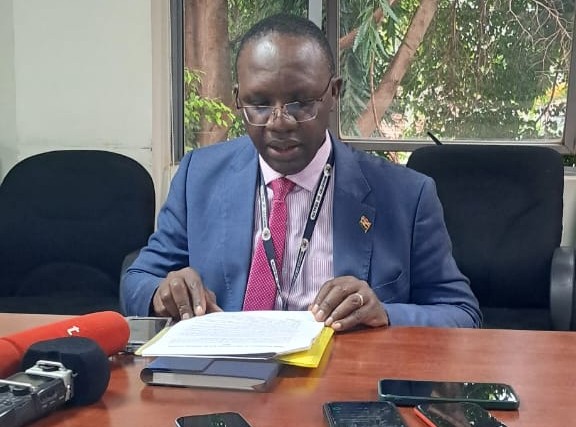
KAMPALA: The Ministry of Health has raised concern over the growing burden of non-communicable diseases (NCDs), warning that illnesses such as hypertension, diabetes, cancer and heart disease now account for 35 percent of all deaths in Uganda.
The warning was issued ahead of the National Day of Physical Activity, which will be held on August 7 in Gulu City, as the ministry called on Ugandans to adopt healthier lifestyles to reduce the rising prevalence of preventable diseases.


Speaking during a press briefing, the Director of Public Health, Dr. Daniel Kyabayinze, said every Ugandan has a 22 percent chance of dying prematurely from one of the country’s five major non-communicable diseases if preventive measures are not taken.
He cited findings from the latest Uganda National Non-Communicable Diseases Risk Factors (STEPS) Survey, which paints a worrying picture of the country’s health trends.
According to the survey, 23.4 percent of Ugandan adults are living with high blood pressure, but nearly 70 percent of them are unaware they have the condition. The survey also found that 3 percent of adults have diabetes, 19 percent are overweight and almost 10 percent are obese.
Dr. Kyabayinze attributed the growing burden of NCDs to unhealthy lifestyles, noting that poor diets, physical inactivity, tobacco use and excessive alcohol consumption remain major risk factors.
He revealed that 88 percent of Ugandans do not eat enough fruits and vegetables, while Uganda ranks fifth globally in alcohol consumption. The survey further found that 8 percent of the population either smokes or chews tobacco, with tobacco use particularly common among young people.
The ministry also highlighted gaps in preventive healthcare services. Only 23 percent of women aged between 30 and 49 years have ever undergone cervical cancer screening, despite the disease remaining one of the leading causes of cancer deaths among women.
Mental health was also identified as a growing public health concern, with an estimated five million Ugandans living with depression and 22.8 percent of the population experiencing anxiety disorders.
Dr. Kyabayinze said regular physical activity remains one of the most effective and affordable ways to prevent non-communicable diseases. He encouraged Ugandans to engage in at least 30 minutes of moderate to vigorous physical activity every day, saying it helps reduce the risk of chronic illnesses, improves mental wellbeing, controls body weight and lowers healthcare costs.
He also urged the public to eat more fruits and vegetables, reduce salt and sugar intake, avoid tobacco products, limit alcohol consumption and seek routine medical check-ups for early detection and treatment of diseases.
The Commissioner for Non-Communicable Diseases, Dr. Charles Olaro Akiya, said physical inactivity is affecting both rural and urban populations, although it is more prevalent in urban areas where sedentary lifestyles and dependence on motorized transport have become increasingly common.
He encouraged Ugandans to incorporate exercise into their daily routines through simple activities such as walking, cycling, gardening and household chores. He noted that adults should aim for at least 150 minutes of physical activity every week in line with global health recommendations.
The Ministry of Health said this year’s National Day of Physical Activity will be commemorated in Gulu City, marking the first time the annual event is being held outside Kampala. Activities will include aerobics, a five-kilometre walk, a 10-kilometre run, cycling and other sporting events aimed at promoting healthy living and reducing the country’s growing burden of non-communicable diseases.










 English