















By Robert Nsubuga
A new agricultural initiative targeting 7,000 livestock farmers has been launched in the Greater Masaka region with the aim of improving dairy production, promoting modern farming practices, and increasing household incomes.
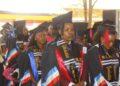
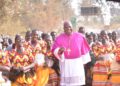
The programme is being implemented by Maddo Dairies Limited, the development arm of the Catholic Diocese of Masaka, in partnership with Heifer International and the Agricultural Business Initiative (ABI).
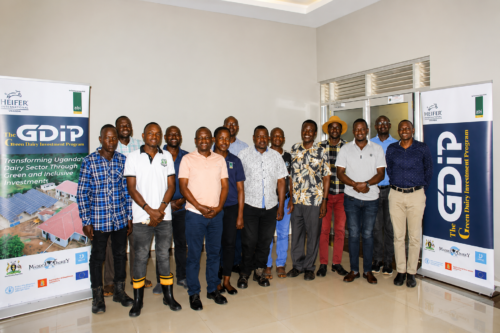
It was officially unveiled during a training workshop for agricultural extension workers and veterinary officers held at Hotel Brovad in Masaka City.
Speaking at the launch, the Executive Director of Maddo Dairies, Rev. Fr. Peter Ssenkayi, said the project is intended to equip farmers with practical knowledge and resources that will enable them to improve livestock management and agricultural productivity.
According to Fr. Ssenkayi, the initiative seeks to significantly increase milk production by promoting improved animal husbandry practices.
He noted that many farmers currently obtain only about two litres of milk per cow each day, but with better feeding, breeding, and management practices, production could rise substantially.
“The programme is open to all eligible farmers without discrimination. Our focus is on ensuring that livestock keepers acquire the skills and support they need to improve productivity and earn better incomes,” he said.
He explained that agricultural extension workers trained under the programme will return to their respective communities to provide farmers with technical guidance on livestock production, pasture management, crop farming, and other modern agricultural practices.
The initiative forms part of a broader effort by Heifer International and ABI to strengthen Uganda’s dairy sector by increasing milk production and encouraging climate-smart farming.
Under the partnership, three organisations—Maddo Dairies Limited, Jesa, and Pearl Uganda—are implementing activities in different regions, with Maddo Dairies overseeing support for farmers across Greater Masaka.
Project organisers said preliminary community assessments were conducted before the launch to identify and register farmers who stand to benefit from the programme.
Participants will receive continuous technical support, training, and selected farm inputs aimed at improving both livestock and crop production systems.
Beyond improving milk yields, the project also promotes sustainable farming practices. Farmers will receive guidance on pasture establishment, animal nutrition, disease management, and the installation of biogas systems for household energy.
They will also be encouraged to utilise bioslurry from biogas units as organic manure to improve coffee plantations and other crop gardens.
Fr. Ssenkayi challenged the trained extension workers and veterinary officers to ensure that the knowledge gained reaches farming communities and to document challenges affecting farmers so they can be addressed through the programme where possible.
Some of the participants expressed optimism that the initiative would help transform dairy farming in the region.
Dr. Emmanuel Kimuli, a veterinary officer in Masaka District, said the skills and equipment provided through the programme are expected to improve livestock management while enhancing farmers’ ability to negotiate better prices for their products.
Karisti Kayiza, an agricultural extension officer with Maddo Dairies in Kalungu District, said the project has the potential to accelerate the adoption of modern farming technologies, increase productivity, and improve the profitability of agriculture for rural households.
Agriculture remains the backbone of livelihoods for many families in Greater Masaka, and stakeholders hope that investments in farmer training, improved livestock management, and sustainable agricultural practices will contribute to increased dairy production and stronger rural economies.





 English