














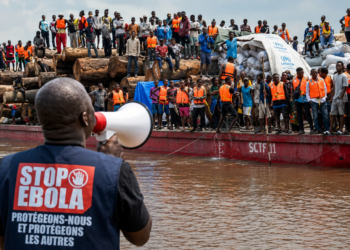
Uganda is in the final stages of establishing Ebola treatment units and a diagnostic laboratory in the eastern Democratic Republic of Congo (DRC) as part of regional efforts to contain the escalating outbreak that has already claimed more than 500 lives.
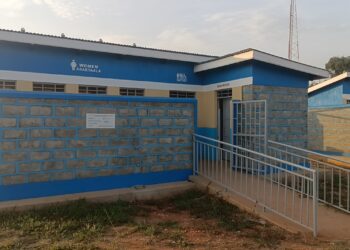
Health officials on Monday disclosed that the initial plan involved setting up two treatment centers in Aru Territory and Kasenyi in Ituri Province, one of the areas hardest hit by the outbreak linked to the Bundibugyo strain of the Ebola virus. Each facility was expected to be staffed by about 40 Ugandan health workers.

However, senior officials familiar with the emergency response said the plan has since been expanded. In addition to the treatment units, Uganda is now preparing to establish a laboratory in Rwampara, eastern DRC, before the end of the week.
According to a Ministry of Health official who requested anonymity because they are not authorized to speak publicly on the matter, a meeting held at State House on Monday resolved that four facilities instead of the initially planned three would be established to strengthen the cross-border response.
Earlier, Ministry of Health Permanent Secretary Dr Diana Atwine had told journalists that Uganda intended to deploy around 80 medical personnel to support the intervention in DRC, although funding constraints had delayed implementation.
It remains unclear how much money has been allocated for the expanded operation.
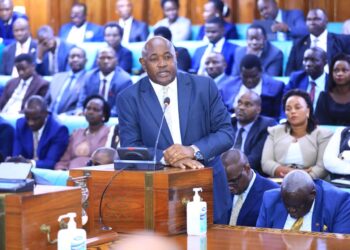
The Director-General of the World Health Organization, Tedros Adhanom Ghebreyesus, who is currently in Uganda to assess the country’s preparedness and strengthen regional coordination against the outbreak, said the WHO was supporting Uganda through training, supply of personal protective equipment (PPE), and other emergency medical materials.
He noted that more than 140 health workers had already undergone emergency response training to improve preparedness and rapid response capacity.
At the same time, the Africa Centres for Disease Control and Prevention (Africa CDC) announced that it is establishing a continental incident management support team in Uganda to coordinate the broader international response to the outbreak.
Dr Tolbert Geewleh Nyenswah, Director for Pandemic Prevention, Preparedness and Response at Africa CDC, said Uganda was selected to host the coordination mechanism because of its strong record in responding to infectious disease outbreaks.
He praised Uganda’s quick containment measures and experience in managing Ebola epidemics over the years.
By Monday, official figures from DRC indicated that at least 88 confirmed Ebola deaths had been registered in the latest outbreak.
Uganda has so far recorded one Ebola-related death involving a Congolese patient who crossed into the country seeking treatment.
The Ministry of Health says Uganda has confirmed 18 Ebola cases in total, but 14 of them were imported from DRC. Authorities maintain that no widespread community transmission has been detected inside Uganda since the outbreak was declared on May 15, 2026, apart from four health workers who were infected while treating the Congolese patient.
Officials from the WHO Africa Regional Office said Uganda’s decision to establish treatment and testing facilities inside DRC forms part of a wider regional strategy aimed at reducing cross-border movement of Ebola patients seeking medical care in Uganda.



 English