














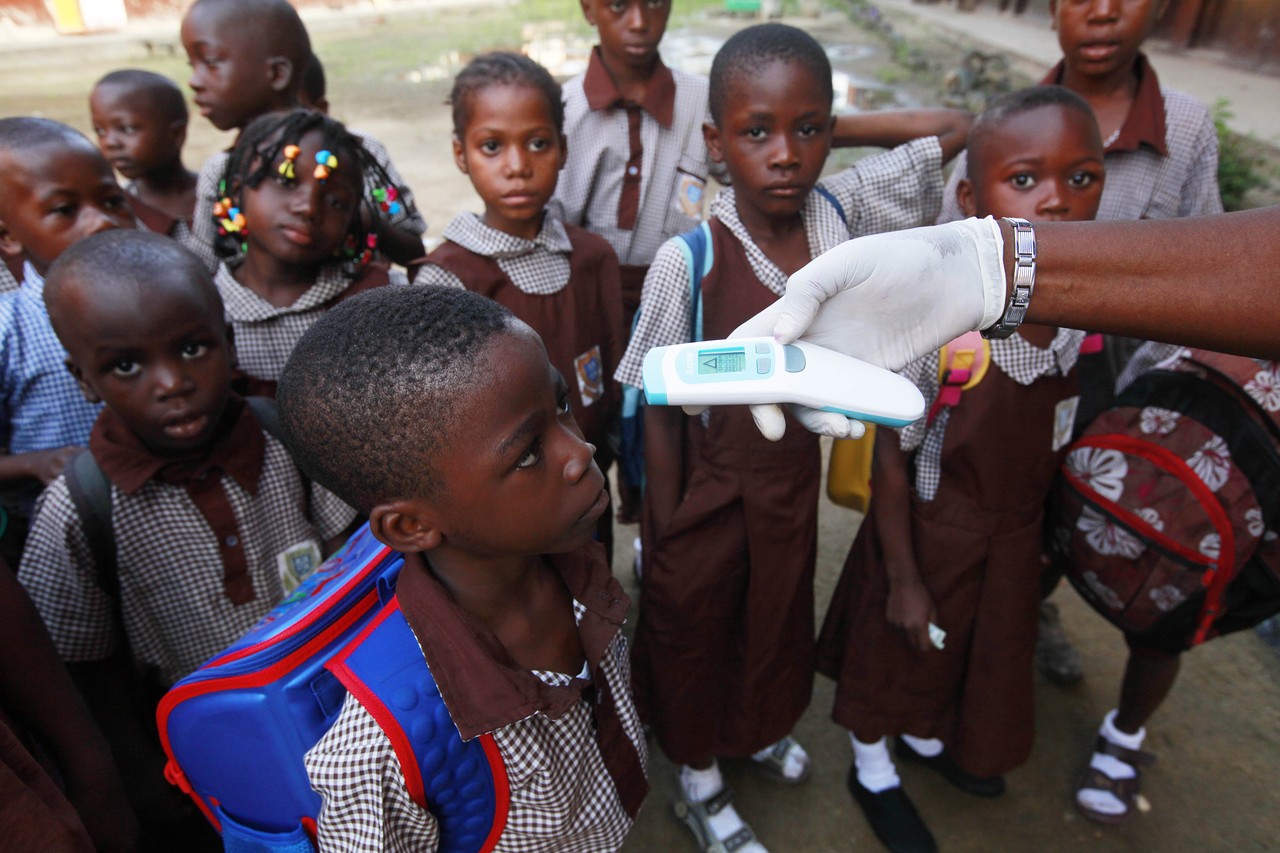
The Ministry of Health has introduced updated Standard Operating Procedures (SOPs) designed to strengthen Ebola prevention measures in schools as learning institutions prepare to reopen for the second term of 2026.
The new directives are aimed at safeguarding learners, teachers, and school staff amid ongoing public health concerns following reported Ebola cases in the country.
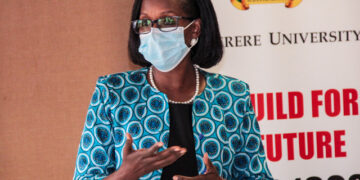
Speaking on the guidelines, the Ministry of Education spokesperson, Dr. Denis Mugimba, said all schools are now required to install functional handwashing stations with clean running water and soap at strategic points, including school gates, classrooms, dining halls, and dormitories.
He emphasized that hand hygiene must be strictly enforced for everyone entering school premises, including learners, staff, and visitors, with repeated washing encouraged throughout the day.
Schools have also been instructed to routinely clean and disinfect frequently touched surfaces and areas where learners gather in large numbers.
In addition, the guidelines require every institution to establish screening points at entry gates where temperatures will be checked. Any individual showing symptoms consistent with Ebola is to be denied entry.
The Ministry further advised schools to discourage physical contact such as handshakes and hugging, while also ensuring proper ventilation in classrooms and sleeping areas.
Large gatherings, including assemblies and non-essential school events, are to be minimized, and access by visitors must be strictly controlled.
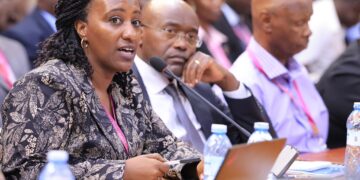
According to Dr. Ronnie Bahatungire, the Acting Commissioner for Clinical Services, the Ministry of Health has assigned clear roles to school administrators, teachers, and learners to ensure full compliance with the preventive measures. He added that school nurses will play a key role in monitoring health conditions within institutions.
In the event of a suspected Ebola case, school authorities are required to immediately isolate the individual and alert the nearest health facility or District Health Team. They are also instructed to notify the Ministry of Health through designated emergency hotlines and inform the affected learner’s parents or guardians without delay.
Officials noted that the measures are informed by lessons from previous Ebola outbreaks in Uganda, during which several schools recorded infections that led to temporary closures and disruptions to academic programs.
So far, Uganda has confirmed two Ebola cases, with one reported death attributed to complications from the disease.







 English