


















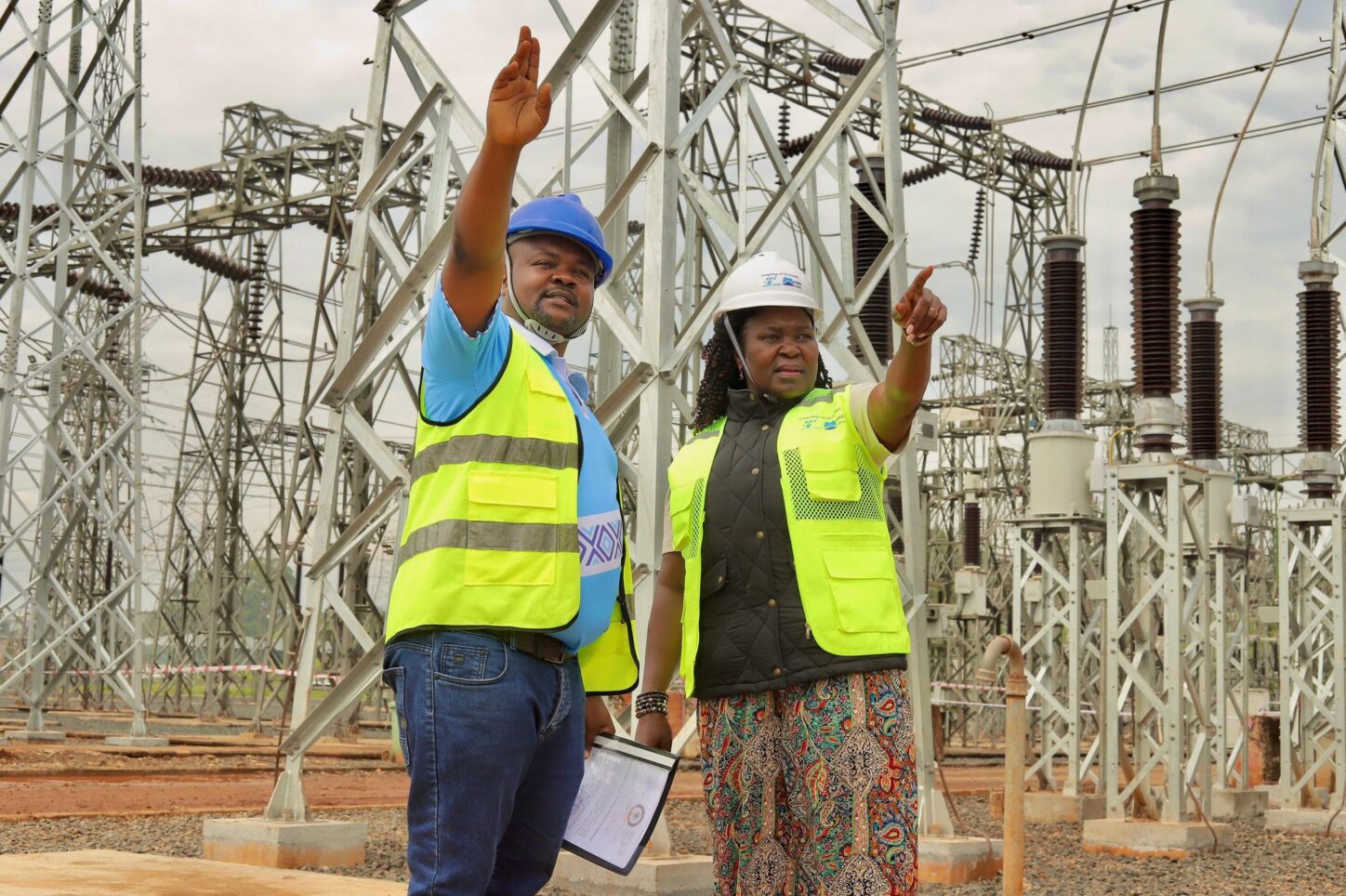
Uganda’s efforts to stabilise electricity supply within the Greater Kampala Metropolitan Area have received a major boost through a USD 137 million (about Shs512 billion) power transmission upgrade project being implemented by the Ministry of Energy and Mineral Development and the Uganda Electricity Transmission Company Limited (UETCL).
The Kampala Metropolitan Transmission System Improvement Project is expected to ease persistent blackouts, strengthen electricity distribution, and support growing industrial and urban demand in Kampala, Wakiso, Mukono, Mpigi, and nearby districts.


Officials from the Ministry of Energy, UETCL, Japanese development partners, and project contractors on Sunday carried out an inspection tour of key facilities under the programme, including substations in Namungoona, Mutundwe, and the recently commissioned Maya Substation in Mpigi District.
The project is being funded by the Government of Japan through the Japan International Cooperation Agency (JICA). Implementation is being undertaken by UETCL together with a joint venture of Toyota Tsusho Corporation and China Machinery Engineering Corporation.
During the inspection, UETCL’s Head of Projects Implementation, Engineer Daniel Kisira, said the initiative was introduced to tackle increasing electricity demand and long-standing transmission weaknesses affecting the Kampala me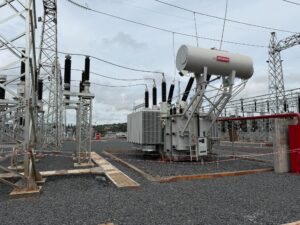 tropolitan network.
He explained that the works include upgrading major substations, strengthening the 132-kilovolt transmission network around Kampala, and introducing a mobile substation to improve emergency response and operational efficiency during power interruptions.
Kisira revealed that progress on Lot One of the project, covering the Bulooba, Mutundwe, and Bujagali substations, has reached 98.9 percent, while Lot Two, which includes Mukono, Namungoona, and transmission reinforcement works, currently stands at 83.7 percent completion.
He added that the Maya Substation was energised on April 19, 2026, a development expected to significantly improve electricity stability and reliability in Kampala and surrounding districts.
According to project engineers, the transmission upgrade is also critical in helping Uganda fully utilise electricity generated from the 600-megawatt Karuma Hydropower Plant by improving evacuation capacity from generation points to consumers.
Energy Minister Dr. Ruth Nankabirwa Ssentamu described the undertaking as a key infrastructure investment that supports Uganda’s industrialisation and long-term economic development agenda.
She said the government is prioritising investments in electricity infrastructure within the Greater Kampala Metropolitan Area because the region remains the country’s main economic and industrial centre.
Nankabirwa noted that improved transmission systems would help reduce power interruptions, stabilise voltage, and expand electricity capacity required for future industrial growth, investment, and job creation.
Representatives from Japan reaffirmed their country’s commitment to supporting Uganda’s infrastructure expansion and energy sector development.
Toyota Tsusho Corporation General Manager Hiroumi Ohara said advanced transmission technologies deployed under the project are expected to reduce system losses and improve the overall efficiency of power distribution.
Meanwhile, China Machinery Engineering Corporation Site Manager Quin Yuchi said implementation had faced several challenges, including heavy rainfall, transport delays, and disruptions in global supply chains. Despite the setbacks, she said contractors remain committed to delivering the project in line with international safety and quality standards.
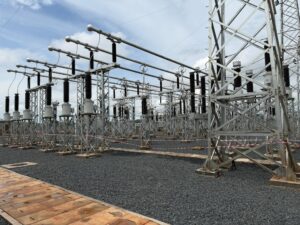
Uganda has in recent years increased electricity generation through large hydropower projects such as Karuma and Isimba. However, experts in the energy sector have repeatedly warned that inadequate transmission infrastructure continues to limit the country’s ability to distribute and fully utilise generated electricity.
Manufacturers, businesses, and residents in Kampala and fast-growing urban centres have frequently experienced unstable voltage, delayed power connections, and outages linked to pressure on the transmission network.
Under Uganda’s Electricity Act and National Energy Policy, UETCL is responsible for developing and maintaining high-voltage transmission infrastructure across the country to ensure reliable bulk electricity supply.
Project timelines indicate that Lot One is expected to be completed by June 2026, while Lot Two is scheduled for completion by February 2027.












 English