
















KAMPALA – At least 150 local government officials have been flagged over alleged mismanagement, corruption and misuse of public resources, with 40 already facing prosecution before the Anti-Corruption Court.
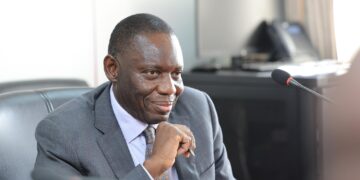
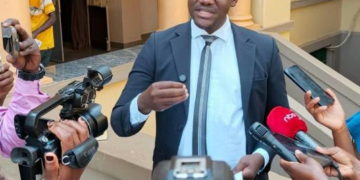
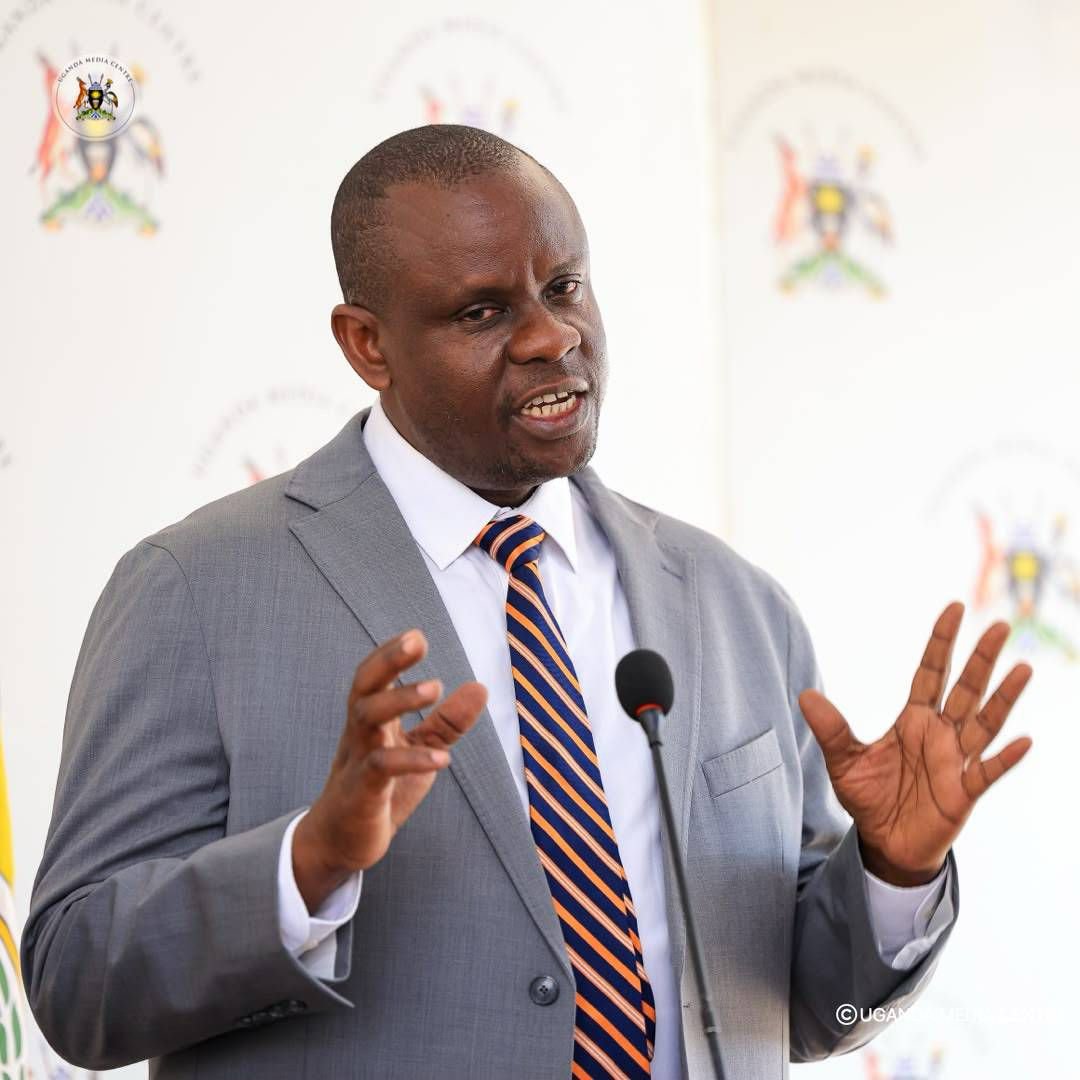
The Minister of Local Government, Balaam Barugahara Ateenyi, disclosed the figures while appearing before Parliament’s Public Accounts Committee (Local Governments), chaired by Mukono Municipality MP Betty Nambooze.


Barugahara said nine additional case files are ready for submission to court, while 24 files are still being completed and 30 others remain under investigation.
He said the figures do not include cases from West Nile and Budaka.
According to the Minister, the cases were uncovered during field inspections in various local governments, where officials found alleged misuse of public funds, poorly executed projects and failures in supervision.
Among the cases cited was a Shs73 million pit latrine project in Mulambuli, which Barugahara said was commissioned despite lacking a proper pit.
He also cited a road project where laboratory tests allegedly found no suitable murram material, despite funds having already been spent on the works.
Barugahara described some of the cases as evidence of syndicated corruption, in which several officials within local government structures allegedly fail to exercise their oversight responsibilities.
“We should show these people that we know what you are doing, and it shall come for you,” Barugahara told the committee, warning that the government would take a tougher stance against officials involved in corruption and mismanagement.
He further disclosed that investigations into financial irregularities had so far identified activities worth about Shs9.32 billion, with another Shs10 billion linked to a separate district.
He said a forensic audit is being conducted to establish the actual amount involved through physical verification of roads and other government projects.
PDM Funds Under Scrutiny
The committee also raised concerns over alleged corruption and mismanagement in the implementation of the Parish Development Model (PDM), citing findings contained in the Auditor General’s reports.
The audit identified cases in which some beneficiaries allegedly received PDM funds more than once, while others failed to procure the required assets.
The committee also cited cases involving non-existent projects and the diversion of PDM funds to activities that were not eligible for financing under the programme.
Nambooze said the scale of local government operations makes it impossible for the Minister to personally supervise every district, placing greater responsibility on the Ministry’s technical leadership.
She urged the Ministry to ensure that officials implicated in corruption are thoroughly investigated and, where evidence supports the allegations, prosecuted.
Nambooze warned against relying solely on interdictions, saying officials can eventually return to their positions if investigations are not concluded.
She also questioned why reports from District Public Accounts Committees do not consistently reach Parliament, saying this limits lawmakers’ ability to obtain a comprehensive picture of accountability failures in local governments.
MPs Asked To Strengthen Oversight
Minister of State for Local Government Justine Nameere called on MPs to strengthen oversight of government projects in their constituencies by regularly visiting project sites and demanding accountability from implementers.
Nameere pointed to differences in the quality and cost of government-funded construction projects as evidence of weak supervision.
She cited a three-storey structure in Namagunga that she said was constructed at a cost of about Shs900 million, contrasting it with another project where only a slab and a few pillars had been completed despite substantial expenditure.
She said closer monitoring by elected leaders could help expose poor workmanship, inflated costs and other forms of mismanagement before public funds are lost.
Nameere also raised concerns over alleged corruption within District Service Commissions, saying some job seekers have reportedly been asked to pay money in exchange for government employment.
She said some families have sold property in an attempt to secure jobs for their children, only to lose their money without the promised employment.
Calls For Institutional Reform
Permanent Secretary in the Ministry of Local Government Ben Kumumanya said accountability failures should not be attributed to a single individual because several institutions and officials have legally mandated responsibilities.
He said the Ministry needs to review the existing accountability system, restructure ineffective structures and strengthen institutions responsible for inspection, auditing and oversight.
“The time for restructuring, the time for policy reform, the time for reform is now,” Kumumanya said.
The committee also questioned the independence of District Public Accounts Committees.
Vice Chairperson Abed Nasser Mudiobole argued that allowing district councils to appoint committees that later scrutinise the councils’ performance creates a potential conflict of interest.
He proposed amendments to the Local Government Act to strengthen the independence of the committees, including a proposal for the losing political side in LC5 elections to nominate members.
Staffing Gaps Hamper Oversight
The committee further raised concerns over understaffing, particularly in critical positions such as internal auditors and engineers.
Nambooze said some local governments have critically low staffing levels. She cited Mukono Municipality, where she said only about five percent of the required civil servants are in place and one engineer serves the municipality and its two divisions.
The Ministry, however, said staffing levels across local governments have improved from 60 percent in June 2022 to 70 percent by June 2026.
Staffing at the Ministry’s headquarters currently stands at 91 percent, according to officials.
The Ministry said it will continue recruiting for critical positions, strengthen inspections, improve follow-up on audit and parliamentary recommendations, enhance records management and intensify risk-based supervision.
Barugahara also called for stronger coordination between central government ministries and local governments, particularly for projects contracted by central government agencies but implemented in districts.
He said local government engineers should be involved in supervising such projects to ensure value for money and prevent central government agencies from shifting responsibility to districts when projects fail.
Barugahara said the government would continue working with Parliament and other oversight institutions to address corruption, recover misappropriated public resources and improve service delivery.
The committee, meanwhile, urged the Ministry to ensure investigations are concluded and officials found culpable are prosecuted, stressing that accountability should go beyond interdictions to include prosecution and recovery of public funds.










 English