















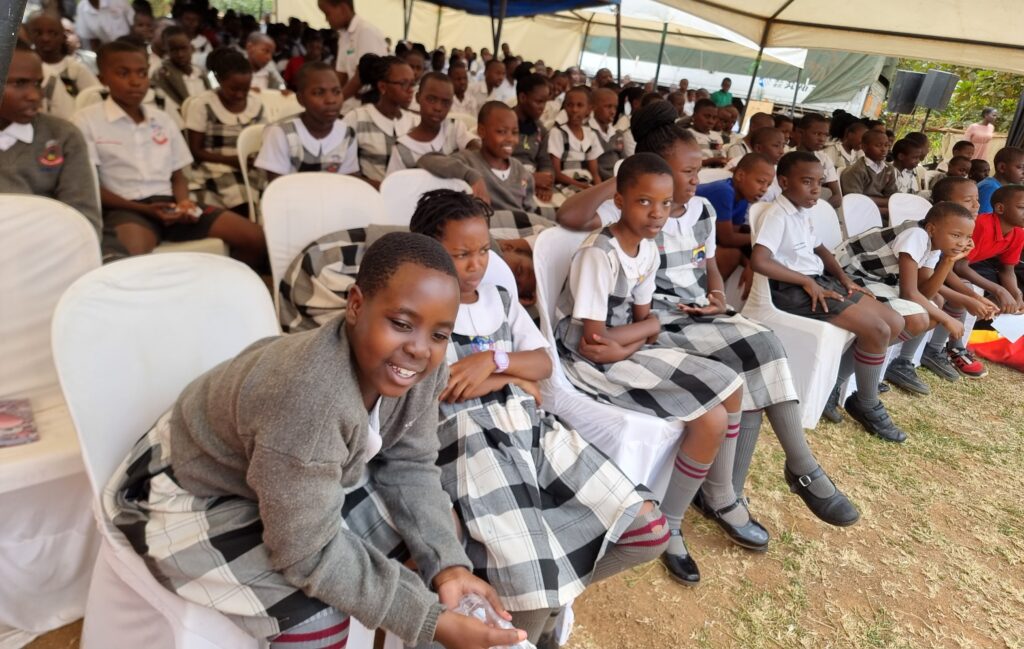
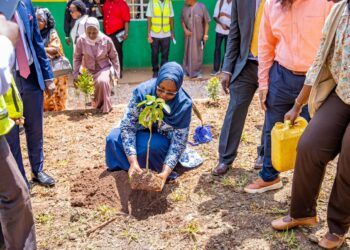
The grounds of Mukono Community Centre came alive with youthful energy, creativity, and purpose as more than 1,000 students from over 30 schools gathered for a transformative environmental awareness campaign.
The campaign is aimed at tackling climate change, promoting clean energy, and improving community sanitation.


The event, organized by Mukono Municipal Council in partnership with the Greater Kampala Urban Development Programme, marked the grand finale of a three-week campaign designed to strengthen climate change resilience through education, innovation, and active participation.
Over 300 student submissions were received, including poetry, skits, essays, science projects, and artwork.
Each entry reflected the students’ concerns and solutions around climate change, gender equality, sanitation, and sustainable development.
“This is our climax. We are not only rewarding the best performers from this competition but also showcasing real solutions to challenges like inefficient cooking methods that affect both our health and the environment,” said George Masengere, Senior Environmental Officer at Mukono Municipality.
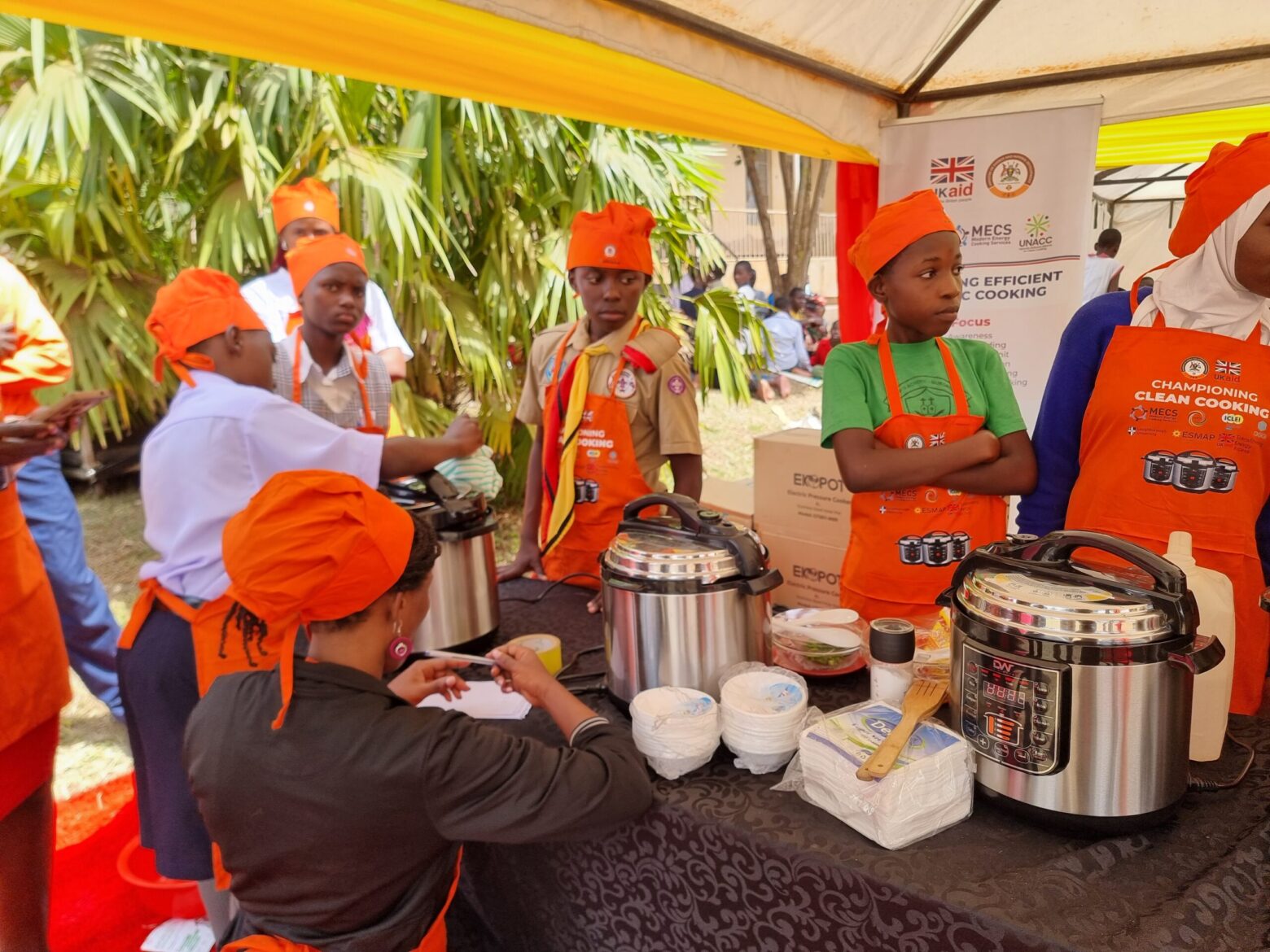
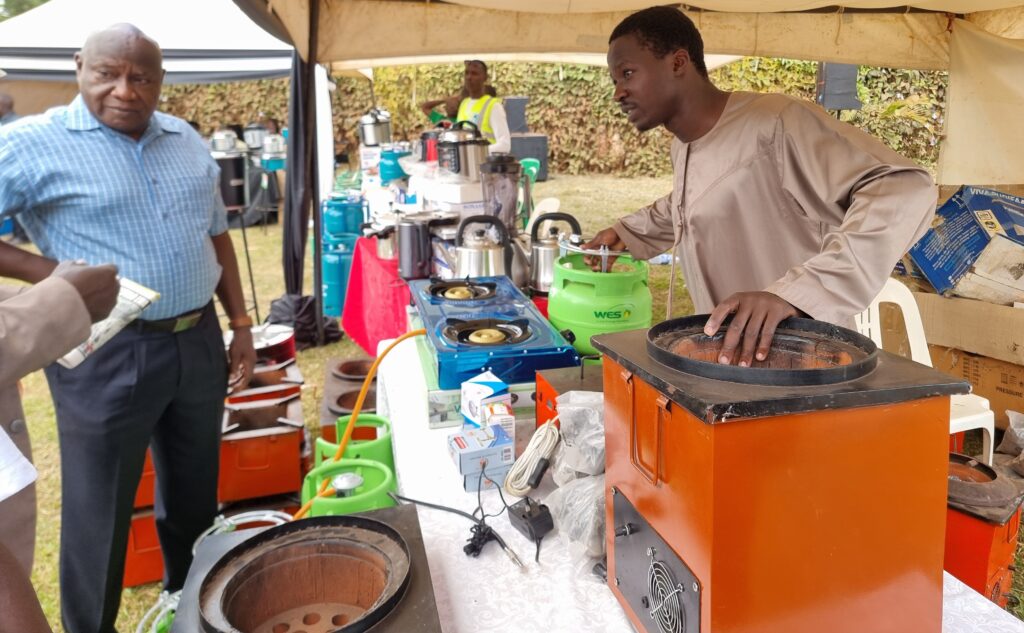
The campaign went beyond awards by offering practical demonstrations of clean cooking technologies.
Exhibitors showcased alternatives to traditional charcoal and firewood, including pressure cookers and electric stoves. These technologies promise to reduce both household expenses and environmental impact.
“It takes 25 minutes instead of an hour to cook a kilo of meat with a pressure cooker,” Masengere explained. “And where you would spend 5,000 shillings on charcoal, you only need about 1,000 shillings when using electricity. The savings are significant in terms of money, time, and health.”
Students were given the chance to engage in live cooking demonstrations, where they directly compared the time and fuel consumption of traditional methods versus energy-efficient options.
The Campaign proved that young people are not only affected by climate change but are also crucial players in the fight against it.
“We have the writing skills, the presentation skills, and the will to make a difference,” said Nankabirwa. “We just needed the opportunity, and now we have it.”
Among the many powerful voices was Benitah Nankabirwa Kyagulanyi, a Senior Four student from Paul Mukasa Senior Secondary School. She challenged the common belief that charcoal is cheaper than other energy sources.
“People keep saying charcoal is cheaper than electricity or gas, but that is not true. Today I have learned that charcoal is more expensive, not only in terms of money but also in terms of health,” she said.
“We must advocate for clean energy. If we all do this, Uganda will develop, and our lives will improve.”
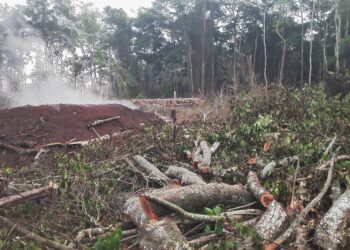
Other schools such as Ngandu Primary School used poems and skits to highlight issues like swamp reclamation, prolonged droughts, and deforestation.
Ronald Mwebe, the deputy headteacher, said the campaign had taken learning beyond the classroom.
“Previously, our pupils’ efforts stayed within the school. But today, they are reaching their families and the wider community,” Mwebe said. “We believe this will change attitudes toward harmful environmental practices.”
The campaign’s best entries will represent Mukono at the upcoming national competition hosted by the Ministry of Energy in Munyonyo.





 English