















The Uganda Law Society (ULS), founded in 1956 and now marking seven decades of existence, has unveiled a sweeping new initiative aimed at strengthening the protection of advocates facing growing threats in the course of their work.
The move comes amid rising concern within the legal fraternity over reported cases of abduction, detention, intimidation, and interference with lawyers handling sensitive matters.

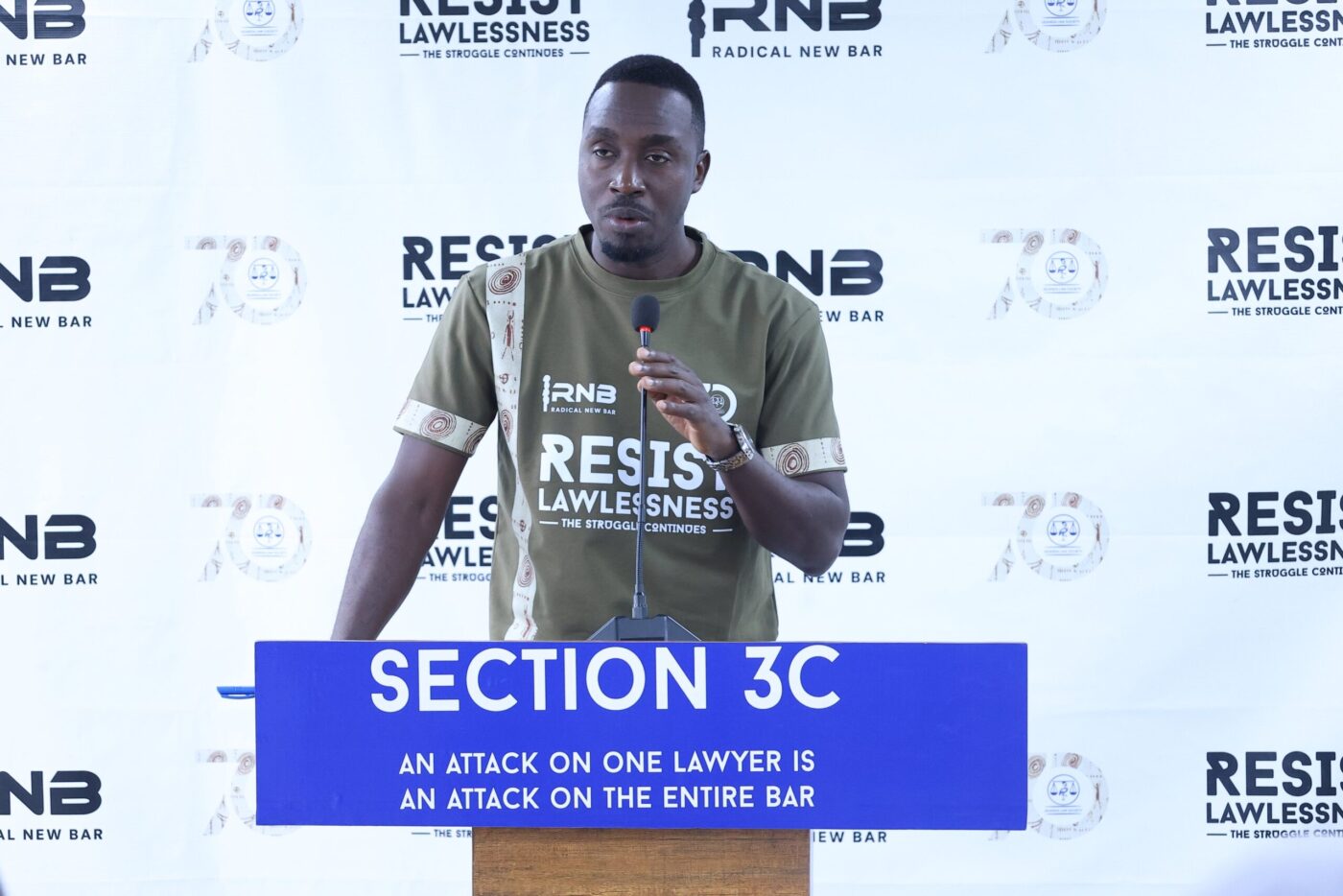
At the heart of the initiative is a newly established Section 3(c) Committee, created under the mandate of the ULS Act, which requires the Society to protect and support members of the legal profession in relation to their conditions of practice.
The Governing Council, led by ULS President Isaac K. Ssemakadde, SC, described the decision as a necessary response to what it termed increasing “militarization” of justice processes and the erosion of professional independence.
The Society noted that recent incidents involving alleged detention and mistreatment of advocates, alongside restrictions on access to clients and court processes, have raised alarm about the safety of legal practitioners.
It warned that such developments risk undermining constitutional guarantees, access to justice, and the broader rule of law.
To address these concerns, the Executive Order establishing the committee sets out a wide-ranging definition of “threats” facing advocates.
These include physical harm, harassment, surveillance, digital intrusion, financial restrictions, and what the Society describes as the “weaponisation” of laws such as anti-terrorism and anti-money laundering legislation against lawyers and their clients.
The Section 3(c) Committee is tasked with providing rapid response mechanisms for advocates in distress, including emergency legal assistance, court interventions such as habeas corpus applications, and a 24-hour support system.
It will also maintain a confidential incident database to track patterns of interference and publish periodic reports highlighting emerging risks to legal practice.
A key component of the initiative is the International Solidarity Programme, designed to link Ugandan lawyers with regional and global bar associations and human rights networks.
The programme will coordinate emergency relocation, professional exchanges, and international advocacy efforts, particularly in cases where advocates face imminent danger or restrictions on their practice.
According to the order, the programme will also facilitate engagement with international bodies such as legal rights organisations and United Nations mechanisms, while mobilising support for lawyers facing financial or legal restrictions linked to their work. It further provides for anonymised reporting of cases to global human rights platforms.
The inaugural committee has been composed of 14 members drawn from diverse legal backgrounds, including criminal defence, human rights, and digital security. It is chaired by Lillian A. Drabo, with Steven Kalali serving as vice chairperson and Amina Acola appointed as coordinator of the international solidarity programme.
The ULS says the establishment of the committee and its global outreach arm marks a turning point in how the legal profession responds to what it views as modern threats to advocacy.
The initiative, it adds, is intended not only to protect individual lawyers but also to safeguard the independence of the bar and reinforce public confidence in the justice system.
The Executive Order takes immediate effect upon signature and replaces any previous administrative directives inconsistent with its provisions.











 English