

















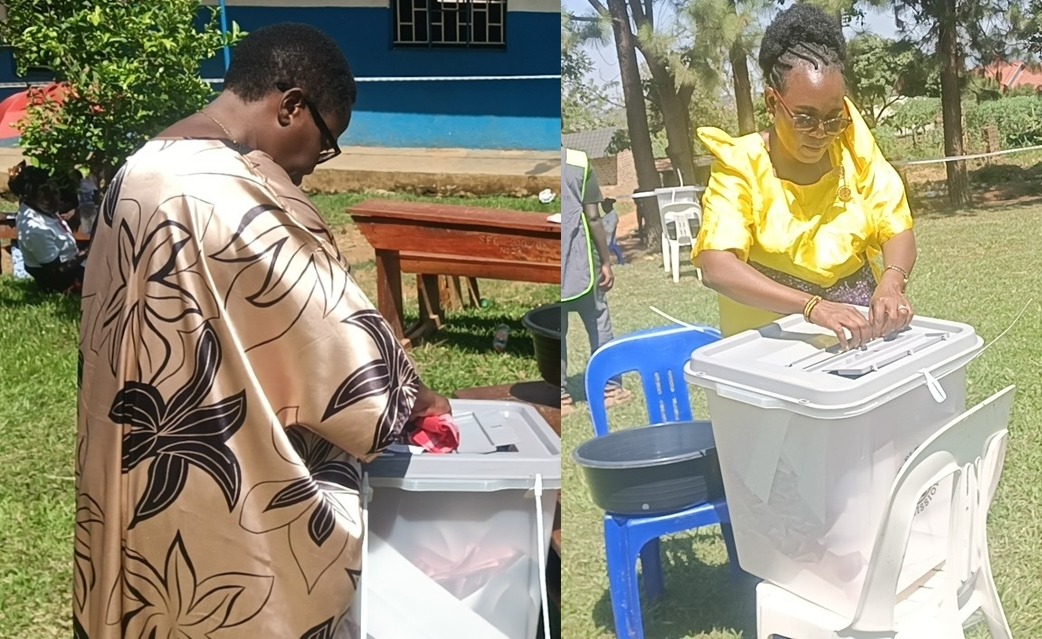
Betty Nambooze Bakireke’s hold on the Mukono Municipality seat is under fresh scrutiny after the High Court issued a formal notice requiring her to respond to an election petition challenging her victory.
The legal battle is unfolding after Dr Daisy Sarah Nabatanzi Ssonko formally filed an election petition challenging the victory of her opponent, Nambooze.


According to a notice issued by the High Court, the petition, filed under Election Petition No. 004 of 2026, names both Nambooze and the Electoral Commission as respondents.
The court has directed the respondents to file their defense within ten days upon receiving the petition. Failure to do so may result in the case proceeding in their absence.
The petition, lodged on April 2, 2026, signals what Ssonko’s camp describes as a determined effort to “defend the will of the people” in Mukono.
While full details of the petition are yet to be publicly disclosed, sources close to the petitioner indicate that the case raises serious concerns about the conduct of the election, including allegations of bribery, violence, and lack of transparency.
Betty Nambooze scored (NUP) 27070, Rev Peter Mukasa Bakaluba (Ind) 4225, George Fred Kagimu (DP) 5005, John Kulubya Sserwano (Ind) 43, Allan Mawanda (PF) 286, Dunstan Mbogo (FDC) 123, Daisy Ssonko (NRM) 6683, Hanifah Nabukeera Hussein (Ind) 4911, Sarah Nakintu (PFF) 112, Herbart Omonding (Ind) 30, and Andrew Ssenyonga (Indip) 1690 votes.
Ssonko, a rising political figure in Mukono, is said to be confident that the court process will bring clarity and justice. Her supporters argue that the petition is not merely about overturning results but about restoring public trust in Uganda’s electoral systems.
Legal analysts note that election petitions in Uganda often hinge on whether proven irregularities substantially affected the final outcome. If Ssonko successfully demonstrates this, the court could order the nullification of the election and call for a fresh poll.
The involvement of the Electoral Commission once again places the spotlight on the body’s role in ensuring free and fair elections, a matter that has repeatedly drawn public scrutiny in previous electoral cycles.
Political observers say the Mukono petition could become a significant test case, especially as courts increasingly play a central role in resolving electoral disputes.
For Ssonko, the petition represents both a legal challenge and a political statement, positioning her as a candidate willing to pursue accountability through institutional channels.
As the legal process unfolds, attention now shifts to how the respondents will respond to the allegations within the stipulated time frame.
The outcome of this petition is expected to have far reaching implications not only for Mukono’s political landscape but also for broader electoral credibility in Uganda.









 English