















The ruling National Resistance Movement is expected to announce its official candidate for Speaker of Parliament following a crucial meeting of the party’s top leadership later this week, as competition for the influential parliamentary position continues to stir political debate within government circles.
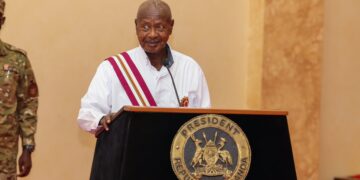
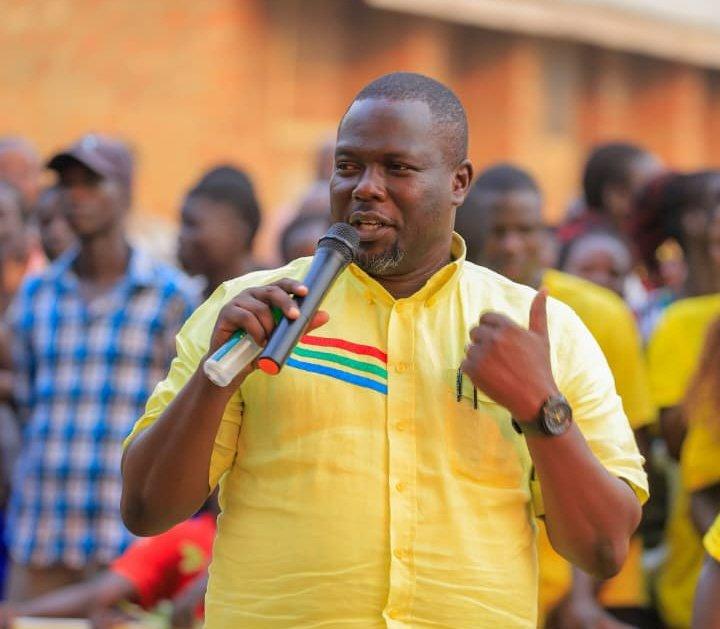
Speaking during the swearing-in ceremony of newly elected Gulu City Mayor Julius Acire Labeja, the party’s Secretary General, Richard Todwong confirmed that the decision would be reached during a sitting of the Central Executive Committee (CEC) scheduled for Friday under the chairmanship of President Yoweri Kaguta Museveni.


Todwong said the party leadership would communicate its final position after the meeting, declining to disclose the names currently being considered for the Speaker and Deputy Speaker positions.
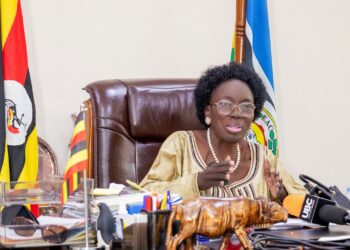
The race for Parliament’s top seat has become increasingly unpredictable following the withdrawal of former Speaker Anita Annet Among from the contest earlier this week. Her exit came amid reports of ongoing investigations by security agencies into alleged illicit accumulation of wealth, inquiries said to have been sanctioned by the President.
Before the latest developments, the NRM’s Central Executive Committee had reportedly backed Among and current Deputy Speaker Thomas Tayebwa to retain the Speaker and Deputy Speaker offices unopposed. However, fresh alliances within the ruling establishment have since reshaped the contest.
The situation escalated after the Patriotic League of Uganda, a political pressure group linked to Chief of Defence Forces Muhoozi Kainerugaba, endorsed Defence Minister Jacob Oboth-Oboth for the Speakership.
Gen. Muhoozi later publicly expressed support for Tayebwa to continue serving as Deputy Speaker, a move political observers interpreted as a sign of renewed political coordination within influential factions of the ruling party.
Behind the scenes, the contest has reportedly generated unease among several NRM leaders, many of whom have avoided publicly discussing the matter as internal consultations intensify ahead of the parliamentary vote scheduled for May 25.
Some party officials privately acknowledge growing concern over the increasing influence of informal political networks in shaping key leadership decisions. One senior party member from northern Uganda, speaking anonymously, suggested that traditional internal party processes were increasingly being overshadowed by emerging power centres allied to influential figures within government.
Political analyst Arthur Owor said the ongoing struggle reflects broader changes in Uganda’s political environment, where internal competition within dominant political groups now carries greater significance than the usual rivalry between government and opposition.
According to Owor, the Speaker race demonstrates how political bargaining is increasingly occurring outside formal structures, with informal negotiations and strategic alliances becoming more decisive in determining outcomes.
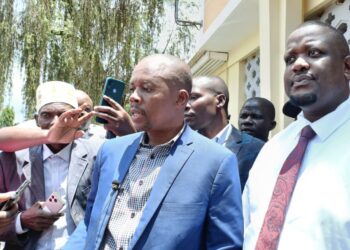
Meanwhile, Norbert Mao, who also serves as Member of Parliament for Laroo-Pece Division, has maintained his bid for the Speakership despite the growing internal contest within the ruling establishment.
The coming CEC meeting is now expected to provide clearer direction on who the NRM will rally behind as the race for control of the 12th Parliament gathers momentum.





 English