













The Greater Mukono Emyooga Forum has launched a sweeping public accountability campaign aimed at restoring confidence in the government’s wealth creation initiative, following growing concerns from residents who say the programme has fallen short of expectations.
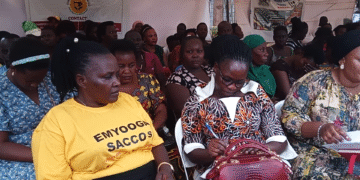
Speaking during an engagement with Emyooga beneficiaries and SACCO leaders in Mukono Municipality, Stephen Okhutu, Chairperson of the Greater Mukono Emyooga Forum, said the exercise is intended to validate the status of the programme, expose misuse, retrain beneficiaries, and re-align the project with President Yoweri Museveni’s original vision for wealth and job creation.

Okhutu said the campaign was prompted by widespread claims that Emyooga had failed, despite official records showing steady progress in the greater Mukono region.
“We wanted to showcase what Emyooga is, what it has done, and the changes it has created. We are validating the circles—do they still exist? On paper, the programme is doing well, but we need to confirm what is happening on the ground,” he noted.
He said the Forum is also retraining beneficiaries to help them manage funds more effectively and ensure sustainable growth.
“Emyooga is a presidential initiative on wealth and job creation. We want people to understand what the president has done for them so they can make informed decisions going forward,” Okhutu added.
The accountability exercise has, however, exposed glaring financial mismanagement within the municipality.
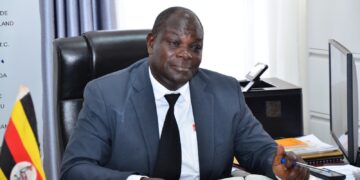
Mukono Municipality Town Clerk Francis Byabagabi revealed that investigations had already uncovered cases of beneficiaries who disappeared with funds, groups created solely to access money fraudulently, and SACCO leaders who illegally kept funds meant for members.
“These funds are not political. They are meant to uplift people from poverty. Wrongdoers will not be tolerated because they tarnish the government’s image,” Byabagabi said, warning that arrests of defaulters are imminent.
He noted that over Shs 1 billion was injected into Emyooga groups within the municipality, but almost a portion remains unaccounted for.
During the meeting, several leaders and beneficiaries accused some SACCO officials of hoarding funds and failing to distribute them fairly.
Betty Asobola, chairperson of the Maternity Zone, and Harriet Nagayi said hardworking community members, such as caterers and salon operators, had been sidelined.
“Mobilization should continue, and funds should go to people who truly deserve them,” Asobola appealed.
Despite the concerns, some beneficiaries testified to tangible economic improvement.
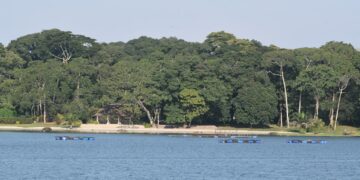
Fisherman Fred Gwebayaga credited the Shs 1 million he received for enabling him to purchase a new boat and modern fishing nets after his earlier equipment was confiscated. He now owns two boats.
However, he criticized heightened lake patrols by security agencies, saying they were affecting livelihoods—especially during the election period.
Okhutu blamed some local leaders for undermining Emyooga and the Parish Development Model (PDM) by diverting funds and giving beneficiaries misleading information such as claims that the money was “a presidential gift to eat”.
He said the accountability program aims to identify leaders who privatized SACCO funds and ensure they are held responsible.
Representatives from the Micro Support Center, including Daphine Muhumuza, applauded beneficiaries who used their funds productively and urged continued commitment.
Other leaders, such as Dr. Daisy Sarah Sonko, called for increased government funding and tougher monitoring mechanisms to safeguard the initiative from fraudsters.
The public accountability drive is expected to continue across in Greater Mukono as the government works to revive trust in one of its most ambitious wealth creation programmes.






 English