


















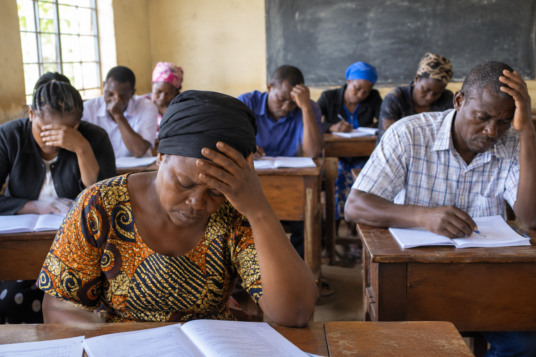
Thirteen adult learners at St Francis Adult School in Kawempe, Kampala, have been left facing an uncertain future after discovering that they had not been registered for the 2026 Uganda Certificate of Education (UCE) examinations.
The candidates reportedly expected to sit the examinations after arrangements were made for their registration through Makindye Parents Secondary School. However, their hopes were dashed when they reported to the examination centre on the opening day and discovered that their names were missing from the list of registered candidates.

The incident has raised concerns about the challenges adult learners face in returning to formal education and the need for institutions offering accelerated learning programmes to comply with examination registration requirements.
According to information obtained by this website, the Uganda National Examinations Board (UNEB) had been notified of the case about a week before the examinations began. However, the Board was unable to register the learners because they had not fulfilled the required eligibility conditions.
UNEB spokesperson Jennifer Kalule confirmed that police had arrested three school officials in connection with the incident.
Those arrested are the director and head teacher of St Francis Adult School and the head teacher of Makindye Parents Secondary School. They were taken into custody by police in Katwe to assist with investigations into the circumstances surrounding the failed registration.
“Police in Katwe have arrested the three to help with investigations into the matter,” Kalule said.
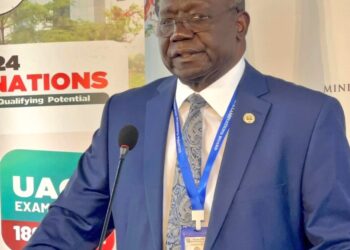
UNEB Executive Director Dan Odongo said the incident underscores the changes introduced under the current lower secondary school curriculum, which requires candidates to complete prescribed learning and assessment activities before they can qualify for national examinations and certification.
He explained that the previous education arrangement allowed mature-age learners to prepare for Senior Four examinations through accelerated programmes, sometimes completing their studies in two years or less and attending classes irregularly.
Under the current curriculum, however, candidates must demonstrate that they have completed the required coursework, undertaken continuous assessments and participated in supervised projects. These components contribute to the assessment records needed for examination eligibility and the eventual award of certificates.
“The current assessment regime requires that all candidates must have continuous assessment scores and supervised projects if they are to be assessed and awarded certificates,” Odongo said.
He added that registration for national examinations can no longer be treated as a standalone process divorced from the prescribed learning programme. Candidates must attend classes and complete the necessary academic activities so that their schools can submit the required assessment records.
Short courses that focus mainly on preparing learners to pass final examinations, without fulfilling the broader curriculum requirements, are therefore insufficient for registration under the current system.
Odongo also pointed to the closure of informal examination registration centres, which previously allowed candidates to register without necessarily following the full prescribed learning programme.
“Previously, we even had town halls where anyone could go and register for the examination, but under the guidance of the Ministry of Education and Sports, such centres have also been closed,” he said.
Despite the stricter requirements, Odongo said adult learners have not been barred from pursuing secondary education. Instead, they must enrol in recognised institutions that offer the prescribed curriculum and complete the required studies before sitting the examinations.
The case of the 13 learners highlights the difficulties faced by adults seeking to obtain formal academic qualifications later in life, particularly when they rely on institutions to guide them through enrolment, coursework and examination registration.
For learners who return to school after years away from the classroom, obtaining a UCE certificate can be an important step towards further education and improved employment prospects. Failure to meet registration requirements can leave them losing time and potentially incurring additional costs as they seek another opportunity to sit the examinations.
UNEB’s guidelines issued last year set out specific conditions for mature-age candidates seeking to sit the examinations. Applicants must be Ugandan citizens aged at least 20 and obtain written permission from the executive director before registration.
The guidelines also require candidates to attend classes daily throughout the prescribed two-year study period and provide authentic documents verifying their age.
UNEB has warned applicants against submitting forged birth certificates or national identity cards to meet the eligibility requirements, cautioning that anyone found using fraudulent documents risks disqualification and possible legal action.
The case involving the Kawempe learners is now under police investigation, while the affected candidates face uncertainty over when they will be able to meet the requirements and sit their examinations.









 English