


















The Government of Uganda is targeting at least 2,626 women-owned enterprises for non-repayable business expansion grants of up to Shs107.07 million under the Generating Growth Opportunities and Productivity for Women Enterprises (GROW) Project.
The grants are intended to support women entrepreneurs who failed to secure financing under the GROW loan programme because of financial constraints, banking requirements or credit limitations.


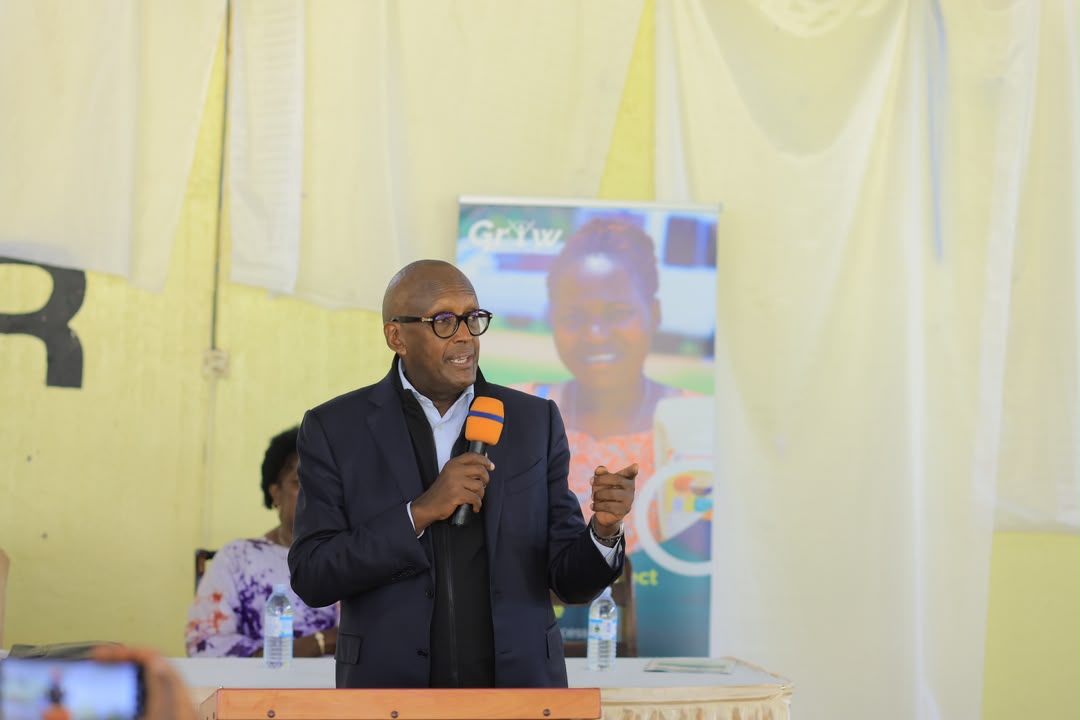
Speaking during an orientation meeting for local government leaders at Hotel Riverside in Rukungiri Municipality, 2026, Gender, Labour and Social Development Minister Lt. Gen. Henry Tumukunde said the new funding window would give eligible women another opportunity to grow their businesses without taking on additional debt.
The programme, implemented by the Ministry of Gender, Labour and Social Development with support from the World Bank, seeks to help women-owned businesses transition from small-scale survival activities into sustainable and competitive enterprises.
Tumukunde said the government had identified women entrepreneurs with viable businesses who were unable to benefit from the loan component, prompting the introduction of the Business Plan Competition Grants to widen access to financing.
Under the programme, grants will range from Shs3.5 million to Shs107.07 million, depending on the size and nature of the enterprise. At least 767 of the targeted businesses are expected to come from refugee-hosting districts.
Micro enterprises employing up to four people, with sales or assets of up to Shs10 million, will qualify for grants ranging from Shs3.5 million to Shs35.69 million. The money can be used for business expansion, formalisation, production equipment and working capital.
Small enterprises employing between five and 49 people, with assets valued between Shs10 million and Shs100 million, will be eligible for grants ranging from Shs39.259 million to Shs107.07 million. Higher funding levels will prioritise businesses with significant potential in male-dominated and non-traditional sectors.
The programme will favour innovative enterprises in science, technology, engineering and mathematics, as well as green businesses and climate-resilient ventures. Priority areas include solar energy, irrigation, waste management, commercial agricultural processing, health technology and childcare facilities for children aged below three years.
However, special provisions will broaden eligibility for women in refugee-hosting districts, persons with disabilities and vulnerable groups. These categories may include businesses involved in poultry and goat rearing, food processing, tailoring, childcare, mobile money services and catering.
Tumukunde said local government leaders had a critical role in identifying eligible applicants, explaining the requirements and ensuring that information reaches women in communities.
He also cautioned leaders against allowing fraudsters to exploit applicants, emphasising that the application process is entirely free. Applications will be submitted digitally through the official GROW website or the project’s mobile application available on Google Play Store.
Previous GROW loan beneficiaries will not be eligible for the grants, as the programme seeks to extend support to women who missed out on the earlier financing opportunity.
The government will organise business clinics across sub-regions to help applicants prepare business plans, budgets and supporting documents. Applicants will also undergo credit reference, financial sanctions and labour and human rights compliance checks.
Tumukunde urged local government officials to mobilise eligible women through community meetings, local radio stations and women’s networks while reporting cases of extortion or corruption to the relevant authorities.
All funded projects are expected to run for between nine and 12 months and must be completed by June 2027.












 English